


NOAA Fisheries is proposing changes to federal highly migratory species regulations that could give qualifying commercial fishermen in the U.S. Virgin Islands more flexibility in how they harvest tuna, sharks, and other species.
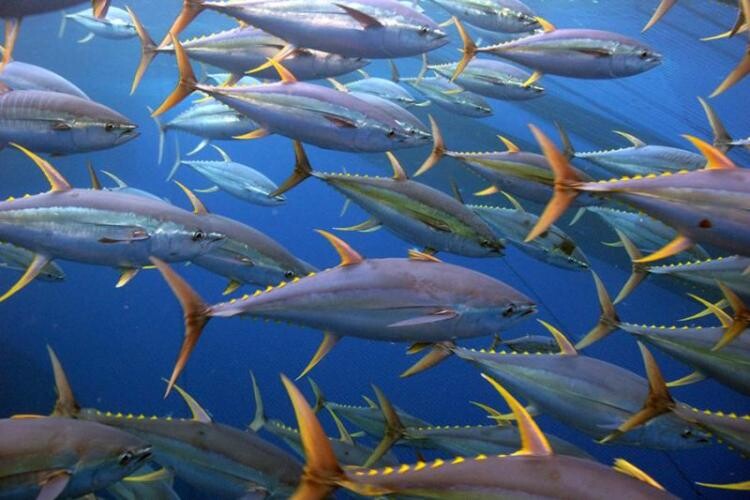
Under the agency’s preferred proposal, fishermen holding a Highly Migratory Species Commercial Caribbean Small Boat permit could use spearguns to commercially harvest and sell bigeye, albacore, yellowfin, and skipjack tuna, collectively known as BAYS tunas.
Commercial Caribbean Small Boat permit holders are already authorized to fish for and sell the four tuna species, along with swordfish and allowable shark species. The proposed rule would expand the gear fishermen could use to target BAYS tunas while maintaining existing size and retention limits.
Speargun use would not be extended to swordfish, sharks or bluefin tuna.
The proposal would also establish restrictions for commercial spearfishing. Fishermen would have to be physically in the water when firing a speargun and could freedive, use scuba gear or another underwater breathing device. Only free-swimming tuna could be targeted, meaning a fish could not first be restrained on a fishing line and then shot. Powerheads and other explosive devices would remain prohibited.
NOAA is also proposing to allow Commercial Caribbean Small Boat permit holders to retain allowable shark species caught on buoy gear. Existing restrictions on shark species, retention limits and commercial quotas would remain in place.
Federal regulators said affected shark quotas are currently underutilized and that allowing fishermen to retain those catches could create additional harvesting and revenue opportunities.
Another proposed change would allow fishermen to use electric or hydraulic power assistance to deploy and retrieve buoy gear.
Commercial Caribbean Small Boat permit holders may generally deploy up to 35 individual buoy gears, but current federal requirements call for the gear to be deployed and retrieved by hand. NOAA said interest in powered retrieval has increased as fishermen use deeper buoy-gear sets, particularly when targeting swordfish during daylight hours.
According to the agency’s economic analysis cited by the Virgin Islands Consortium, an electric reel could cost about $8,000, while a hydraulic setup could cost roughly $2,000. NOAA said powered equipment could reduce the physical demands of fishing while allowing crews to retrieve fish and redeploy gear more efficiently. The existing 35-buoy limit would remain unchanged.
The proposed rule would also clarify that vessels fishing for highly migratory species may carry and use small cast nets, dipnets and similar gear to collect bait, provided the equipment is not capable of catching highly migratory species.
NOAA Fisheries held the first public hearing on the proposal Aug. 31, with a second hearing scheduled for Oct. 1. Written comments will be accepted through Oct. 13.
The changes remain proposals and would not take effect unless NOAA completes the federal rulemaking process and adopts them in a final rule.