When a fishing boat needs to be repaired, every day out of the water counts. In Wrangell, Alaska, a recent bow-crushing grounding ended with the vessel hauled, repaired, relaunched, and back on the grounds in under three days. That kind of turnaround is the goal of the municipal Marine Service Center, which has completed more than 5,500 hauls since 2006, including 312 in fiscal year 2026, making it the largest vessel haul-out facility in Southeast Alaska.
In this Pacific Marine Expo Q&A, Port Director Steve Miller explains how the city-run yard and its independent local trades work side by side, why owners should ask about environmental best management practices before they arrive, and how the Inner Harbor Basin Replacement Project aims to add more 40-foot permanent stalls heading into 2027.
Please give a brief overview of Wrangell Ports and Harbors and the services it provides.
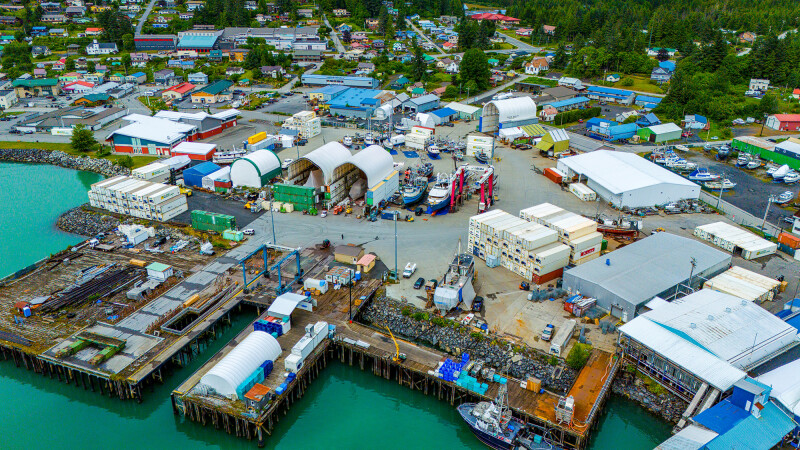
Wrangell Ports and Harbors is a municipal operation serving local, regional, and visiting vessels. We manage six harbor facilities with 615 permanent stalls, transient moorage, City Dock, and the Wrangell Marine Service Center. The Marine Service Center provides haul-out and launch services using a 150-ton Marine Travel Lift, a 300-ton ASCOM lift, and a 40-ton hydraulic trailer. We also provide blocking, work and storage space, and access to local independent marine trades and suppliers. Our role is to keep the facilities safe, dependable, and practical for working vessels while supporting commercial fishing, cargo, tourism, and other marine activity in Wrangell.
What is your to the regional commercial fishing fleet, and how does it work with and support the industry?
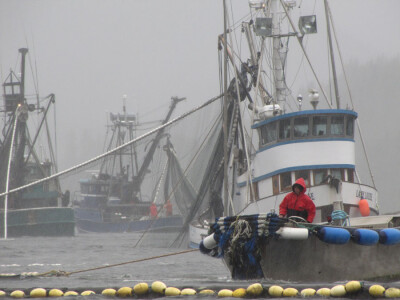
Commercial fishing is central to Wrangell's waterfront and to the work we do. We serve vessels from Wrangell and throughout Southeast Alaska, along with boats traveling between fishing grounds and home ports. We support the fleet with annual and transient moorage, scheduled and emergency haul-outs, blocking, storage, and workspace. Independent Wrangell businesses provide welding, mechanical, electrical, painting, fabrication, and other repair services. Vessel owners select and schedule their own contractors. Our staff works directly with captains to coordinate lift times, yard placement, and relaunch dates. Because fishing schedules are short and openings and weather can change quickly, our goal is to provide safe, responsive facility services that reduce downtime and help vessels return to work.
Please walk us through a specific problem you solved for a fishing customer recently.
A commercial fishing vessel recently struck a rock and sustained substantial damage to the bow. We responded with an emergency haul-out and safely blocked the vessel so the owner's selected repair vendors could begin work immediately. Wrangell's local marine vendors did an excellent job responding to the emergency. They repaired and welded the damaged bow while our crew provided the haul-out, yard space, blocking, and relaunch services. The vessel was repaired, relaunched, and back on the fishing grounds in under three days. This was a good example of how the municipal Marine Service Center and independent local businesses work side by side to minimize downtime for the commercial fleet.
What has changed for your customers in the past year or two, and how has that changed what you offer?
Vessel owners are watching costs and downtime more closely. Fuel, insurance, parts, freight, and repair costs have increased, while fishing income remains unpredictable. Many owners are keeping older vessels in service longer and trying to complete more work during shorter maintenance windows. That has increased the need for early planning, accurate lift scheduling, and yard arrangements that allow an owner's selected vendors to work efficiently. We have responded by coordinating more closely with owners before arrival, improving information about vessel specifications and work areas, and looking carefully at our equipment, staffing, and storage capacity. We are also planning for the eventual replacement of our older 150-ton lift, so the facility remains reliable for the fleet.
What is your company bringing to PME this year, and what are the company's goals for the expo?
Wrangell brings more than 100 years of vessel construction, manufacturing, repair, and waterfront experience to PME. At the Marine Service Center, we bring practical knowledge from hauling, blocking, launching, and supporting working vessels every day. Most importantly, we listen closely to commercial fishermen because they understand what a boatyard must do to keep vessels working and crews on schedule. Fishermen are the people who make Southeast Alaska's working waterfront important, and their needs guide how we operate and plan future improvements. At PME, our goal is to share what Wrangell can offer, learn directly from vessel owners and crews, strengthen relationships with equipment suppliers and marine businesses, and bring that information home to improve our facilities and services.
Why does PME matter to your business? Has anything come out of a past show, such as a deal, partnership, or project, that stuck with you?
PME matters because it brings vessel owners, shipyards, equipment manufacturers, suppliers, and regulators into the same place. For a remote Alaska facility, that face-to-face access is valuable. It helps us compare equipment, find technical contacts, understand what other yards are doing, and maintain relationships we may later rely on for parts or advice. The most useful results from past shows have been relationships rather than one headline deal. Conversations at PME have led to continued contact with vendors and marine businesses when we needed information about lift equipment, maintenance, and future facility needs. It also gives us a better understanding of what fishermen expect from a boatyard and where Wrangell can improve.
-Enhanced-SR.jpg.medium.800x800.jpg)
If a fisherman or vessel owner is shopping for what your company provides, what should they be asking that most people don't?
One question that is often overlooked is how the facility manages environmental compliance and Best Management Practices, or BMPs. Some owners assume that because a yard is in Alaska, there are few environmental rules. Nothing could be further from the truth. Marine service centers must follow requirements for stormwater, vessel washdown, waste handling, spill prevention, sanding, painting, and containment. Those requirements continue to change and become stricter. Vessel owners should ask which BMPs apply before arriving, what work may be performed in the yard, what containment is required, and how waste and liquids must be handled. Following the rules protects the water, keeps the yard in compliance, and helps ensure the facility remains available to the commercial fleet.
What’s next after the show? Anything in development heading into 2027?
Heading into 2027, one of our main priorities is the Inner Harbor Basin Replacement Project. The project will replace aging harbor infrastructure and improve how the available basin is used. We plan to include more permanent stalls in the 40-foot range, which is the vessel size with the greatest unmet moorage need in Southeast Alaska. Adding these stalls should give more vessel owners an opportunity to secure a permanent boat slip instead of relying on transient space or remaining on a long waiting list. The project will also modernize the floats, utilities, and related harbor systems. After PME, we will continue advancing the design, permitting, funding, and coordination needed to move the project toward construction.
Is there anything else you'd like to add, or that our readers should know?
Wrangell is the largest vessel haul-out facility in Southeast Alaska and is supported by skilled marine trades and independent vendors. Since the Marine Service Center's first haul in 2006, it has completed more than 5,500 hauls, including 312 in fiscal year 2026. Our attitude is simple: if we can haul it, someone in Wrangell can fix it. Wrangell is also accessible for owners and crews. Alaska Airlines provides two daily jet flights, one northbound and one southbound, making travel between home and the vessel easier. If an owner forgets a part or needs supplies quickly, Alaska Airlines air cargo provides another option. Larger parts, equipment, and regular freight can be shipped through Alaska Marine Lines and Samson Tug and Barge. Together, the Marine Service Center, local vendors, air service, and barge connections make Wrangell a practical location for vessel maintenance and repair.