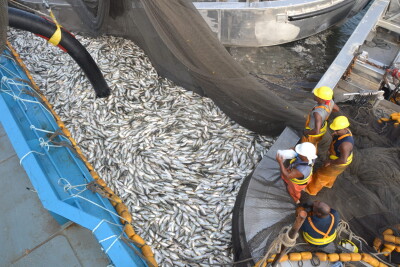
NOAA Fisheries is proposing to reopen approximately 408,000 square miles of the Pacific Islands Heritage Marine National Monument to commercial longline and purse seine fishing, advancing an effort to restore fishing access to waters closed to the industry for more than a decade.
According to Maui Now, the proposed rule would allow commercial fishing between 50 and 200 nautical miles of Johnston Atoll, Wake Island and Jarvis Island. The waters have been closed to commercial fishing since the monument's expansion in 2014, although fishing fleets briefly regained access in 2025.
The proposal advances a recommendation made by the Western Pacific Regional Fishery Management Council (WESPAC) in March, when the council voted to restore commercial fishing access in portions of four Pacific marine national monuments. Council members argued that reopening the waters would support domestic fishing fleets and island economies while maintaining federal fishing regulations, including catch limits, reporting requirements, and protected species safeguards.
"This is not about removing monument protections – it's about restoring sustainable fishing in limited areas under fishery regulations the Council has developed over decades," Council Executive Director Kitty Simonds said following the March vote.
The latest proposal also follows an April 2025 proclamation by President Donald Trump seeking to reopen the monument to commercial fishing. A federal court in Honolulu halted that access in August 2025.
The proposed rule opens a 30-day public comment period, with comments due Dec. 9 under docket NOAA-NMFS-2026-2410 on Regulations.gov.
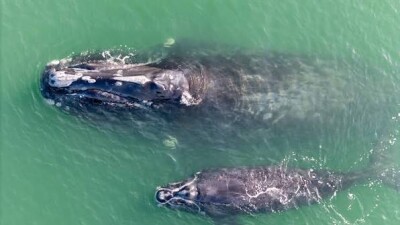
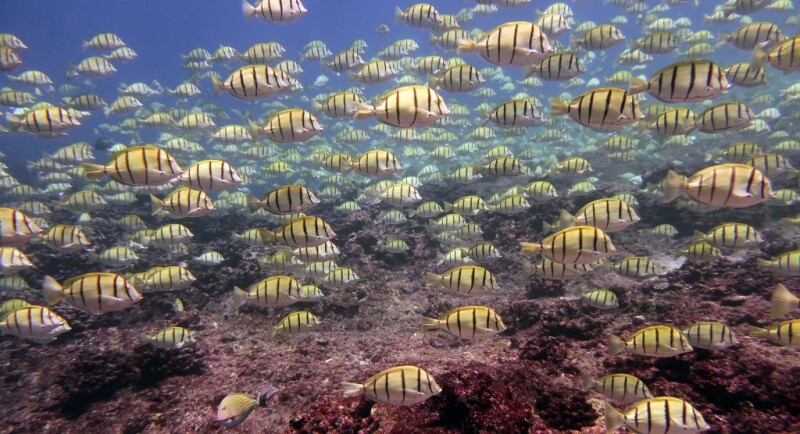
According to the Pacific Islands Heritage Coalition, which opposes the proposal, NOAA Fisheries characterized the anticipated effects on protected species and cultural resources as "negligible." The coalition disputes that assessment, citing potential impacts on sharks, sea turtles, marine mammals, and culturally significant marine habitats.
The coalition also questioned the economic benefits of reopening the area. It said NOAA Fisheries' analysis characterized the expected benefits to fishing operations as "likely minor," primarily through potential fuel savings and reduced costs for purse seine vessels operating outside foreign waters.
The coalition noted that Hawaii's longline fleet generated $109 million in 2025 and that fishing activity within the monument remained limited during the brief reopening that year.
Supporters of reopening the waters have pointed to economic pressures on Pacific Island fishing fleets, food security concerns, and the importance of maintaining domestic seafood production.
President George W. Bush established the monument in 2009, and President Barack Obama expanded it in 2014. The latest proposal would reverse commercial fishing restrictions across a substantial portion of the protected waters while leaving nearshore protections in place.
The public comment period will give fishermen, conservation groups, and other stakeholders an opportunity to weigh in before NOAA Fisheries considers a final rule.