




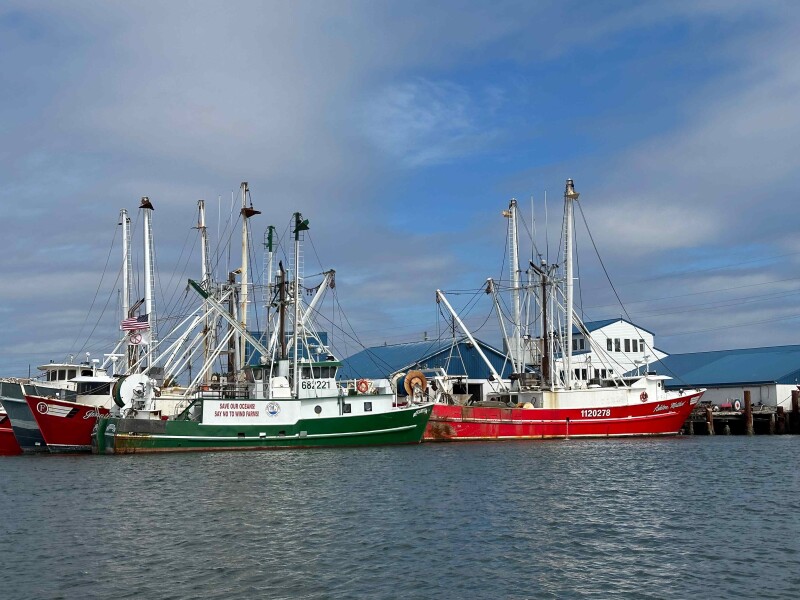
North Carolina fisheries managers will consider advancing new coastal habitat protections and setting the number of commercial fishing licenses available for the coming year at the Marine Fisheries Commission meeting on August 19-20 in Raleigh.
Commissioners are scheduled to vote on whether to release a proposed 2026 amendment to the state’s Coastal Habitat Protection Plan for public and advisory committee review. The action would not adopt the plan or create new fishing restrictions but could set the stage for a broader habitat rulemaking process beginning in 2027, according to the Island Free Press.
The draft amendment calls for further consideration of how fishing gear and other activities affect submerged aquatic vegetation, or underwater grass beds, as well as deep-water oyster recovery areas. Any regulations developed through that process would require additional commission approval and public review.
North Carolina’s coastal waters have historically supported nearly 200,000 acres of submerged aquatic vegetation, which provides spawning, nursery, and feeding habitat for commercial and recreationally important species. The draft says those grass beds are declining by more than 1 percent annually as water clarity, warming temperatures, and sea-level rise affect coastal waters.
The proposed habitat work would also overlap with upcoming reviews of the state’s shrimp and bay scallop fishery management plans. Marine Fisheries staff are recommending delaying the bay scallop review until 2027 so it can move forward alongside the shrimp review and habitat rule development.
If the amendment is released for review, the commission would consider comments from the public and advisory committees before the plan returns for possible final action in November.
Commercial license pool
Commissioners will also decide how many standard commercial fishing licenses to make available through the state’s eligibility pool for the 2026-27 license year.
North Carolina has a statutory cap of 8,896 licenses. After accounting for 5,004 standard and retired licenses issued or renewed during the previous license year and five previously approved applicants who remain eligible to purchase a license, 3,887 licenses could potentially be placed in the pool.
That does not mean all of those licenses will be offered. The commission has capped the eligibility pool at 500 licenses annually since the 2018-19 license year, and briefing materials do not include a staff recommendation for this year's total.
The commission is also expected to receive updates on several state fisheries, including sea mullet, southern flounder, red drum and blue crab. Marine Fisheries staff say there is no immediate concern about the sea mullet stock complex, although available data remain insufficient to determine whether it is overfished or experiencing overfishing.
The Aug. 19-20 meeting will be open to the public and livestreamed. Commissioners are expected to take up the habitat amendment, commercial license pool and other fisheries management issues during the two-day meeting.

.jpg.small.400x400.jpg)
