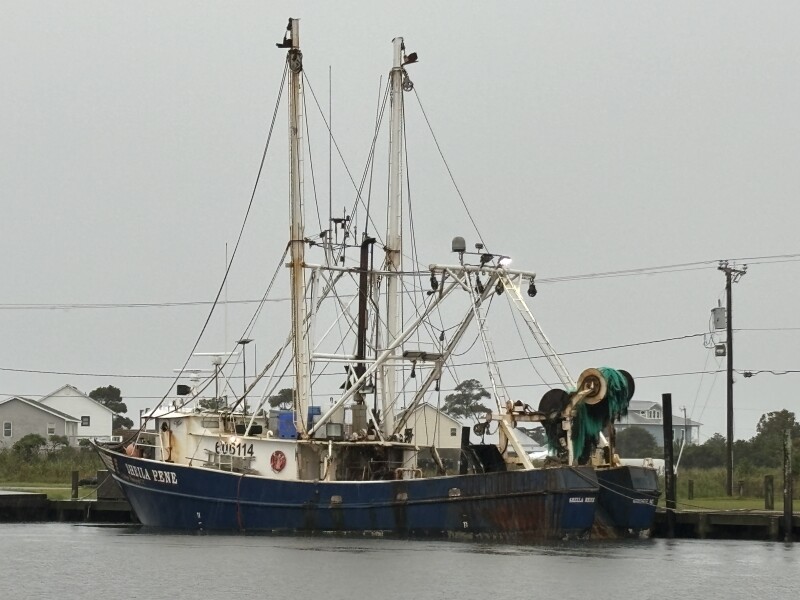
Louisiana shrimpers are calling on the federal government to restrict shrimp imports and increase support for domestic producers as low dockside prices continue to challenge the Gulf shrimp industry.
According to SeafoodSource, the Louisiana Shrimp Association has launched a petition asking President Donald Trump and his administration to consider quotas, tariff-rate quotas and other restrictions on imported shrimp while strengthening enforcement of U.S. trade laws.
“Our wild-caught shrimp industry is in crisis,” the association said in an Aug. 30 Facebook post. “American shrimp harvesters are struggling with unsustainable dockside prices while enormous volumes of imported shrimp continue to enter our country.”
The U.S. imported 795,641 metric tons of shrimp valued at $7 billion in 2025, a 2 percent increase from the previous year. Meanwhile, Gulf of Mexico shrimp landings have declined over the past decade, falling to 196 million pounds in 2023, the lowest level since 1970.
Prices have also fallen significantly. Gulf shrimp that brought roughly $6 per pound in the 1980s are now bringing around $2 per pound, according to the report.
The petition comes amid broader concerns about the Gulf shrimp fleet’s ability to compete with imports. A NOAA Fisheries report released in March found the fleet “cannot sustainably compete” with imported shrimp. Fishery revenue declined from $489 million in 2021 to $221 million in 2023.
Beyond import restrictions, the Louisiana Shrimp Association is asking the administration to strengthen enforcement against dumping, foreign subsidies, transshipment, mislabeling and origin fraud. The group is also calling for the restoration of Trade Adjustment Assistance for fishermen, expanded federal purchases of American wild-caught shrimp and stronger Buy American Seafood policies.
The association has set a goal of 10,000 signatures. More than 1,400 people had signed the petition as of Aug. 31.
The effort is the latest push by domestic shrimp producers seeking federal action against imports. Other proposals include the SHRIMP Act, which would direct the government to develop a country-of-origin test for shrimp, the Destruction of Hazardous Imports Act and the Save Our Shrimpers Act.
Not everyone in the seafood industry supports additional restrictions. In July, the National Retail Federation, National Fisheries Institute and other groups formed the U.S. Shrimp Coalition to oppose restrictions on imported shrimp.
National Fisheries Institute President and CEO Lisa Wallenda Picard said when the coalition launched that domestic and imported shrimp serve “complementary roles” in the U.S. market, arguing that imports provide year-round supply while supporting American processors, distributors, restaurants and retailers.