Commercial fishermen and the broader seafood industry would gain access to new federal lending opportunities and several seafood-specific programs under Farm Bill 2.0, with provisions addressing everything from vessel financing and domestic processing to country-of-origin labeling and shrimp imports.
The Agricultural Act of 2026 includes a series of provisions aimed specifically at commercial fishing, seafood processing, and aquaculture, according to the Senate Agriculture Committee's section-by-section summary of the legislation.
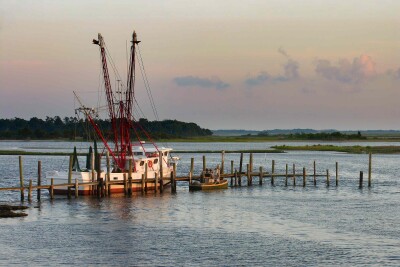
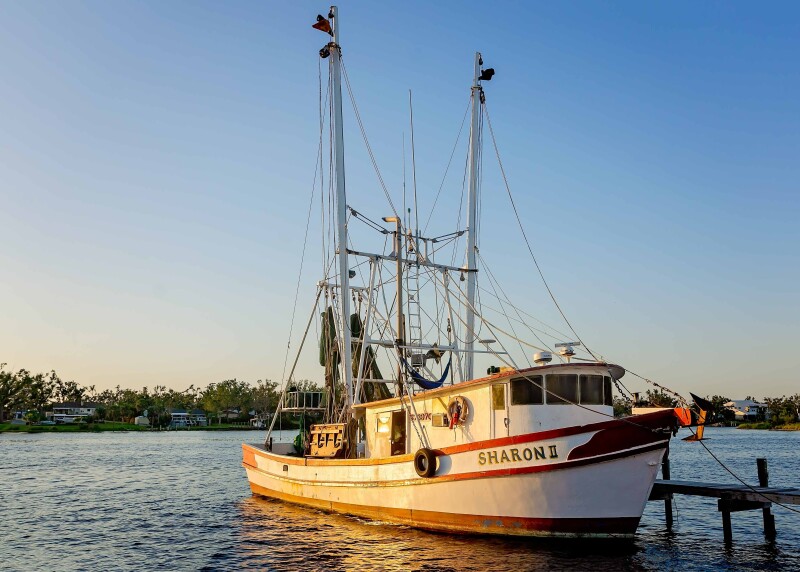
Among the most direct changes for working fishermen is a provision that would expand eligibility for farm operating loans to commercial fishing.
Section 5216 would make commercial fishing eligible for the loans for costs associated with “acquiring, operating, or maintaining a commercial fishing vessel.”
The bill would also expand financing opportunities for businesses that support the seafood industry. Under Section 5101, Farm Credit System institutions would be allowed to provide financing to businesses that provide services to producers or harvesters of aquatic products. The committee summary describes the change as putting those businesses on par with those that support terrestrial agriculture.
Seafood gets a larger role at USDA
Several of the bill's most fisheries-focused provisions appear near the end of the legislation and would increase USDA's involvement in domestic seafood.
Section 12605 would formally establish an Office of Seafood within USDA to improve coordination between the department and government and nongovernment entities involved in the domestic harvesting, processing, and consumption of wild and farmed seafood.
The bill would also direct USDA to examine one of the challenges facing the domestic seafood supply chain: processing capacity.
Section 12606 calls for the agriculture secretary, in consultation with the secretary of commerce and commissioner of the Food and Drug Administration, to conduct a study on ways to facilitate more domestic processing of U.S.-caught seafood in coastal communities.
Another provision would expand mandatory country-of-origin labeling for several seafood products.
Section 12604 would add cooked salmon, cooked whole and sectioned king and Tanner crab, and canned salmon to the definition of wild fish under the Country of Origin Labeling program, making those products subject to mandatory country-of-origin labeling.
Shrimp trade and domestic competitiveness
Farm Bill 2.0 also gives the domestic shrimp industry specific attention.
Section 3402 directs the Government Accountability Office to produce a report examining policy solutions that could promote the competitiveness of the domestic shrimp and seafood industry in both global and domestic markets.
That provision falls under the trade title of the legislation and is one of the clearest instances in the section-by-section summary in which the bill specifically addresses the competitive position of U.S. seafood.
Aquaculture research
Farm Bill 2.0 would also add aquaculture to USDA's high-priority research and extension initiatives.
Under Section 7208, aquaculture would be included among a slate of new research priorities, while the legislation would reauthorize appropriations for the broader high-priority research and extension program.
Taken together, the fishing and seafood provisions spread across the bill's credit, trade, research and miscellaneous titles would give commercial fishing and seafood businesses a larger place within programs traditionally associated with agriculture.
For commercial fishermen, the most immediate change would be access to farm operating loans for acquiring, operating, or maintaining fishing vessels. Elsewhere in the supply chain, the legislation would expand financing for businesses serving aquatic-product harvesters, examine ways to increase domestic processing of U.S.-caught seafood and broaden country-of-origin labeling for salmon and crab.
The bill would also formally establish USDA's Office of Seafood, creating a dedicated office focused on coordinating the department's work involving the harvesting, processing, and consumption of wild and farmed seafood.
.jpeg.small.400x400.jpg)