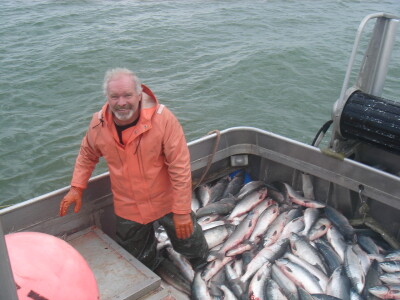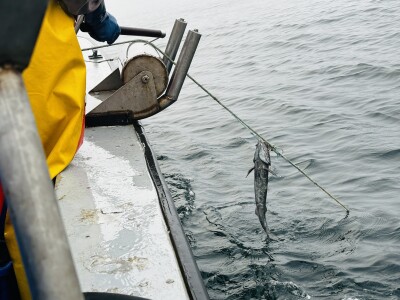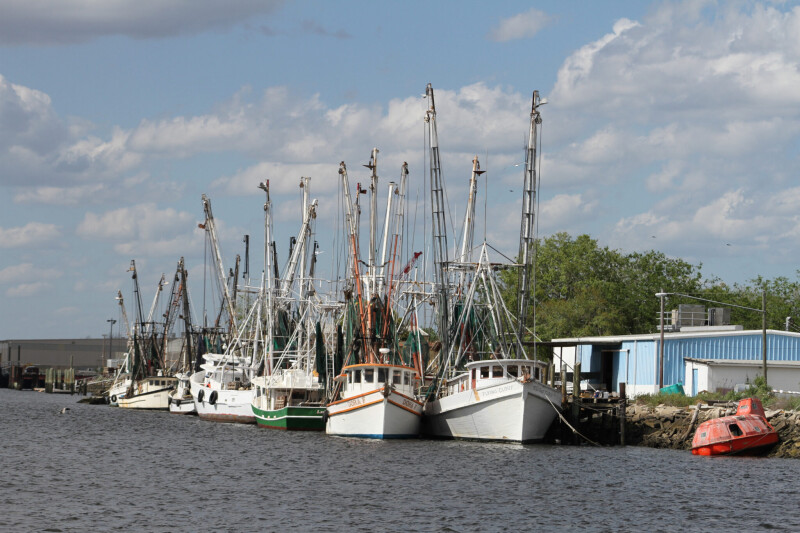
Sea Grant is investing $1.3 million in four projects aimed at helping young fishermen enter and advance in the commercial fishing industry, with programs planned in Maine, Virginia, Washington, and the Gulf of America.
The funding comes through the Young Fishermen’s Development Program, established under the Young Fishermen’s Development Act, which was signed into law in 2021. The program is designed to address barriers facing new entrants to commercial fishing, including high financial risks, limited training opportunities, and challenges building a viable career in the industry.
The four competitively selected projects will provide training, technical assistance, and career development opportunities. Award recipients are also required to provide a 25% non-federal funding match.
In Maine, the Maine Lobstermen’s Association received $399,677 for its Young Lobstermen Business and Leadership Advancement Project, led by principal investigator Patrice McCarron.
The project is designed to prepare young lobstermen for the economic and regulatory challenges facing Maine’s lobster industry through three workforce development programs.
The Harvesters Advancing Understanding and Leadership program will focus on conservation leadership and stewardship, while the Buoy to Bank program will provide business and financial management training. Sternman 101 will give new entrants hands-on skills, safety training, and practical experience needed to pursue a career in the fishery.
Virginia will receive $392,876 through the Virginia Institute of Marine Science for Virginia’s Young Fishermen’s Initiative. The project is intended to become one of the state’s first formal workforce development opportunities focused on commercial fishing.
Sea Grant said Virginia’s small-scale fisheries are facing an aging workforce and limited numbers of new entrants, creating concerns about workforce succession, domestic seafood production and the long-term resilience of fishing communities. The initiative will work to identify and reduce barriers preventing the next generation from entering those fisheries.
In Washington, the University of Washington received $399,957 for a project aimed at expanding access to commercial fishing careers for young and new fishermen in the Pacific Northwest.
Washington Sea Grant will develop programs including the Washington Young Fishermen and Crew Conference and Skills & Drills technical training. The effort will combine specialized fishing skills with networking opportunities connecting newcomers and experienced fishermen.
The Gulf of America Reef Fish Shareholders' Alliance will receive $176,409 for a project addressing a shortage of qualified commercial fishing captains in the Gulf of America reef fish fishery.
The project will pilot the Gulf Commercial Fisherman Program: Captain Course, building on existing deckhand programs to create a pathway toward becoming a captain. Training will focus on the technical, leadership, and business skills fishermen need to operate safely and build financially sustainable careers.
Together, the four projects are intended to create local and regional pathways into an industry where the cost of entry, specialized skills and aging workforce have made succession an increasing concern.
Through the Young Fishermen’s Development Program, Sea Grant said the investment will expand educational programs, workshops, technical assistance, and other training designed to help fishermen pursue long-term careers in commercial fishing.