When the National Oceanic and Atmospheric Administration (NOAA) and National Marine Fisheries Service (NMFS) were established in 1970, it was recommended that they become part of their own oceans department or the Department of the Interior. But the Bureau of Commercial Fisheries, which preceded NOAA, focused on marine resources as economic assets, so the Nixon Administration put the new agencies in the Department of Commerce, and that’s where they have remained for the last 56 years.
According to Behnken, for every $20 million the USDA provides to farmers, fishermen get $2 million. “Three percent of the USDA budget goes to seafood, and point five percent goes to wild fisheries. And the National Aquaculture Association has launched a full-on effort to make sure we don’t get any more.”
But with Illenberg, a man with a fisheries background, at the helm, Behnken believes the USDA’s Office of Seafood can provide fishermen with access to the kind of programs that farmers benefit from. “Farmers can get crop insurance, for example,” she says. “Fishermen need a similar program for when fish don’t show up. Disaster relief can take five years to pay out, and by then some boats have gone out of business. The USDA has a much quicker payout, and we need that as climate change affects more fisheries.”
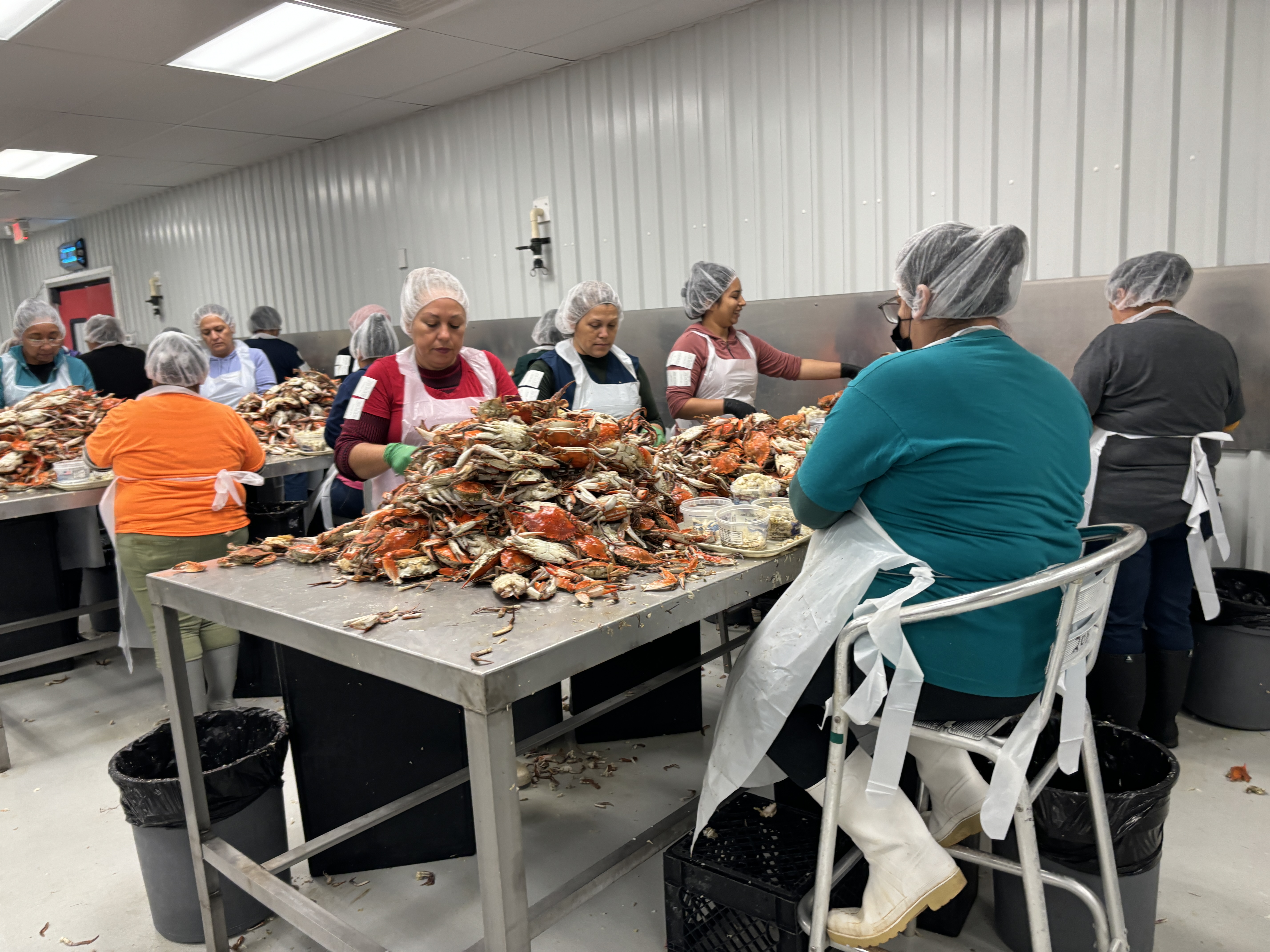
More than that, Behken wants to see programs that will upgrade harvest and processing technology. “This isn’t just for the fishermen,” she says. “The processors need access to grants and loans that will enable them to invest in value-added capacity, especially here in Alaska, where fish are going out headed and gutted and getting value added elsewhere. We want to recapture that value and those jobs.”
The PME panel will discuss those ideas and others that apply to fisheries on all the US coasts. “Besides processing and insurance, we’re looking at improving regional food systems with things like workforce training, increasing cold storage, helping fishermen invest in their boats and gear, and rebuilding infrastructure after storms like the one that took out many of the wharves in Maine a couple of years ago.”
ALFA and many others would also like to see continued investment in energy transition from diesel to electric, and decarbonization of the fleet where feasible. “And we want to hear new ideas,” says Behnken, noting that the panel members will be listening to fishermen at PME.