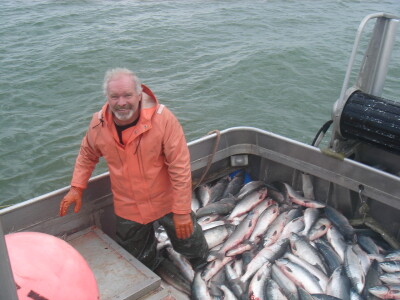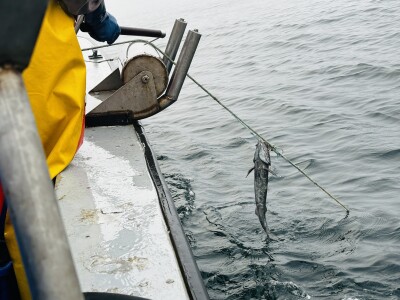
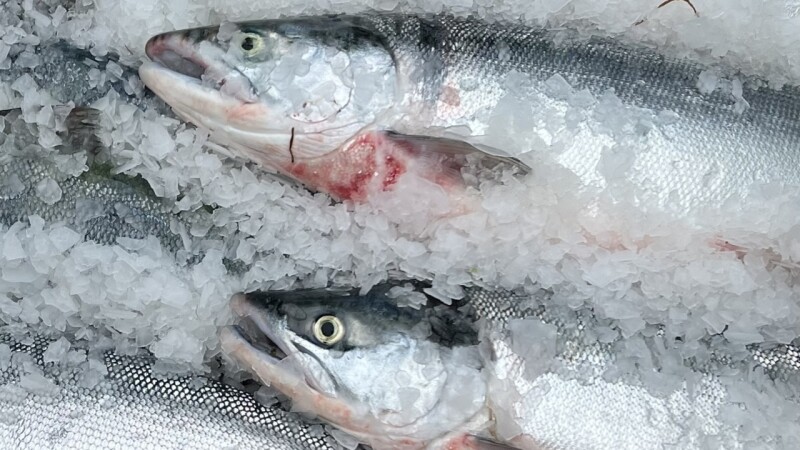
The seafood marketplace is a battleground, and the fight between wild and farmed salmon has raged since the early 2000s. “One industry spurs the other to make changes,” says Julie Decker, president of the Pacific Seafood Processors Association—the PSPA. Decker will be speaking on a panel titled: Value Starts on Deck: Creating a Culture of Food Safety, Quality, and Sustainability Onboard. Joining Decker on the panel are Seafood Consultant John Boyce of Cultivate SA and Lisa Goche, CEO of Seafood Collaborators LLC.
Decker notes that the tax credit has expanded to include other species and was recently extended another ten years to 2036, which will likely incentivize a decade of new investment in quality. “Fishermen and processors are experimenting with new technologies and, in some cases, how to account for quality within their business relationships,” she says.
Boyce adds that food safety and quality are closely related. “In 2012 we had a vodka bottle left in a load of fish, and it broke inside the processing plant, and we had to discard thousands of pounds of fish,” he says. “We couldn’t take a chance with any that might have been contaminated. We’ve also found ceramic mugs and other things in the fish. Fishermen need to be aware of these things when they’re offloading and make sure nothing gets in the fish.”
Boyce adds that when fishermen offload, they should check their holds to make sure no fish have been left. “An old fish might not hurt anyone, but it can lower the quality of an entire load,” he says.
Alaska’s sustainability record stands on its own, particularly when it comes to salmon management, and the state’s ban on open net pen salmon farming. But another key factor when looking at quality, safety, and sustainability is tracking, or chain of custody. “We have strong food safety and sustainability requirements related to the chain of custody of Alaska seafood. “We track groups of vessels delivering to a tender, or lots,” says Decker. “However, we can’t track to an individual boat, because the fish – particularly with salmon - are all co-mingled in the tender, then sorted at the plant by species, sex, size and quality, then co-mingled again."
In addition to sharing information, the panel will be listening to the master problem solvers themselves: the fishermen.