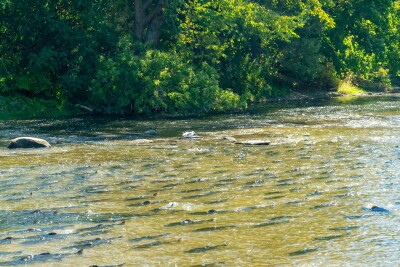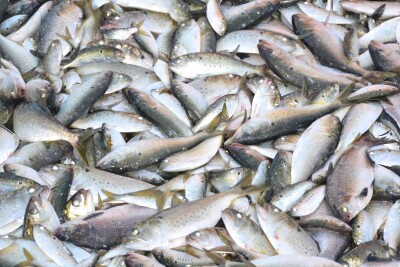


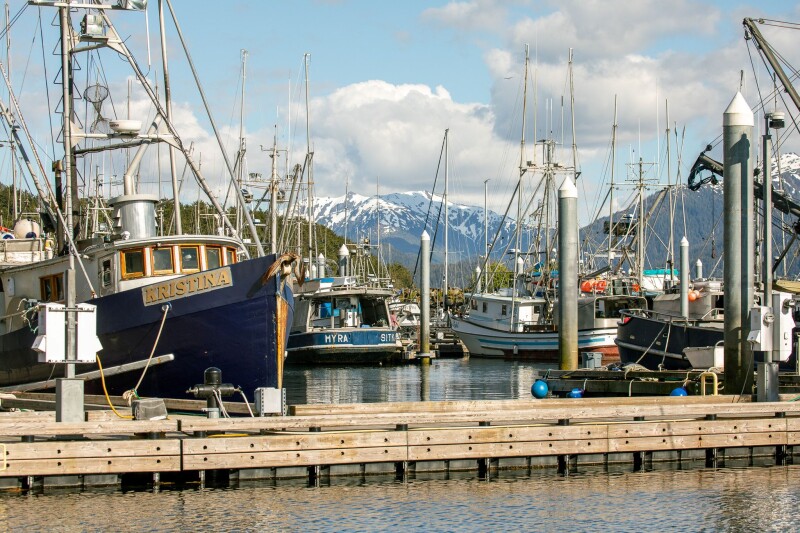
Like a rampant rumor, word of low catch traveled through the Sitka Sound fleet. It was, to most local fishermen, the worst king salmon opener they had ever experienced. And it should be, to all, absolutely terrifying.
Knowledge accumulated from decades of commercial and subsistence fishing proved futile as salmon simply could not be found. Empty hooks despite weeks of work deeply affect the livelihoods and well-being of individuals, communities, and local industries.
Working as a deckhand with longtime Sitka fisherman and conservationist Eric Jordan, I heard the solemn word "dystopic" muttered more than a few times. It is the profound uncertainty of what future years will bring – a new degree of variability and unpredictability in the ocean ecosystem – that paints a distressing picture for Alaska's fisheries.
This past spring semester, I studied aquatic community dynamics in Iceland, where professors, researchers, and marine experts discussed impacts of increasing climatic and oceanic instability. A central concern is the weakening of the Atlantic Meridional Overturning Circulation, or AMOC, a system of global ocean currents regulated by salinity and temperature. In a report released this year, the Icelandic Meteorological Office predicts that a collapse of this current system may be approaching sooner than previously thought.
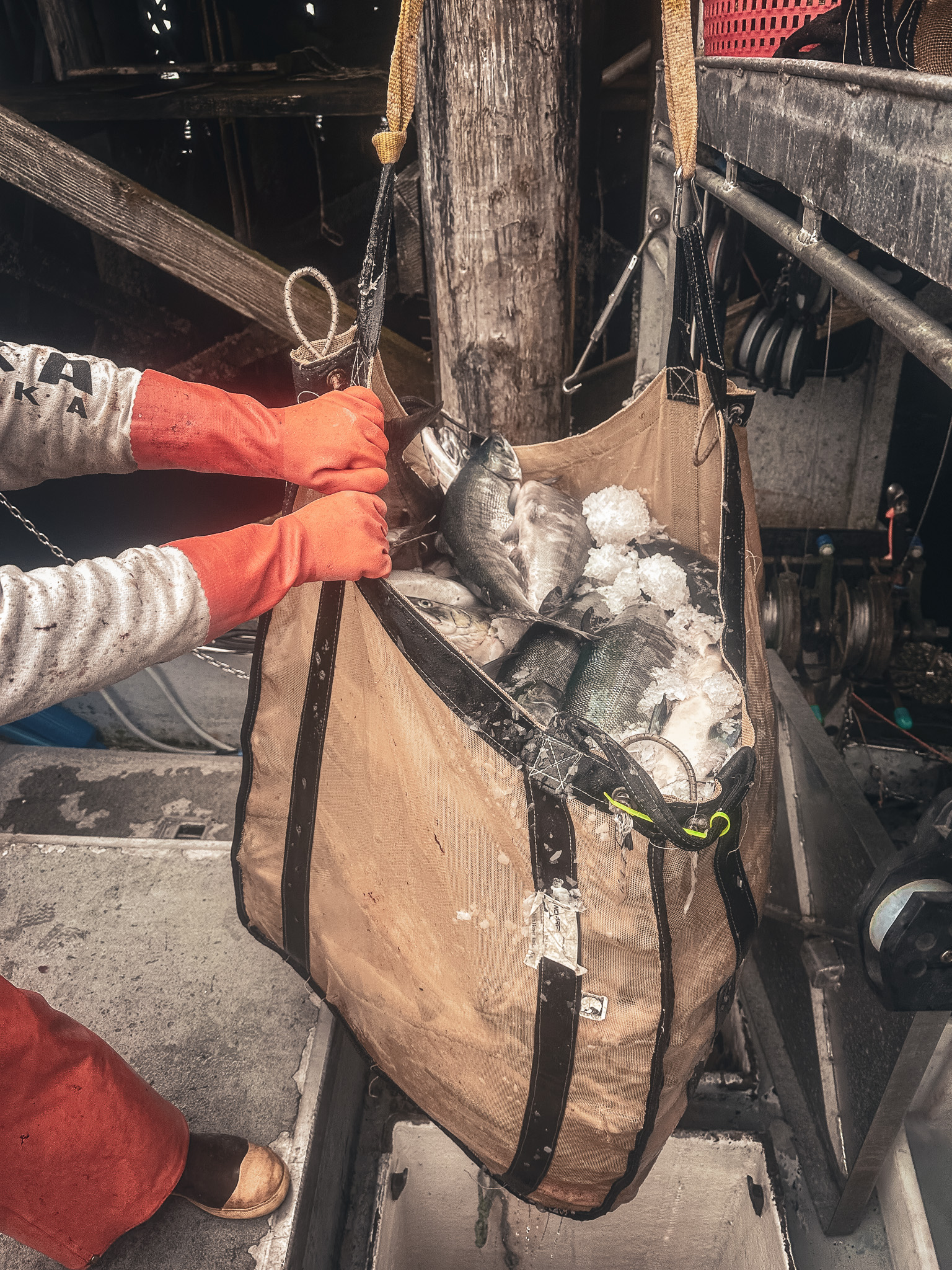
While various models project a range of outcomes for the weakening and potential collapse of the AMOC, consequences are sure to be far-reaching. For example, uncertainty in the Pacific Northwest is to be expected – including increased intensity of warming El Niño events, sporadic regional cooling, variable eastward and westward winds, and rapid shifts in sea surface temperature.
Along with threats to ocean circulation systems, warming waters severely impact marine life, especially salmon populations. In the past decade, four of the highest overall salmon abundance years since the 1920s were recorded in the North Pacific, a result tied to increased productivity associated with higher water temperatures. However, like many cold-adapted species, salmon benefit as water warms, but only up to a point. Past certain temperature thresholds, stress reduces salmon development and survival. Salmon will also have less suitable habitat, fluctuating food sources, and more competition for the colder water that is left – threats only exacerbated by overfishing. What may seem to be slight year-to-year variability may very well be the buildup to catastrophe.
The question that persists is how to respond. One step fishing communities can take is to work alongside our Nordic neighbors to develop innovations that reduce dependence on fossil fuels, the root cause of climate change.
Interestingly, this summer marks the completion of two groundbreaking hybrid diesel-electric engine projects that took place simultaneously in opposite parts of the world: Ålesund, Norway, and Sitka, Alaska. With the blueprints for commercial expansion, new hybrid models offer reductions in fuel costs, noise, and energy usage on marine vessels, more effectively supporting fishing and aquaculture.
Prioritizing greener solutions in our own communities spreads them to regions around the world. Further implementation of carbon-efficient innovations across fleets and industries can fulfill a global responsibility to limit ocean temperature increase and minimize the uncertainty that defines the present and future.
Research must be pursued to the fullest extent to monitor changing coastal ecosystems, the health of fisheries, and human-driven impact. Risk management is necessary for the prolonged safety of coastal communities. It is also critical for fishermen, researchers, and proactive enthusiasts alike to continue engaging others on climate-related issues, advocating for legislative support, and preparing for unforeseen adversities.
An Icelandic proverb states: "The smallest of streams make the strongest of rivers." Collectively, community by community, pooling strategies and lending tools within our reach, a river we can become.
The author
Rhett Krovitz is a rising senior and Environmental Science major at the University of Virginia. This summer, he worked with the Alaska Longline Fishermen's Association as their summer program and outreach intern, where he developed database management tools, organized fish distribution events, and compiled resources for workforce development opportunities in Sitka and other Alaskan communities. He is passionate about all things marine and eager for future opportunities to learn, collaborate, and advocate for innovative solutions.