The New Bedford Fishing Heritage Center is asking fishermen and fishing families to dig through old file boxes, basements, and kitchen drawers for records that could help preserve the history of one of the nation’s most prominent commercial fishing communities.
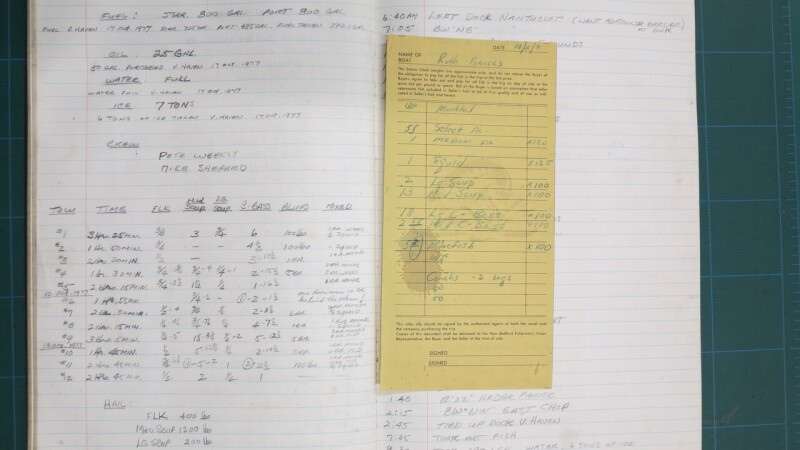
The center has launched a new collection and digitization effort focused on fishermen’s documents, including logbooks, settlement sheets, vessel trip reports, charts and other records from the New Bedford fishing industry.
For generations, fishermen have kept handwritten logs documenting their time at sea, recording everything from fishing locations and catches to weather, sea conditions, and tow duration. Settlement sheets offer another piece of the story, detailing trip expenses, wages, and crew shares.
Together, those records can provide a window into both the economic and environmental changes fishermen have experienced over time.
Historic documents can show how much fish was landed and where, what fishermen received at auction, how much crew members earned, and what vessels paid for fuel, ice, food, and other provisions. They can also illustrate how fishing businesses adapted as regulations changed, prices fluctuated, and landings rose or fell.
“Working people, whether they’re fixing an engine or risking their lives on the deck of a scallop boat, don’t often have their stories told,” said Laura Orleans, executive director of the New Bedford Fishing Heritage Center.
The center said many of those stories remain tucked away in family homes rather than traditional archives, and historically valuable records can be lost or discarded when their significance is not recognized.
While New Bedford’s whaling history has long been documented and celebrated, the Fishing Heritage Center wants to ensure the city’s commercial fishing history receives similar attention.
Established in 2016, the center has spent more than a decade collecting and preserving materials connected to New Bedford’s fishing community. Its online archive now includes thousands of historical photographs, documents, and recordings chronicling the people and businesses behind the port.
Fishermen and families interested in contributing materials to the new effort can contact the Fishing Heritage Center at [email protected] or 508-993-8894 and ask for Connor.