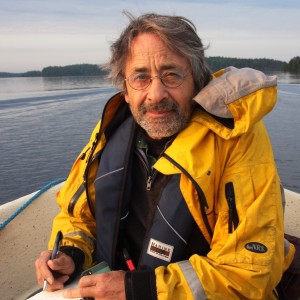
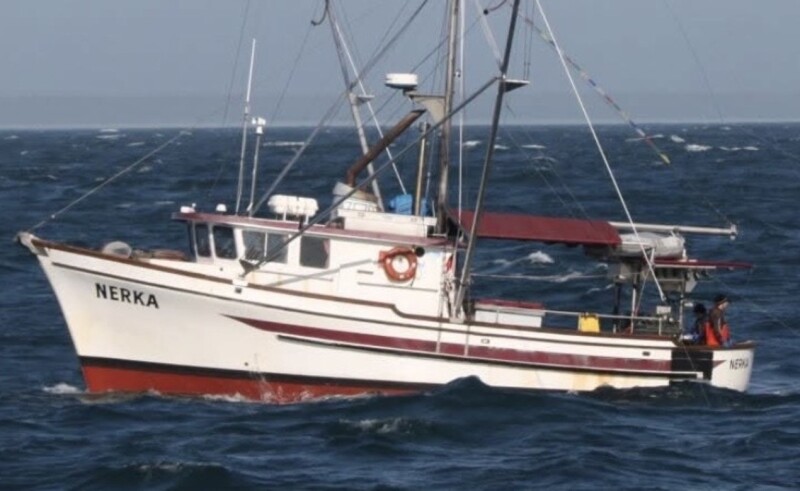
Joel Brady-Power joined the crew of his parents’ boat, the Nerka, when he was two weeks old and has never left. There are very few fishermen who have spent as much of their lives on one boat as Brady-Power.
“My father had an old wooden double-ender named Nerka, which is the Latin name for sockeye, and he used it for gillnetting sockeye and chum in the Lynn Canal. Then, in 1979, he had C&M Marine in Seattle build the Nerka. Back then, fiberglass was cheap, and they built these boats with layers and layers of mat and roving. Some of the through-hull fittings in the bottom are an inch thick.”
At 43 feet, with a 14-foot beam and drawing almost 6 feet, the boats coming out of the C&M mold were on the small side for the fiberglass trollers coming out of other yards at the time, and as Brady-Power recalls, it got a little crowded on the Nerka. “I was born in 1982 and my sister in 1985, and when we were little it was us, my mother and father and a deckhand on board. I don’t know how we did it.”
With the new C&M Nerka, Don Power, Brady-Power’s father, switched from gillnetting to trolling. “I have just a few memories of gillnetting,” says Brady-Power. “He must have quit when I was four or five. By the time I was 13, I could handle most of the work along with another deckhand, and my mother and sister stopped coming up.” Fishing a June to September season, Brady-Power was able to fish and attend school. “I went to LaConner High School; sometimes I’d have to leave the boat early, and dad would get a deckhand to fill in for me.”
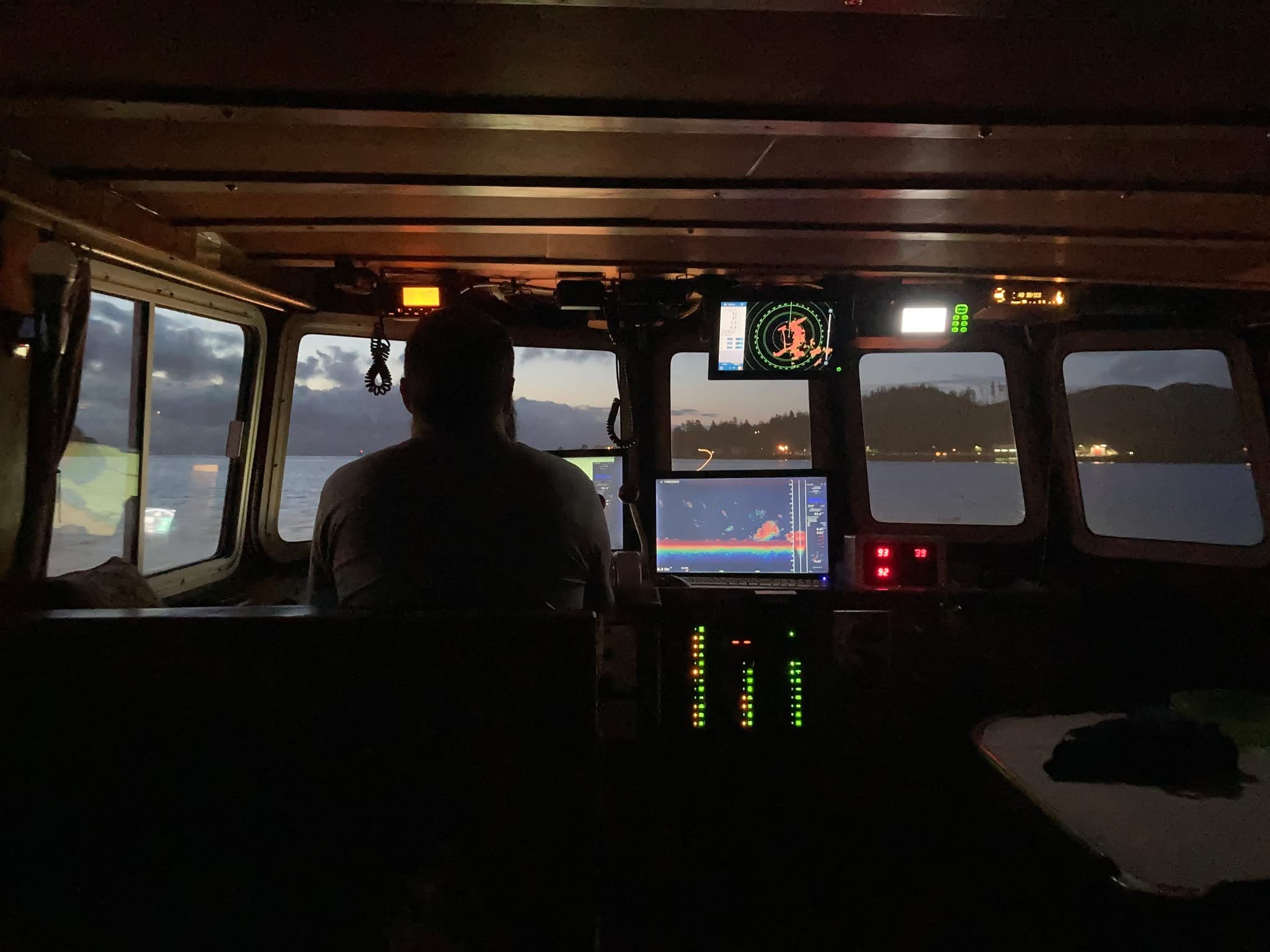
As Brady-Power grew, he took over more and more responsibility for the boat. “My father was getting tired of it. Towards the end, he was mostly just running the boat and doing the maintenance on the engine and systems; finally, he told me he was done. I was 22 and wanted to keep going, so I bought the boat from him.”
Although Brady-Power had spent his life on the Nerka, being in command and entirely responsible for the vessel, its crew, and making a trip pay involved a few things he had not yet learned. “I said to my dad that if he was really leaving, he better teach me how the systems worked. I remember struggling with some maintenance issue, and he tried to reach in and do it, and I stopped him. ‘Remember, you’re not going to be here,’ I told him.”
The fates favored Brady-Power in those first years. “The ocean humbles you pretty fast,” he says. “I was out there with my high school buddies doing stupid stuff. I had some close calls that really changed the way I worked and made decisions.”
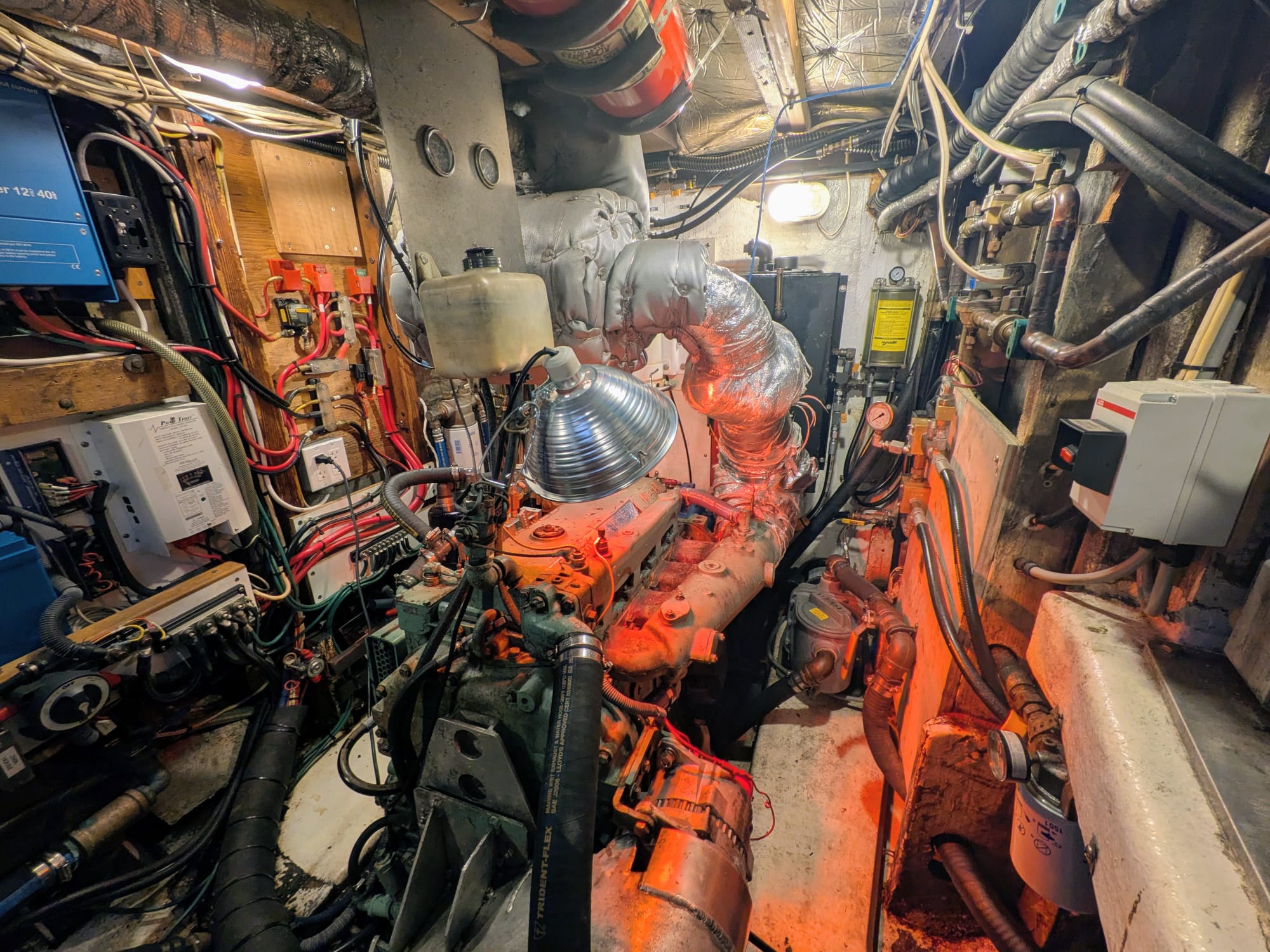
Twenty-two years later, Brady-Power and the Nerka have gone through many changes. “The first thing I did when I bought the boat was take the gillnet reel off,” he says. “It was still on there. And over the years I’ve replaced almost everything on the boat except the main engine, a Detroit 4-71, that’s original, although it has been rebuilt twice, so far.”
Brady-Power wasn’t just buying his family’s boat; he was buying a vertically integrated salmon retail and wholesale business. “Even with his old boat, Dad had been freezing kings, cohos, and sockeye a couple of times, for Bruce Gore, the guy who started marketing frozen-at-sea salmon.”
Don Power had put a blast freezer in the hold of the Nerka and started selling his catch as Nerka Frozen at Sea Salmon, but as Brady-Power recalls, the system was problematic. “The genset was direct drive to the compressor, and it was constantly blowing seals,” he says. “In 2007 we put in a new system with an Isuzu 4LE2 21.5K genset with an Integrated Marine Systems (IMS) blast freeze system put together and installed by the late Tim Quandt. The IMS system comes on a sled, but things are so tight that we had to take it all apart and reassemble it in the engine room.”
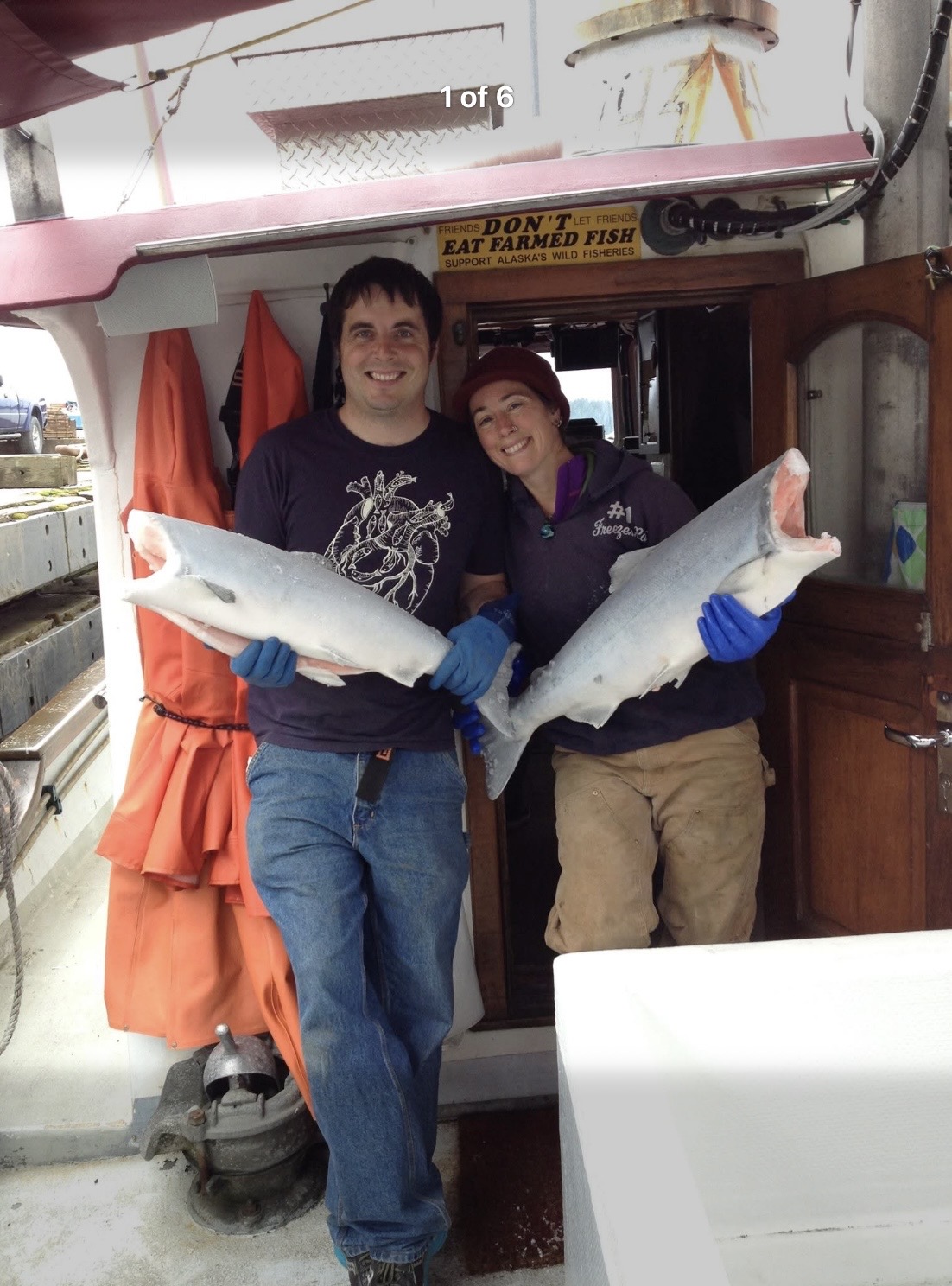
The fish hold of the Nerka holds about 10,000 pounds of frozen salmon. “Our system is so inefficient,” says Brady-Power. “I don’t know how many times we handle each fish from the time we pull them out of the water until we put them into our customers’ hands.” The process begins with catching fish, starting with Chinook in June, then switching to Coho and back to Chinook after August. Brady-Power and his partner, National Fisherman 2026 Highliner, Tele Aadsen, haul the fish up with East Hope three-spool gurdies, pressure bleed each of them, and then put them into the Nerka’s -40 degree fish hold. “Then every thousand pounds or so we put on our freezer suits and go down and glaze the fish with salt water.” The end product, when thawed, is like a fish that just came out of the water.
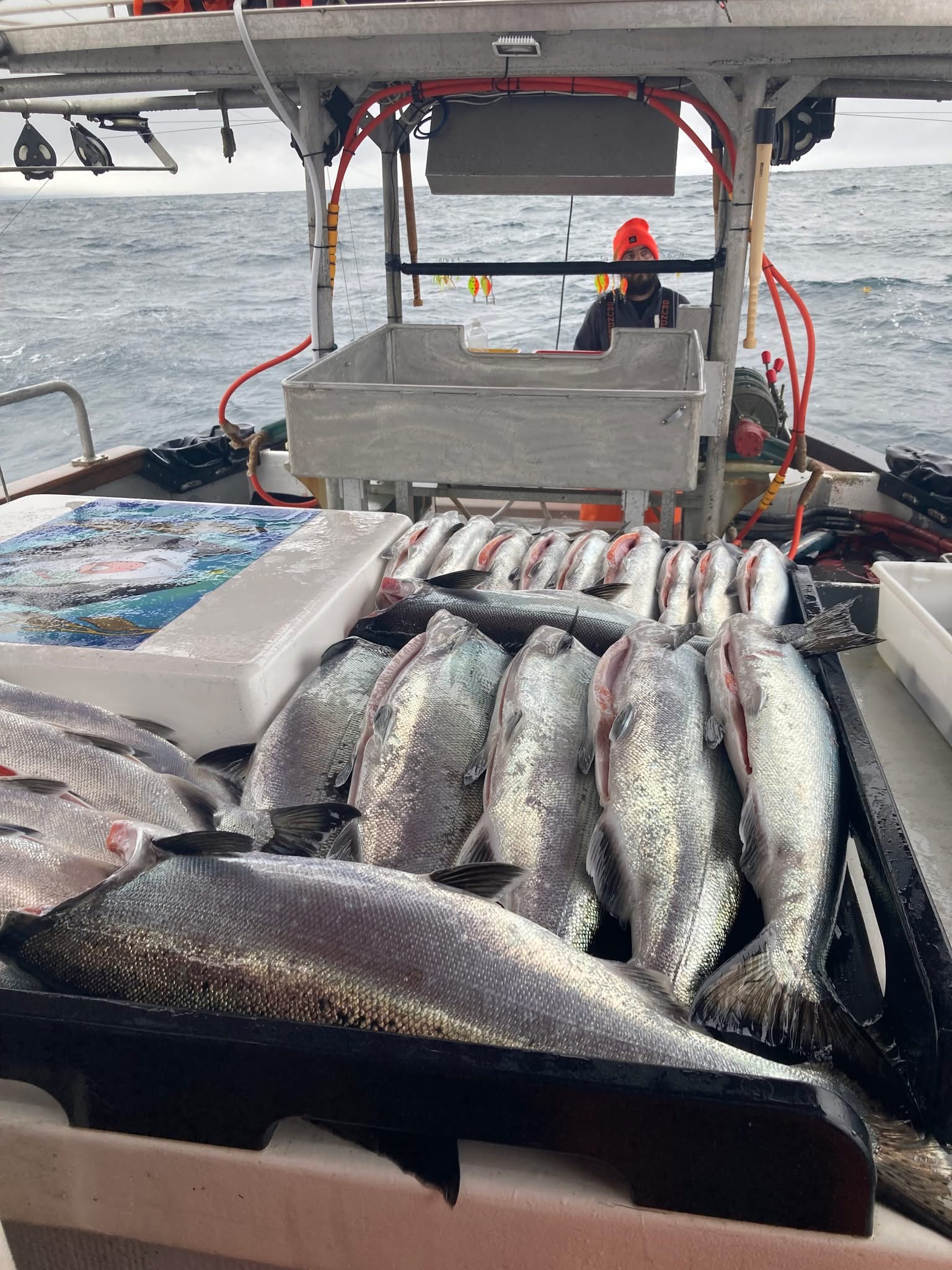
In Sitka, Brady-Power, Aadsen, and a crew hand-stack the fish into a 1,000-pound tote that then goes into a freezer van that gets shipped on a barge to the Nerka Sea Frozen Salmon cold storage facility in Bellingham, Washington, where it gets graded and boxed. At the end of the season, Brady-Power reports that he is happy to have 30 to 35 thousand pounds frozen, which he and Aadsen will then sell over the winter. “At this point we have customers that have been buying from us for years, and we have strong relationships. The first fish my father sold were to the Oyster and Thistle restaurant, and they’re still with us,” he says.
Brady-Power and Aadsen take the Nerka up to Alaska every June and bring her back in September. “Around the first week of September we start talking about an exit strategy,” says Brady-Power. “We’ve gotten lulled into staying later a couple of times and then end up spending a week in Ketchikan waiting for the weather to break, and when we’re heading home we’re tired, and we just want to get there.” The deep displacement hull of the Nerka is not built for speed. The old 4-71 turns a Twin Disc G506 gear at 2.96:1, a 2 1/2-inch shaft, and a 36 x 26 4-blade prop that propels the boat at an average of 7.5 knots.
Once home, the Nerka often makes a stop at Port Townsend Shipwrights Co-op for off-season maintenance. “I’m a big fan of maintenance,” says Brady-Power, noting that losing fishing days is more expensive than paying to take care of the boat. “I love the Shipwrights. Usually they know the best way to deal with a problem, and they sometimes see things I miss.
Keeping the boat in top fishing conditions means Brady-Power has done some big jobs, like replacing the genset four years ago and rewiring the entire boat. “We pulled 300 pounds of wire off the boat, a lot of it, going back to my dad, was wires that had been cut off and went nowhere.”
On the electronics, Brady-Power has replaced his father’s old Loran and paper machine sounder with more sophisticated systems. “We have a Simrad A2004 autopilot, Furuno Navnet TZ2 Radar, Furuno DFF1-UHD sounder, and a Standard Horizon Matrix AIS+ GX2150 VHF radio,” he says.
The Nerka hasn’t grown any over the years and crew quarters are still tight. “We have a double bunk down forward for ma and pa and a bunk for crew in the wheelhouse,” says Brady-Power. “My sister and I’s old bunk is storage now. But the bunks aren’t big. I’m 5’ 9,” and it’s tight for me. We tend to look for short people for crew.”
Brady-Power and Aadsen are busy selling the 2026 catch and preparing for the 2027 season. “There’s always something to be done; we usually focus on one big project a year and cycle through the systems. The one thing I’ve wanted to do for a long time is paint the boat, but that costs a lot of money and doesn’t catch you more fish, so it keeps getting deferred.” Maybe a good season, good price, and no major projects will sometime combine in some year to get the 47-year-old Nerka a new shine.
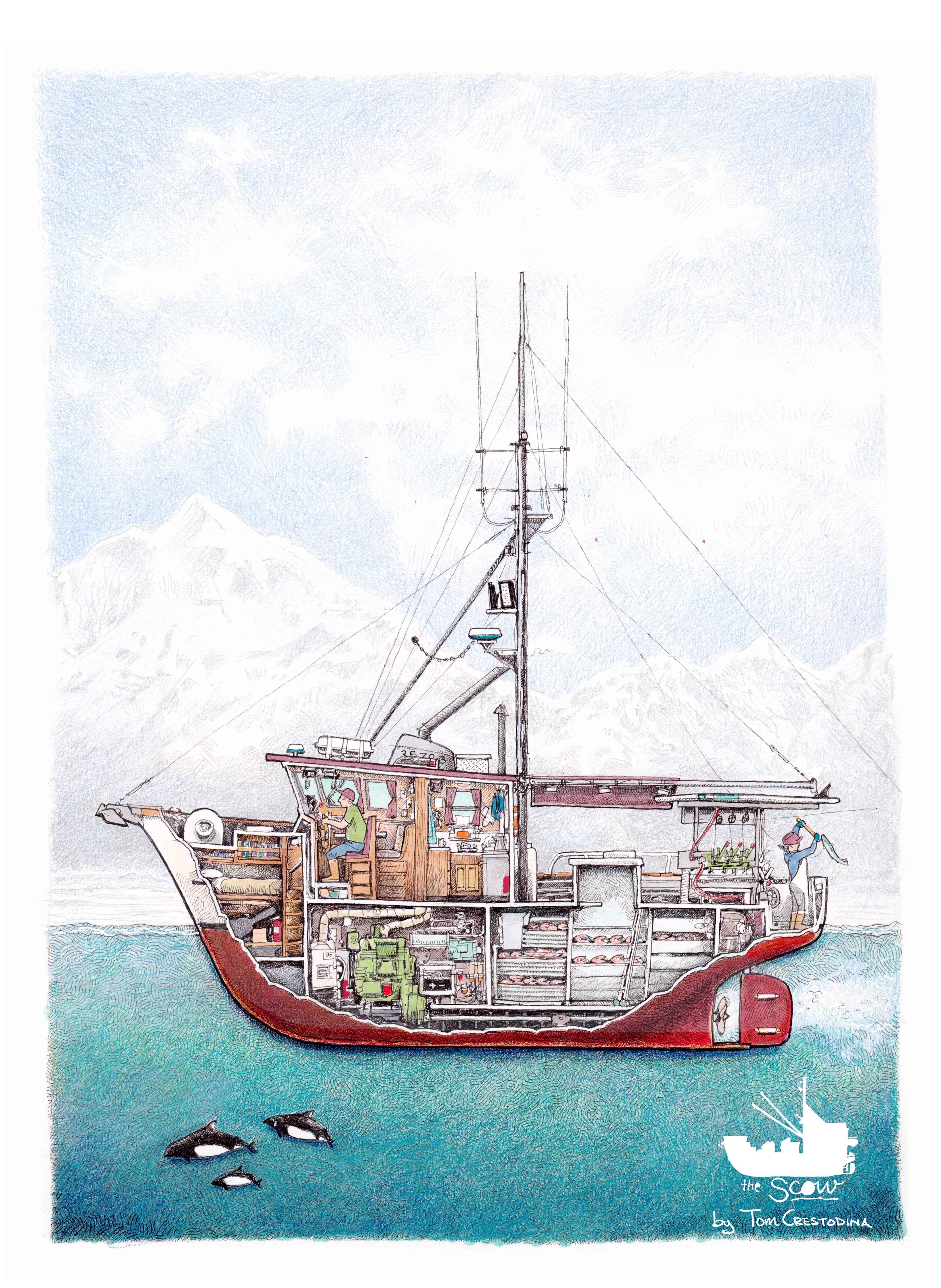
Spec Box
Name of Boat: F/V Nerka
Home Port: Bellingham, WA
Owner: (company) F/V Nerka LLC
Builder: C & M Marine
Hull Material: Fiberglass
Year built: 1979
Fishery: Southeast Alaska Salmon Troller
Length: 43 feet
Beam: 14 feet
Draft: 5' 11"
Engine: Detroit Diesel 4-71
Power Train: Twin Disc MG506 gear 2.96:1 ratio, 2 1/2 inch shaft with a 36 x 26 R 4 blade prop
Speed: 7.5 knots
Fuel Capacity: about 1,100 gallons
Water Capacity: 250 gallons
Hold capacity: 10-12,000 lbs of frozen salmon depending on how creative we want to get
Refrigeration/Freezer: Isuzu 4LE2 21.5K genset with an Integrated Marine Systems blast-freeze system, put together and installed by the late Tim Quandt.
Electronics: Simrad A2004 autopilot, Furuno Navnet TZ2 Radar, Furuno DFF1-UHD depth finder, Standard Horizon Matrix AIS+ GX2150 VHF radio.
Deck Gear: East Hope three-spool gurdies
Crew accommodations: One double bunk and a single bunk in the cabin for crew.