The U.S. Shrimp Coalition is urging the Trump administration to include shrimp and other seafood among products receiving zero-tariff treatment as the United States and Thailand work toward a reciprocal trade agreement.
In an Aug. 25 letter to U.S. Trade Representative (USTR) Jamieson Greer, the coalition argued that exempting Thai shrimp from tariffs would help maintain affordable seafood supplies while supporting U.S. businesses and jobs tied to processing, transportation, retail, restaurants and food service.
The request marks one of the first major policy pushes from the coalition since the group launched in late July to represent seafood importers, retailers, restaurants and other supply-chain stakeholders.
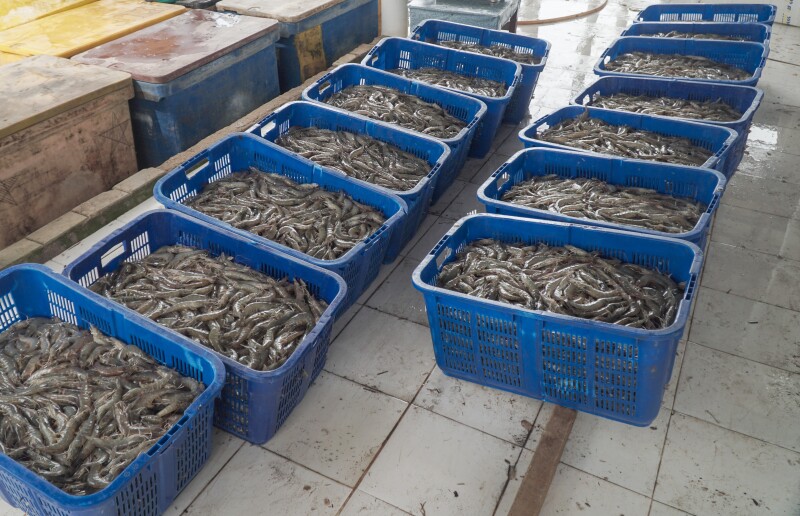
“Shrimp is America's most popular seafood, and nearly 90 percent of the shrimp Americans eat is imported,” the coalition wrote. “Domestic wild-caught shrimp and imported shrimp serve complementary roles in the marketplace.”
The coalition argues that domestic shrimp is seasonal and available in limited quantities, while imports provide the year-round supply needed to meet U.S. consumer demand.
In its letter, the group pointed to Thailand as an established global seafood supplier and argued that shrimp should be treated similarly to other products the administration has considered for tariff exemptions when domestic production is insufficient to meet U.S. demand.
“We therefore respectfully request that USTR prioritize shrimp, alongside other seafood products meeting this criteria, for inclusion among the goods receiving zero-tariff treatment as the U.S.-Thailand Agreement on Reciprocal Trade is finalized,” the coalition wrote.
The group said eliminating tariffs on qualifying Thai seafood would protect U.S. jobs throughout the shrimp supply chain while preserving consumer choice and affordability.
The request comes as the role of imported shrimp remains a point of contention within the U.S. seafood industry. When the coalition launched July 31, National Fisherman reported that the organization had formed in response to efforts to restrict shrimp imports through tariffs and other trade measures.
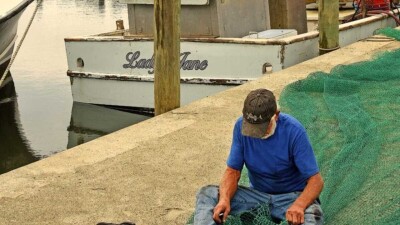
Domestic wild shrimp harvesters, particularly in the Gulf and South Atlantic, have taken a different position on imports. Fishing industry groups have argued that high volumes of low-priced foreign shrimp have depressed dockside prices and made it increasingly difficult for U.S. shrimpers to remain profitable. Those groups have pushed for stronger trade enforcement and other federal action to support the domestic fleet.
The U.S. Shrimp Coalition maintains that domestic and imported shrimp serve different but complementary parts of the market.
Its Aug. 25 letter estimates that shrimp imports support $10.4 billion in U.S. economic value and more than 140,000 jobs across processing, packaging, transportation, retail, restaurants and food service.
The coalition said it plans to continue working with USTR as negotiations with Thailand move toward a final agreement.