

The U.S. Forest Service is moving forward with a proposal to rescind the 2001 Roadless Rule, a nationwide policy change that fishing groups in Southeast Alaska say could have consequences for salmon habitat in the Tongass National Forest.
The proposed rule would eliminate Roadless Rule restrictions on approximately 44.7 million acres of National Forest System lands nationwide, including roughly 9.3 million acres within the Tongass. The existing rule generally prohibits road construction, road reconstruction, and timber harvesting within designated inventoried roadless areas, with certain exceptions.
If finalized, the change would not automatically authorize development across those lands. Instead, the Forest Service says rescission would return decisions over road construction, timber harvest, and other activities to individual forest planning processes and other applicable federal requirements.
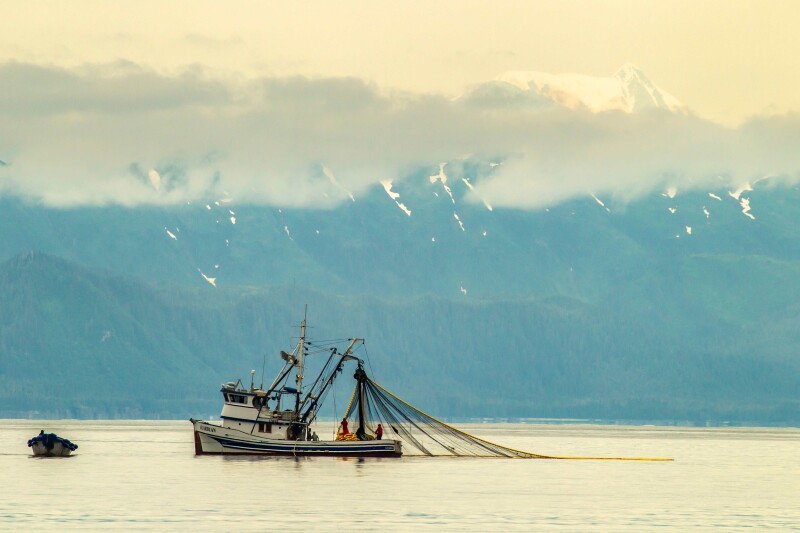
The Alaska Longline Fishermen’s Association (ALFA) is among the groups opposing the proposal, arguing that maintaining intact watersheds within the Tongass is important to Southeast Alaska’s commercial fisheries.
In an update to members, ALFA said approximately 30 percent of Alaska’s wild salmon harvest comes from the Tongass region, citing 266 million pounds harvested in 2024. The organization also pointed to the economic importance of salmon and the broader seafood industry in Southeast Alaska, where it says seafood harvest generated more than $1.2 billion in direct and indirect economic output in 2021 and 2022.
Of particular concern to the group are pink and coho salmon, which depend heavily on freshwater habitat within the Tongass. ALFA said the forest produces roughly two-thirds of Southeast Alaska’s coho harvest and at least 95 percent of its pink salmon harvest. Sockeye salmon also utilize streams and lakes throughout the forest.
ALFA argues that expanded road construction and timber harvesting could affect those fisheries through sedimentation, warmer stream temperatures, and changes to spawning habitat.
"American Seafood Competitiveness is closely tied to the health of the Tongass National Forest and keeping its forests and streams intact," the organization said in its update.
The Forest Service argues that the nationwide Roadless Rule adds an unnecessary regulatory layer to national forest management. The agency says rescinding it would provide greater flexibility for wildlife risk reduction, timber production, and economic development while returning more decision-making to the local forest level.
The Roadless Rule has governed roadless-area inventories across much of the National Forest System since 2001. Idaho and Colorado later adopted their own state-specific roadless rules, which would remain in place under the current proposal.