

A proposal by Alaska’s two U.S. senators to ban seafood imports from Russia has met resistance in the form of Sen. Edward Markey, D-Mass.
On Feb. 9 , Sens. Dan Sullivan and Lisa Murkowski, both R-Alaska, filed S.3614, the U.S.-Russian Federation Seafood Reciprocity Act, which seeks to respond to Russia’s embargo of American fish and other seafood products that was put in place after the U.S. with a reciprocal ban.
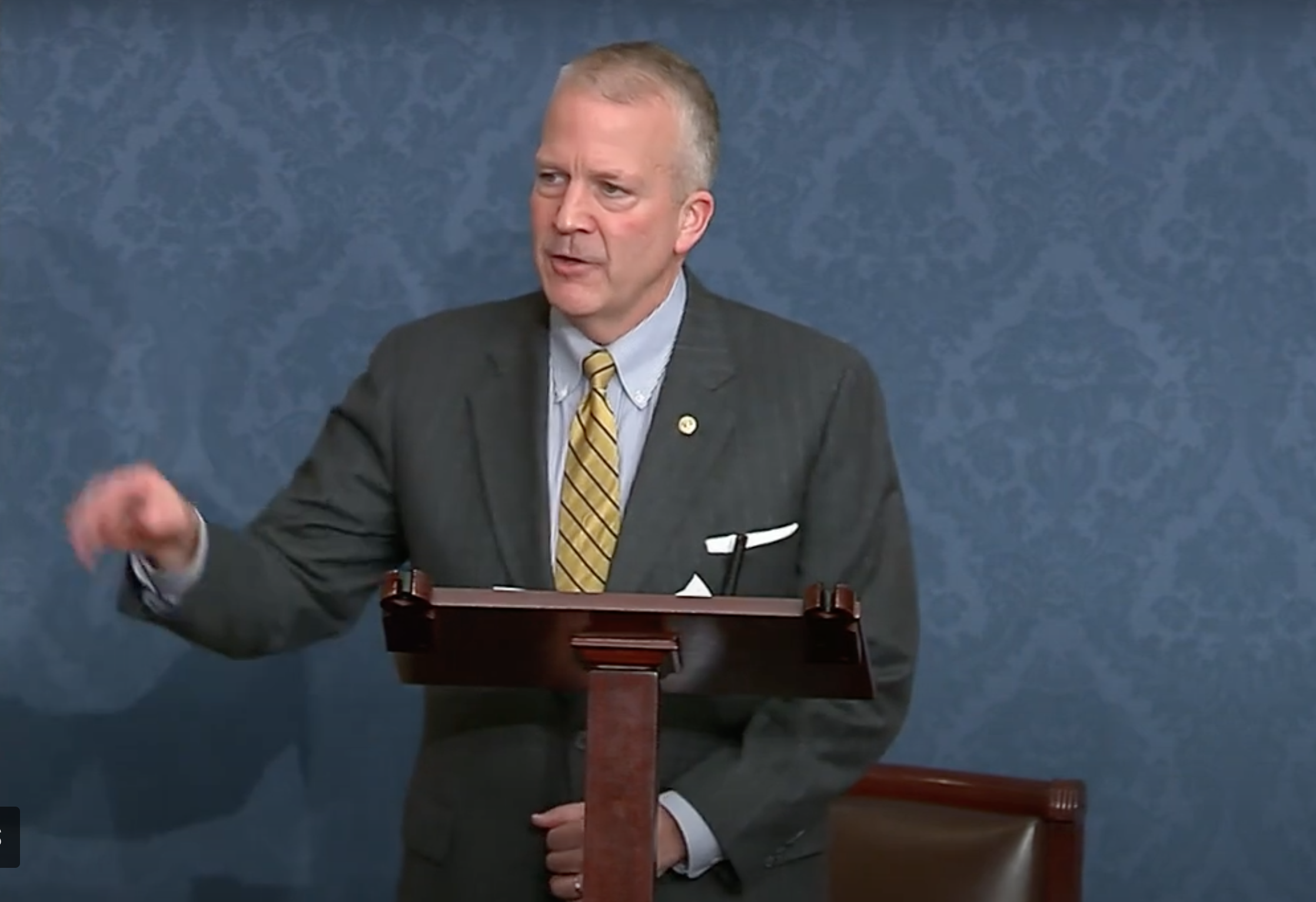
Sullivan sought to have the bill approved in the Senate by unanimous consent. However, Markey objected to the bill, saying it could create unintended consequences for U.S. seafood importers.
“I have heard from seafood processors in my home state with concerns about potential sudden effects of a new immediate ban on imports on their workforce, including hundreds of union workers in the seafood processing industry,” said Markey. “And that would be right now.”
Sullivan noted that Massachusetts processors handle a large amount of Russian pollock, and suggested that product could be sourced from Alaska instead.
“We have a huge amount of fishermen engaged in that fishery,” Sullivan said. “So maybe what we should look at is make sure Massachusetts workers are actually processing American, Alaskan pollock. Not the authoritarian pollock in Russia, and that would be a fair way to resolve this.”
Markey said he hoped to work with Sullivan on a compromise solution, but that effort could be complicated by an announcement by the administration of U.S. President Joe Biden on Feb. 22 implementing sanctions against Russia for its decision to send a military force into Ukraine.
Markey isn’t the only one with concerns about the reciprocal ban. Les Hodges, the former director of business development for Keyport LLC and former CEO of Vantage Seafood and the Talon Group, and an authority on Russian crab imports and secondary U.S. production of various customer and value- added products, said banning Russian imports would result in a dramatic decline in the availability of some species of crab, including king and snow crab, in the United States.
Russia accounts for more than 90 percent of king crab imports and 30 percent of snow crab imports. Losing access to those products would devastate a number of processing companies in the Pacific Northwest, he wrote in an op-ed.
“Alaska does not have the resources to fill in for this potential loss of product,” Hodges said.
This story originally appeard on SeafoodSource.com and is republished here with permission.