

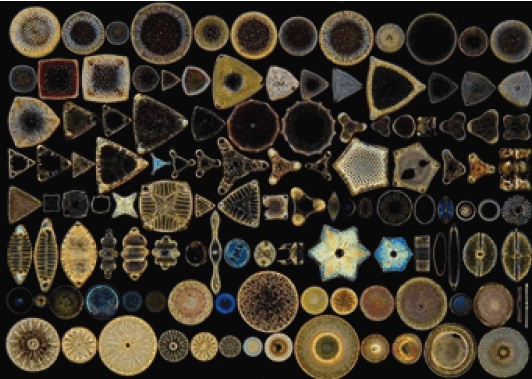
If $6.00 diesel, wind farms, and whales aren’t enough to keep fishermen awake at night, they can start contemplating the global decline in phytoplankton. From around the world, in almost every ocean except the high polar latitudes, scientists are documenting declines in phytoplankton and population shifts from nutritious diatoms to less nutrient-dense, often toxic dinoflagellates.
Phytoplankton forms the foundation of the marine food chain and supplies 50 percent of the Earth’s oxygen—every other breath we take is thanks to phytoplankton. Declines reported from the Gulf of Maine to the Caribbean to the Indian Ocean and South China Sea might deserve front-page coverage, but as in many disaster movies, warnings from science are often dismissed until the implications can no longer
In 2025, a team of U.S. scientists led by Greg Silsbe released a paper, Global Declines in Net Primary Production in the Ocean Color Era, assessing ocean health largely based on satellite imagery from 1997 to 2022. “Here we show that statistically significant decreases in NPP [net primary production] have occurred in almost half of the ocean and these changes are dominated by declines in the tropical and subtropical stratified ocean,” the authors say. “A deeper analysis confirms that strengthening nutrient limitation is largely driving declining NPP. Climate-mediated shifts in NPP represent a fundamental perturbation to biogeochemical cycles that can further weaken global fisheries.”
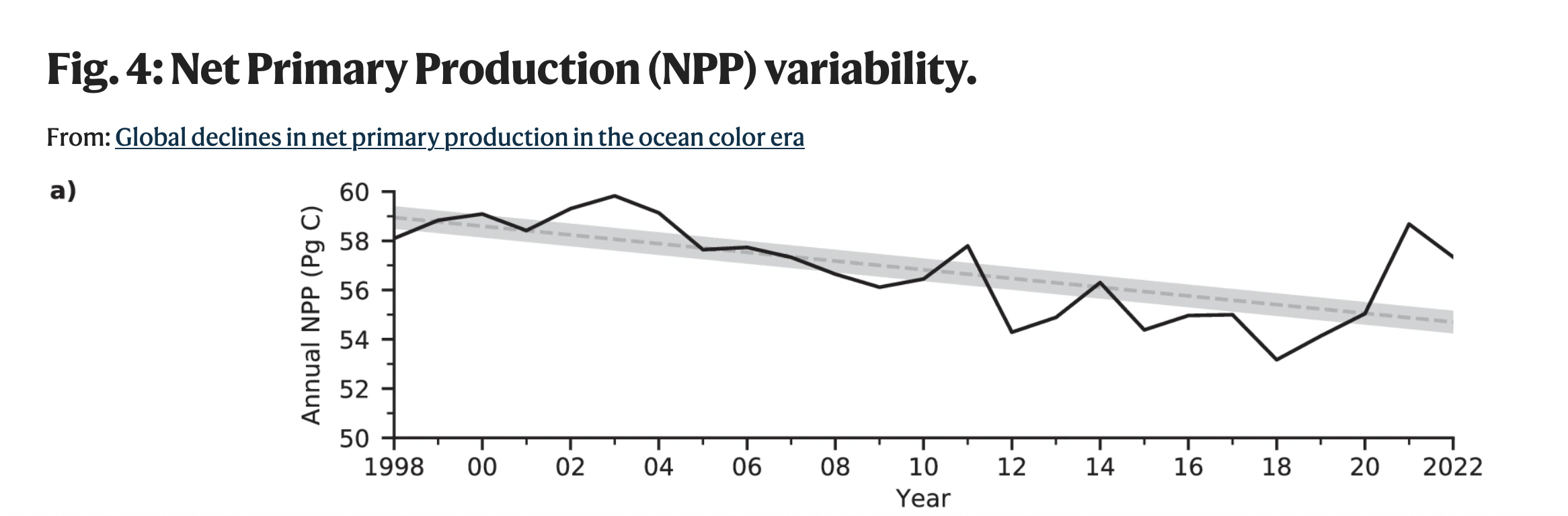
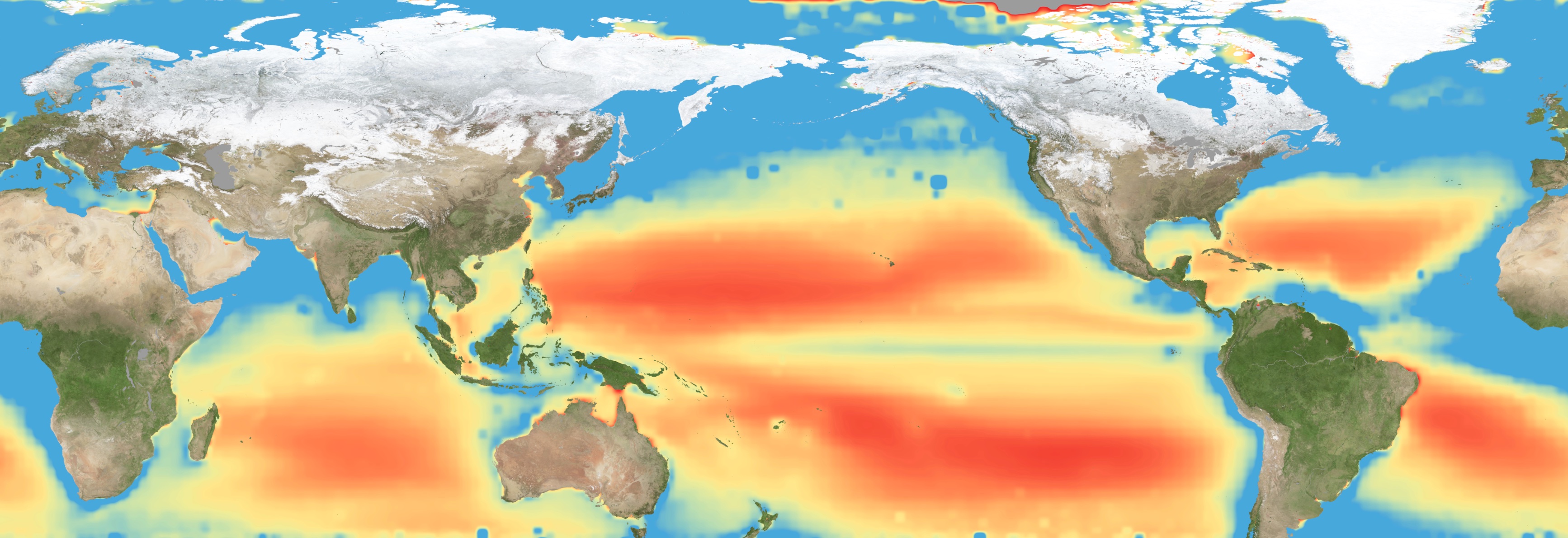
Silsbe and company report that across the satellite record, net primary production is decreasing throughout vast regions of the subtropical and tropical ocean—between 40degrees South and 40 degrees North latitudes—and increasing in polar and subpolar waters. “Overall, NPP has significantly declined in 48% of the ocean at an average rate,” they write. Conversely, they note that only 4% of the ocean has experienced a significant increase in NPP, and those increases are largely occurring in low-productivity regions.
But even in polar regions where plankton levels are increasing or unchanged, Peter Sculli at the Alaska Sea Life Center in Seward, Alaska, wrote in a paper released last year that while plankton may be abundant, if the plankton blooms associated with the retreat of ice happen at the wrong time, zooplankton that have timed their hatch to coincide with peak phytoplankton blooms may find themselves facing a food shortage.
“Although long-term averages of plankton bloom timing have not shifted dramatically in all regions, recent studies have observed increased variability and altered bloom timing in response to sea ice loss and warmer ocean conditions, particularly in ice-influenced waters like the Bering Sea,” Sculli says. “This variability can disrupt the coordination between primary producers and grazers, change how much energy stays in the water column versus sinks to the seafloor, and ultimately affect the human communities and industries that depend on healthy marine ecosystems.”
Sculli also notes a potential decline in the nutritional value of the zooplankton that graze on phytoplankton. “In addition to altering timing, warming can also shift the species composition of zooplankton communities,” he writes. “Following the 2014–2016 Pacific marine heatwave, researchers observed a marked decline in larger, lipid-rich copepods and an increase in smaller warm-water species. These smaller copepods generally offer less caloric value to predators and may have contributed to the widespread die-offs and reproductive failures documented among juvenile fish, seabirds, and whales during this time.” He notes that all these animals rely, directly or indirectly, on energy provided by zooplankton.
A deeper 2025 study in the Bay of Biscay in the eastern Atlantic also found a nutritional decline in forage fish. “Large differences were observed between the studied periods for both lipids and energy content,” the authors write. “In all species except S. sprattus [European sprat], energy contents decreased over time.” They report a 33 percent decline among high-quality prey, such as herring, and a 17 to 14 percent drop for lower-quality prey such as invertebrates.
Scientists attribute the decline in phytoplankton, zooplankton, and NPP to a number of factors, including ocean acidification, climate change, and microplastics. To that list, UK marine biologist Howard Dryden adds other plankton killers.
“Climate policy treats carbon dioxide as the single lever on the climate. We suggest a second one has been overlooked: the marine biodiversity that builds and maintains the ocean surface microlayer (SML) and that pollution is now degrading,” Dryden and his team write. “Water vapour, not CO₂, is the largest single contributor to the natural greenhouse effect and the strongest feedback on warming. The ocean supplies most of that vapour across the 71% of the planet it covers, and the thin biogenic lipid-and-surfactant film phytoplankton spread over the sea surface helps govern how readily it evaporates and forms aerosol.” Dryden and co-authors note that that besides clinging to microplastics, the plankton film gathers lipophilic "forever" chemicals and black-carbon soot, that all become toxic to the plankton that holds our planet’s ecosystem together.
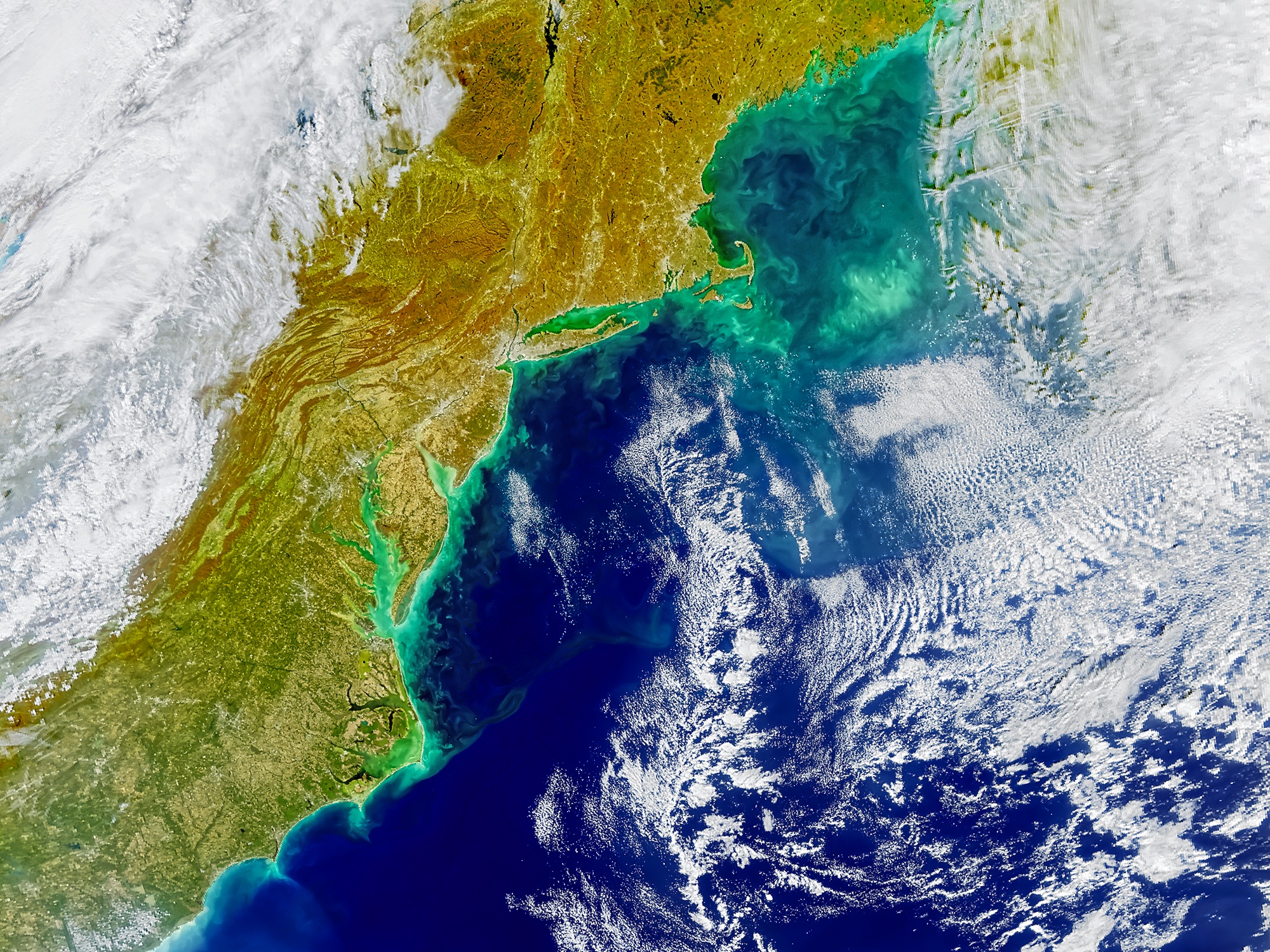
In New England, a 2022 study funded by the National Aeronautics and Space Administration (NASA) found that plankton had decreased by 65 percent in the Gulf of Maine over the course of 23 years. A NASA press release quotes William Balch, the Bigelow Laboratory scientist who led the study. “Phytoplankton are at the base of the marine food web on which all of life in the ocean depends, so it’s incredibly [significant] that its productivity has decreased,” says Balch. “A drop [of] 65% will undoubtedly have an effect on the carbon flowing through the marine food web, through phytoplankton-eating zooplankton and up to fish and apex predators.
“It’s all being driven by this gigantic windmill effect happening out in the North Atlantic, which is also changing the circulation coming into the Gulf of Maine,” Balch explains. “There used to be these inflows from the North Atlantic bringing water from the southward-flowing Labrador Current, making the Gulf cooler and fresher, as opposed to warmer and saltier, which is where we are now.”
In early August of 2026, another concerning report dropped from the University of Maine, where researchers have found declines in the availability of a zooplankton, Calanus finmarchicus, critical to lobster larvae development.
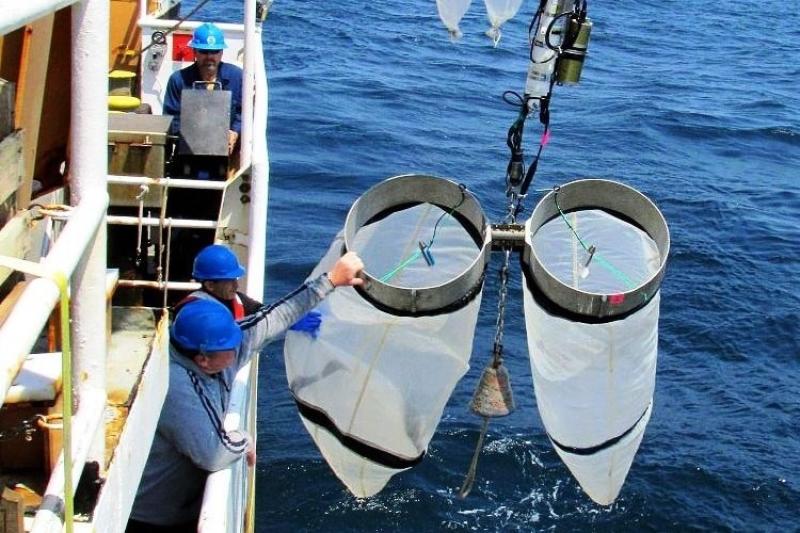
“We see evidence that [lobster] larvae are eating Calanus finmarchicus at a greater rate than you would expect if they were just feeding randomly; however, we also know that the geographic range of Calanus is receding northward into cooler waters, making it less readily available,” Alex Ascher, lead research scientist at Quahog Bay Conservancy, who began this work with UMaine as part of his Ph.D. thesis, told ecomagazine.com.
“Marine life in the oceans is heading for a total regime shift,” says Howard Dryden. “Which will result in a loss of most life.” Dryden believes his prediction of a massive oceanic regime shift resulting in extensive loss of life is likely to occur within the next 20 years. “The system also carries inertia, and that inertia removes the option of waiting,” he writes in his yet-to-be-reviewed paper on ocean acidification. The carbon dioxide already in the atmosphere will continue to enter the sea for decades after emissions fall, the water that is now corrosive at the surface is being carried into the [depths] from which future upwelling will return it, and a community that has fallen below its critical density does not recover when the pressure is eased. For these reasons, doing less harm is no longer sufficient. Stopping pollution, cutting emissions, and ending destructive fishing [Such as the krill fishery in Antarctica] are necessary, but on their own they only slow the decline of a system that is already past several thresholds. The task now is to rebuild and regenerate the marine ecosystem, to test and apply the means by which acidification can be reversed where the water is already below its threshold, and to do measurable good rather than less harm. The recommendations proposed above are the first step, because regeneration and repair cannot be planned or judged without them, and the coming decade is the period in which that repair is still possible on the basis of what remains.”
Some U.S. scientists are less pessimistic about the future of our oceans. “In many nutrient-poor regions of the Southern Hemisphere, however, the researchers found evidence that nutrient stress had not increased as much as expected despite significant warming,” James Riordon writes in a NASA press release about yet another study. “They suspect that microbes capable of capturing nitrogen from the air may partially offset the effects of reduced nutrient mixing.
That finding hints that marine ecosystems may possess more resilience to warming climates than some models predict. It also underscores the complexity of forecasting how ocean biology will respond to continued warming.
‘We have two really powerful tools,’ said study coauthor Michael Behrenfeld, a biochemist with Oregon State University in Corvallis, Oregon. The tools include satellite observations and cellular studies. ‘Both produce big data sets, but they are kind of opposites. We have very detailed data about microscopic phytoplankton … and then we have global coverage with satellites.’
By combining satellites that monitor the entire ocean with genetic clues carried inside microscopic plankton, the researchers say they are gaining a new way to track biological responses to changing environmental conditions near real time.
Readers might hope for surprising ocean resilience while taking the warnings of other scientists into consideration.