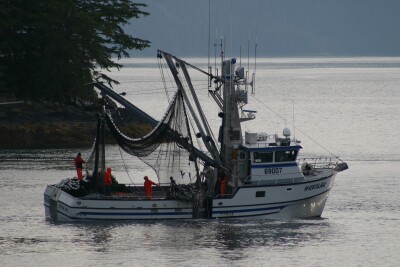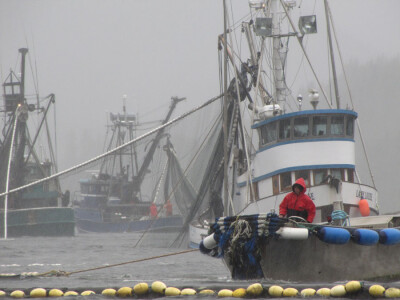


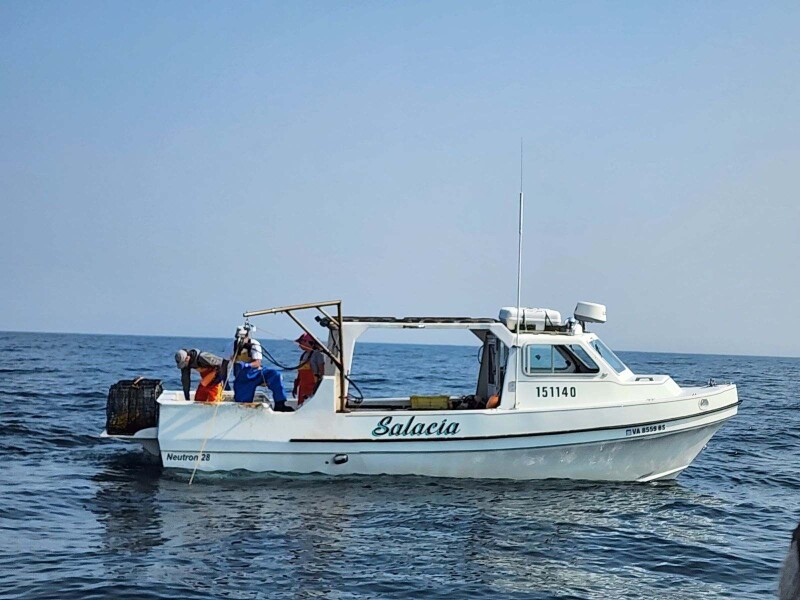
As a family of lifelong commercial fishers, we’ve always done our best to take care of the ocean off Virginia’s coast. But right now, an out-of-state company wants to dig out the foundation of our fishing grounds.
The two of us have saltwater running through our veins.
As for me – Jim – I fell in the water when I was two and have been driving a skiff since I was eight. My great uncle was a crabber, and my great aunt was picking crabs. I always knew I wanted to be a commercial fisherman here – just fell in love with fishing.
We know the ocean like we know ourselves. It’s a deep connection like no other and we take great pride in selling fresh caught fish to our community. We bread it and fry it up in corn oil at fish fries for the Elks Club, and people can’t stop eating it – they don’t even bother with the side dishes.
Dredging the bottom could kick up clouds of metal-heavy sediment polluting our water and beaches. This could in turn interrupt fish feeding patterns, interfere with reproduction and spawning, and cause fish to move elsewhere. That not only affects the fish we catch but also would cause ripple effects on the whole food chain and ecosystem that help our fisheries thrive. In addition to the many corals growing on the seafloor, our waters are home to endangered whales, sea turtles, sturgeon and dolphins. They all depend on a healthy ocean bottom to make sure the rest of the water column stays clean, healthy and productive.
In Virginia, commercial fisheries bring in hundreds of millions of pounds of catch each year and generate over a billion dollars in economic activity. Any fisherman will tell you this business has gotten harder. We used to have 20 black sea bass fishermen out of Chincoteague. Today, we’re the only ones still out here. The COVID-19 pandemic really hurt us, and now diesel fuel is at $5 a gallon. We can’t afford to go out and search the way we used to.
And it’s not just economic pressure. The seas, the weather and the catch are changing our fisheries. Having fished these waters for over 40 years, we have decades of data and have observed temperature changes and the migration of species firsthand.
There just isn’t enough scientific knowledge yet about how mining will change things. Scientists have said it warrants follow up study. And the mining industry hasn’t bothered to reach out to those of us who steward these waters to communicate its plans or how they will affect all of us.
Before it makes a final decision, the Bureau of Ocean Energy Management (BOEM) is collecting public comments. Fishermen everywhere need to stand up and tell the federal government before August 22 that seabed mining would put our livelihoods and our way of life at risk. If you’re tearing up the bottom, you’re tearing up the future for fishermen like us.
Jim and Katie Dawson are commercial fishermen in Chincoteague, Virginia.