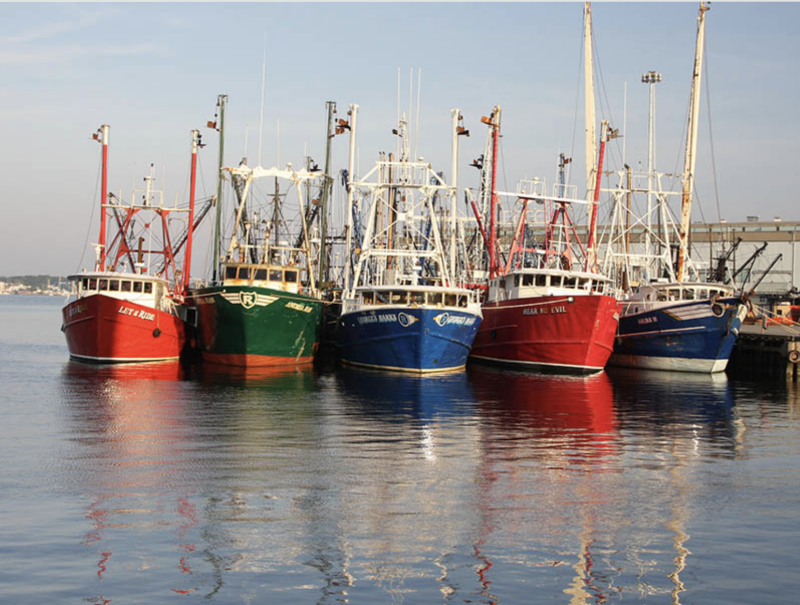
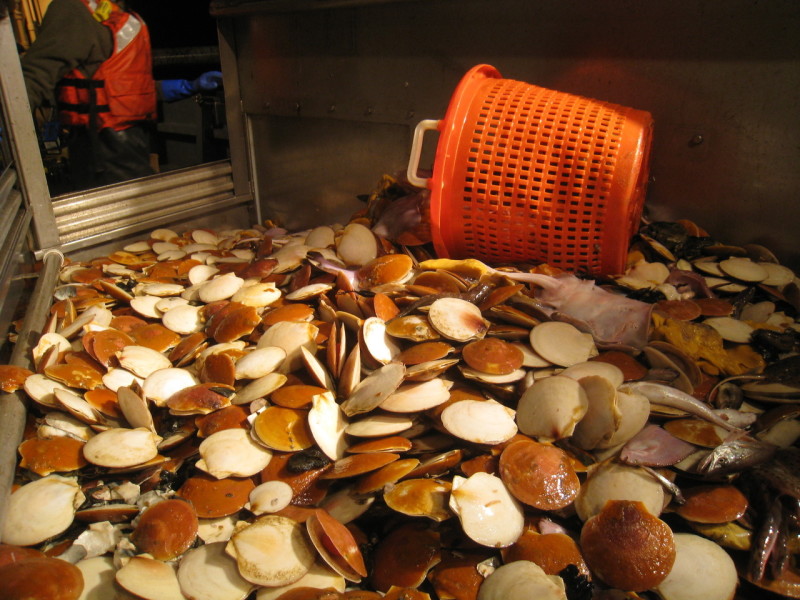
The proposal to allow combining – “stacking” two limited access scallop permits on single vessels – will be undoubtedly one of the most impactful and consequential scallop regulations to ever be considered by federal regulators.
I have advocated for all the planning and rulemaking to be presented via virtual meetings, in conjunction with the live meetings. Anyone can join a virtual meeting simply using a cell phone, or laptop computer. So there is no justification for not making that possible.
Stacking has been a major topic in scallop management going as far back as the 1990s. It has taken a Presidential executive order to bring it back to the forefront and should be managed with all the proper measures available due to its extreme importance. Managing the scallop fishery has followed a difficult and convoluted path, to where it has become the most valuable resource managed jointed by the New England and Mid-Atlantic fishery councils.
The fears around stacking that were a major stumbling block during earlier discussions, have really become a somewhat of a non-issue, as the scallop fishery has grown older with many of the vessels becoming a major safety issue that needs to be addressed.
When we first started to consider permit stacking, I was adamantly opposed to it because it would have displaced a lot of fishermen. But that is no longer the case, as many fishermen now fish upon several vessels. At times there is even a need for additional fishermen to crew these vessels, so displacement is no longer an issue.
Jim Kendall, a retired fisherman and scallop captain, is a longtime fishermen’s advocate and owner of New Bedford Seafood Consulting.