

A restoration project in Mashpee, Massachusetts, is working to rebuild wild oyster reefs that could help buffer the state's estuaries against pollution, storms and warming waters, according to reporting by NHPR.
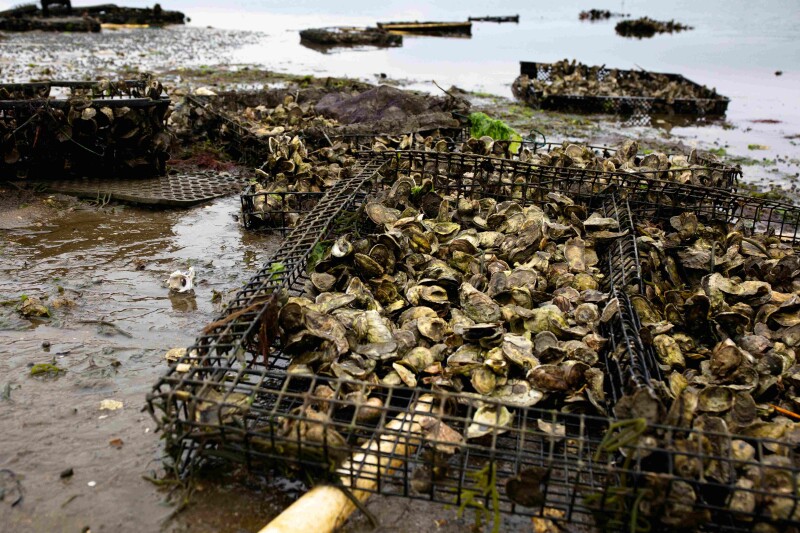
Caroline Larsson, senior shellfish technician for the Town of Mashpee, recently piloted 10,000 live oysters down the Little River to a man-made reef in Hamblin Pond, where they were spread onto culch material placed the previous November in hopes of triggering a natural spawning set.
The project is part of a broader push by The Nature Conservancy, which is partnering with the Massachusetts Division of Marine Fisheries (DMF) and local towns on similar reef-building efforts in the East Branch of the Westport River, the Bass River in Dennis and Yarmouth, Martha's Vineyard, Plum Island Sound and upper Buzzards Bay, according to the outlet. Dan Goulart, TNC's coastal project manager in Massachusetts, told NHPR that coastal communities face real risk of losing infrastructure and property, and that investing in nature-based defenses like oyster reefs, salt marshes and seagrass beds is a priority for the chapter.
Goulart said reefs help anchor sediment, dampen wave energy and reduce erosion, while also creating fish habitat and filtering water. A single oyster can filter 30 to 50 gallons a day, a figure that adds up quickly across a reef of hundreds of thousands of animals, per the report.
Oysters were once abundant across Massachusetts, but roughly 150 years of decline has left them functionally extinct in the state's waters, Goulart told NHPR, with Buzzards Bay — once one of the state's top oyster-growing regions — now nearly barren of wild oysters.
The Town of Mashpee donated about 100,000 oysters for the Hamblin Pond reef, and DMF seasonal research assistant Summer O'Rourke helped distribute farmed oysters at the site, explaining that lab-grown oysters are introduced into the wild once large enough to help sustain natural populations, according to NHPR. Goulart said state permitting for these restoration projects has historically been difficult but is improving, and stressed the need for regulators to move with more urgency given the pace of climate change, the outlet reported.
This fall, crews plan to add another layer to the reef using spat-on-shell (oyster shell coated in hatchery-raised larvae) to build a more resilient, multi-generational reef.