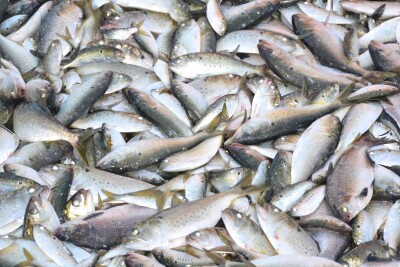


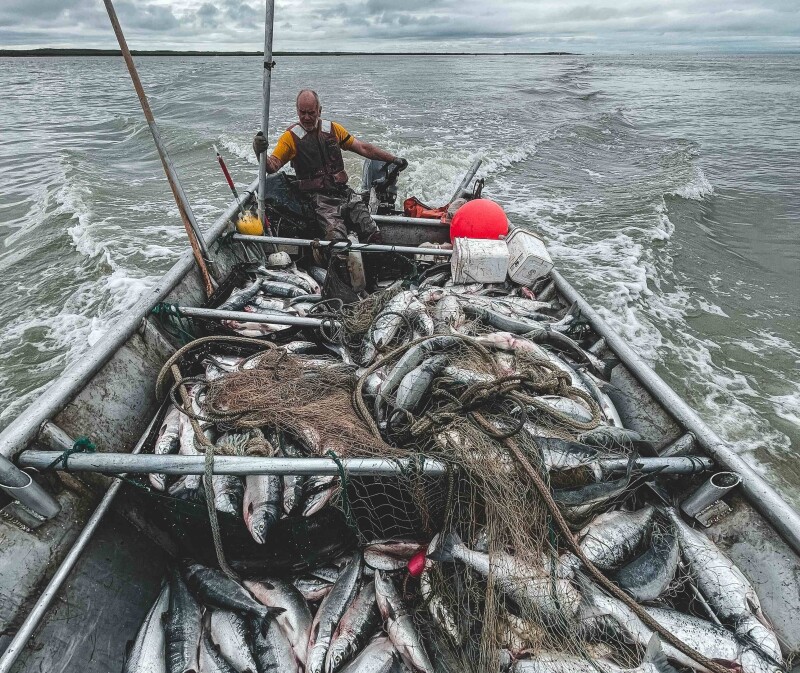
Commercial salmon fishing returned to Alaska's Kuskokwim Bay this summer for the first time in five years, offering dozens of local fishermen a chance to earn income despite persistent logistical and financial challenges.
Key takeaway
Kuskokwim Bay's commercial salmon fishery reopened for the first time in five years, but declining catches and ongoing financial challenges cut the season short, highlighting the hurdles facing efforts to rebuild the community-led fishery.
According to the Alaska Department of Fish and Game, the fishery reopened in early July, with about 70 permit holders targeting primarily sockeye salmon. Larry Strunk, a founding member of the Independent Fishermen of Quinhagak Cooperative, told KYUK that some fishermen had already earned more than $10,000 during the season with the potential for individual earnings to reach $15,000.
The fishery, however, was short-lived. Strunk told KYUK that the cooperative wrapped up fishing around July 28 after declining sockeye catches and rising operating costs made it difficult to continue.
"It seems like nothing has gone easy this year between financing, and water, and electrical, and finding the ice machines," Strunk told KYUK.
The Quinhagak cooperative is working to repay a $2.1 million loan from the Coastal Villages Region Fund while attempting to rebuild a commercial fishery that has struggled since local seafood processing plants closed and markets shifted. Strunk said the operation needed to generate roughly $45,000 per day to cover expenses but had not yet reached that threshold.
Despite the uncertain financial outlook, Strunk told KYUK the cooperative remains committed to restoring commercial fishing as an economic driver for western Alaska communities.
"We wanted to actually be able to control our own destiny rather than be at the whim of somebody else," Strunk said.
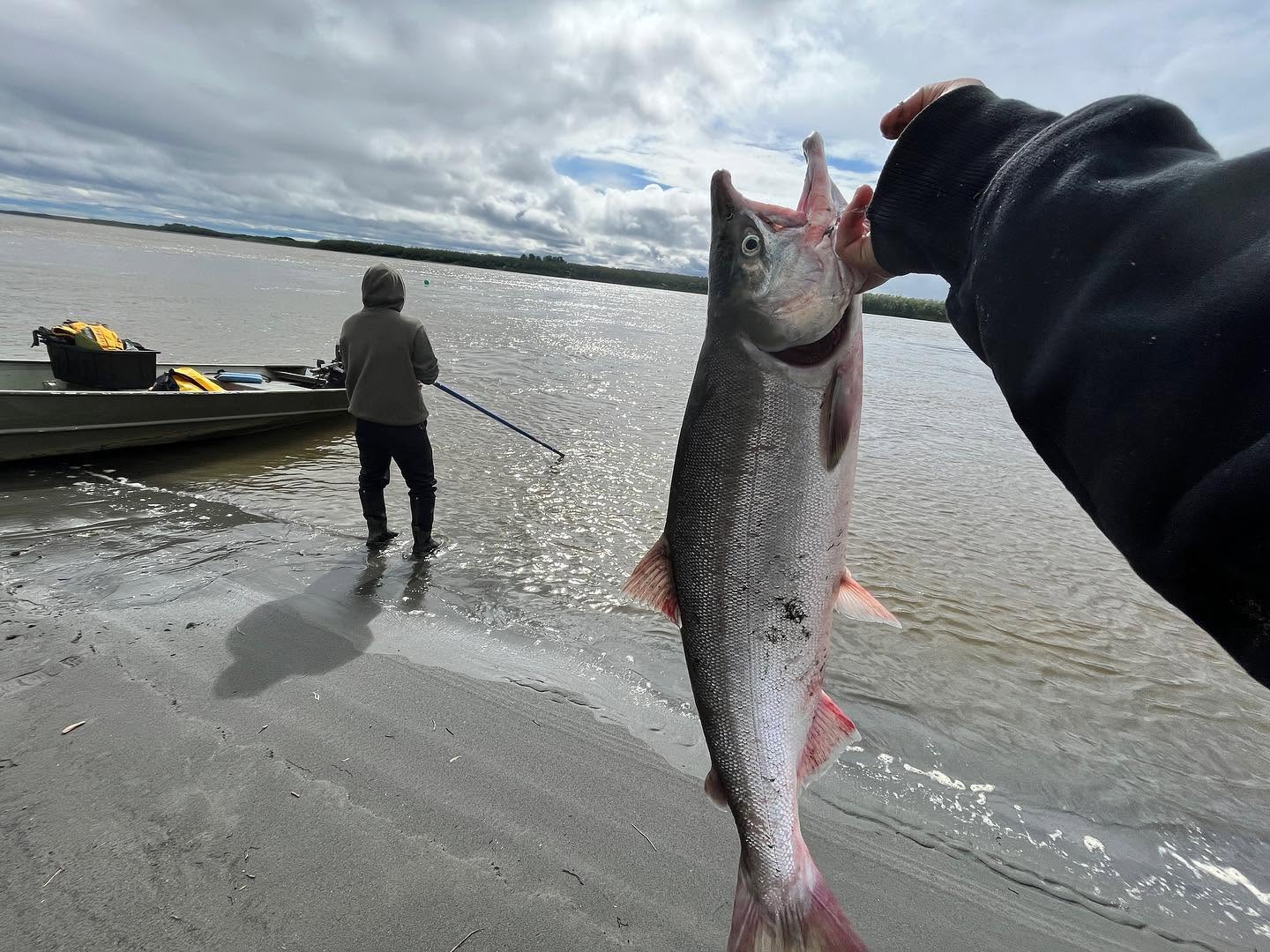
The cooperative hopes the community-led model can eventually become self-sustaining while creating new opportunities for local fishermen, though Strunk acknowledged that significant challenges remain before that goal is realized.