

When Bristol Bay’s salmon run reaches its peak, the spotlight usually falls on the fishermen hauling sockeye over the rails. But just offshore, another fleet is working around the clock to keep the fishery moving.
Key takeaway
Washington fisherman Evan Blankenship combines Bristol Bay tendering with Kodiak salmon seining, using the steady income from tendering to offset the uncertainty of commercial salmon fishing.
Tender boats shuttle thousands of pounds of salmon from fishermen to processors, fuel skiffs, deliver groceries and gear, and often serve as floating support vessels during one of the busiest commercial fisheries in the U.S. Without them, many fishermen simply couldn’t keep fishing.
For Washington native Evan Blankenship, tendering has become an essential part of his livelihood.
"I stumbled into fishing and Alaska because of my high school history teacher," Blankenship shared. "She told stories about working in a remote Alaskan cannery in the 1990s. It sounded like such a wildly different experience from where I grew up."
In 2006, at age 19, Blankenship headed north to Naknek for his first summer working in a cannery. One season turned into many. He eventually moved from processing to tendering in Bristol Bay, then into salmon seining in Cook Inlet and Prince William Sound before buying his first seine boat in Kodiak in 2015.
Today, his operation splits the summer between Bristol Bay tendering and Kodiak salmon seining, a combination that provides both stability and opportunity.
Blankenship began combining tendering and seining in 2018 after several unpredictable years in Kodiak’s salmon fishery.
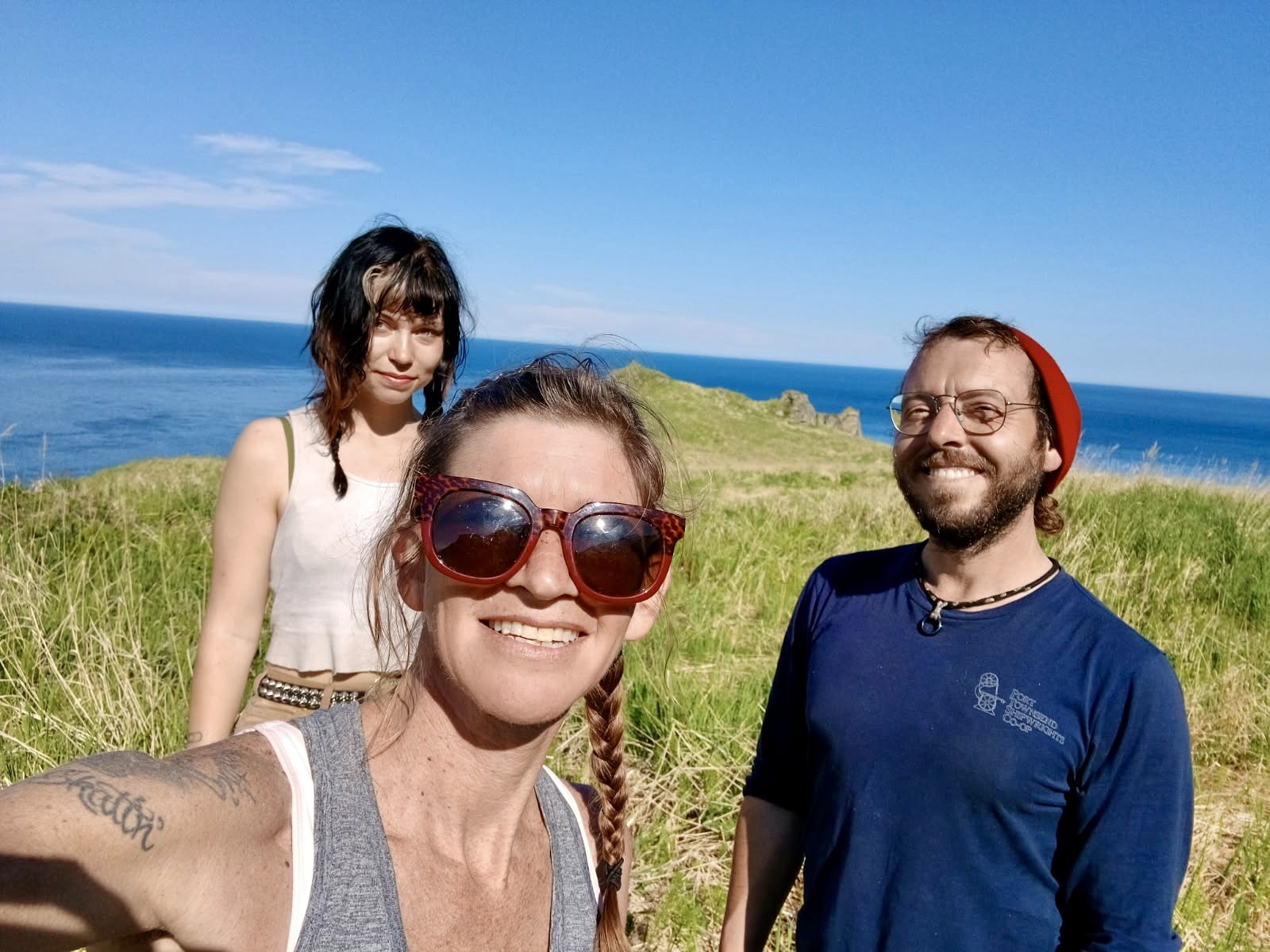
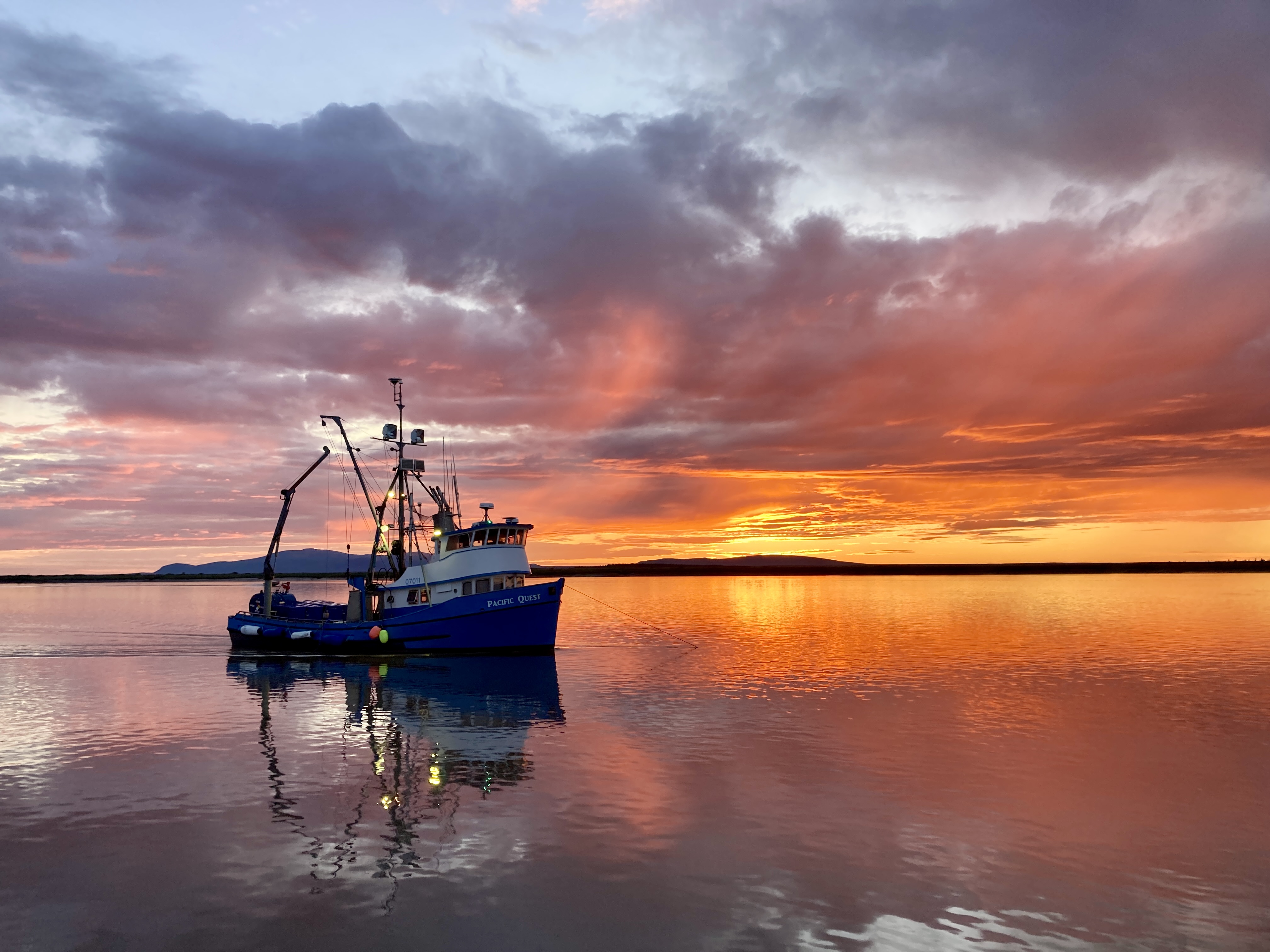
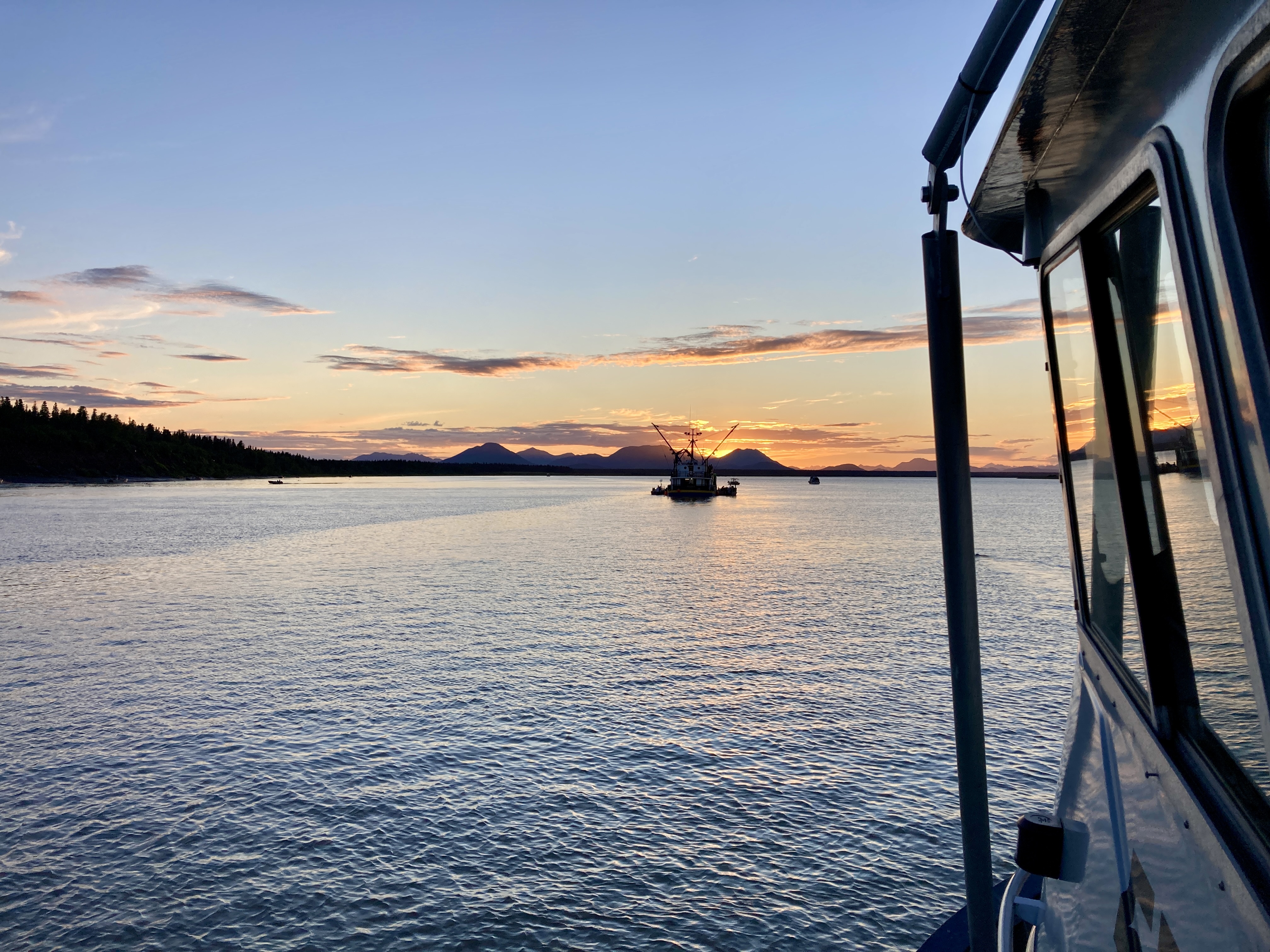
Top: Blankenship & his crew. Left: Pacific Quest, Wood River Special Harvest Area, King Cove, Bristol Bay setnet tender, Kenneth and Marlene in the early dawn. Right: Starling S, Wood River Special Harvest Area, Dillingham, Bristol Bay setnet tender, buying fish at sunset.
"During the last 10-ish years, we've had a lot of big swings in salmon seining," he explained, pointing to boom-and-bust pink salmon cycles, fluctuating fish prices and changing regulations. Tendering offered something seining couldn't.
"It's a signed contract for a flat rate of X dollars over X number of days. Barring catastrophe, it's baseline money that me and my crew can bank on before we go roll the dice in Kodiak."
The arrangement also allows his crew to finish Bristol Bay early enough to return south for much of Kodiak’s salmon season.
More than hauling fish
To many outside the industry, tender boats simply transport fish from fishermen to processors. Blankenship laughs at that description.
“We’re a fish bus,” he said.
In reality, the job is considerably more involved. Tender crews act as the official buyers for processing companies, weighing each delivery, checking fish quality, recording harvests, chilling salmon in refrigerated seawater and transporting catches back to shore-based or floating processing plants.
But that’s only part of the work.
Tender boats also deliver fuel, ice, groceries, mail, ATV parts, trailers, gear, and everything else fishermen need during the season. They loan tools, provide a sheltered place to tie up for a few minutes out of the weather, and often become an unofficial gathering point on the fishing grounds.
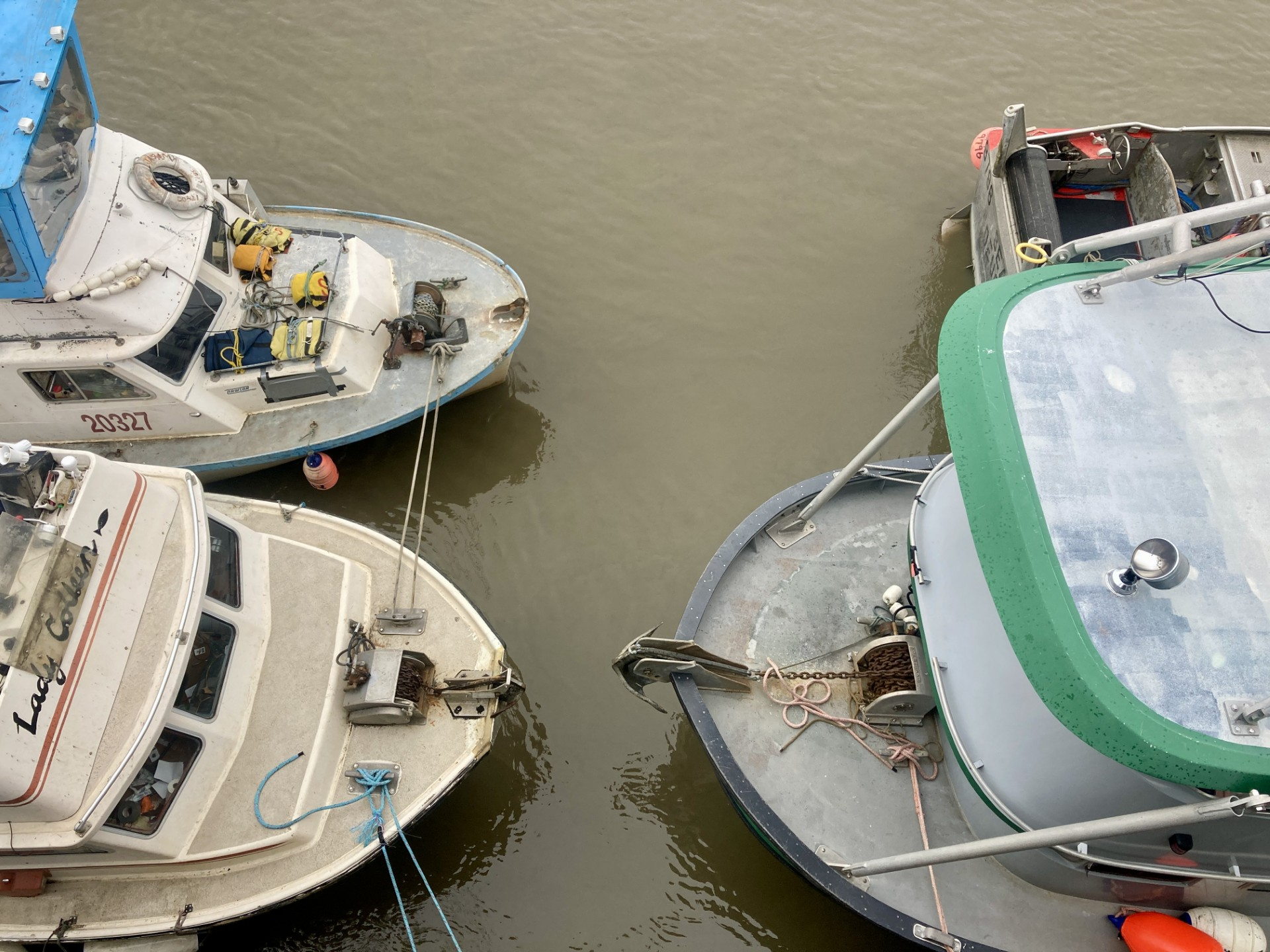
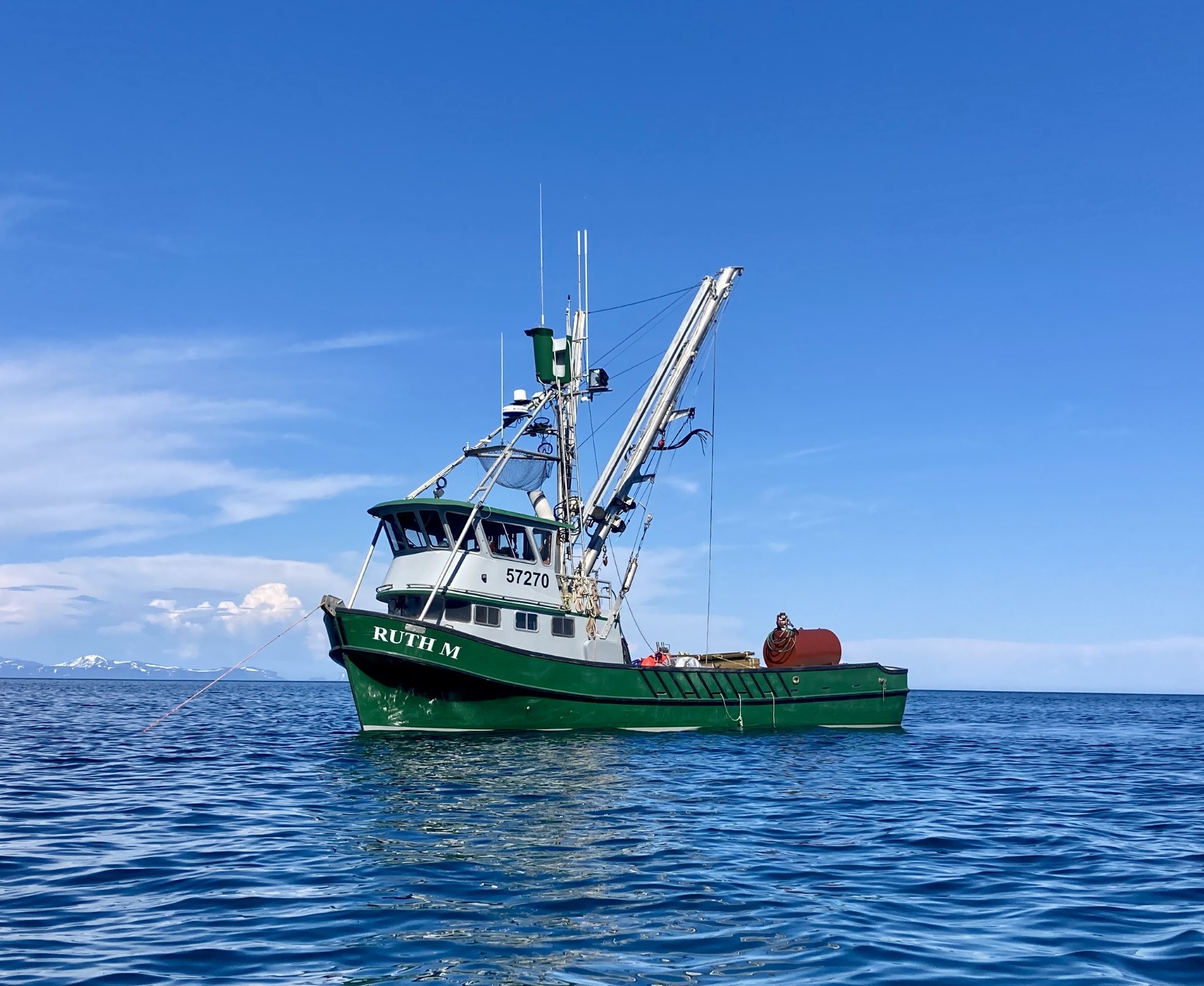
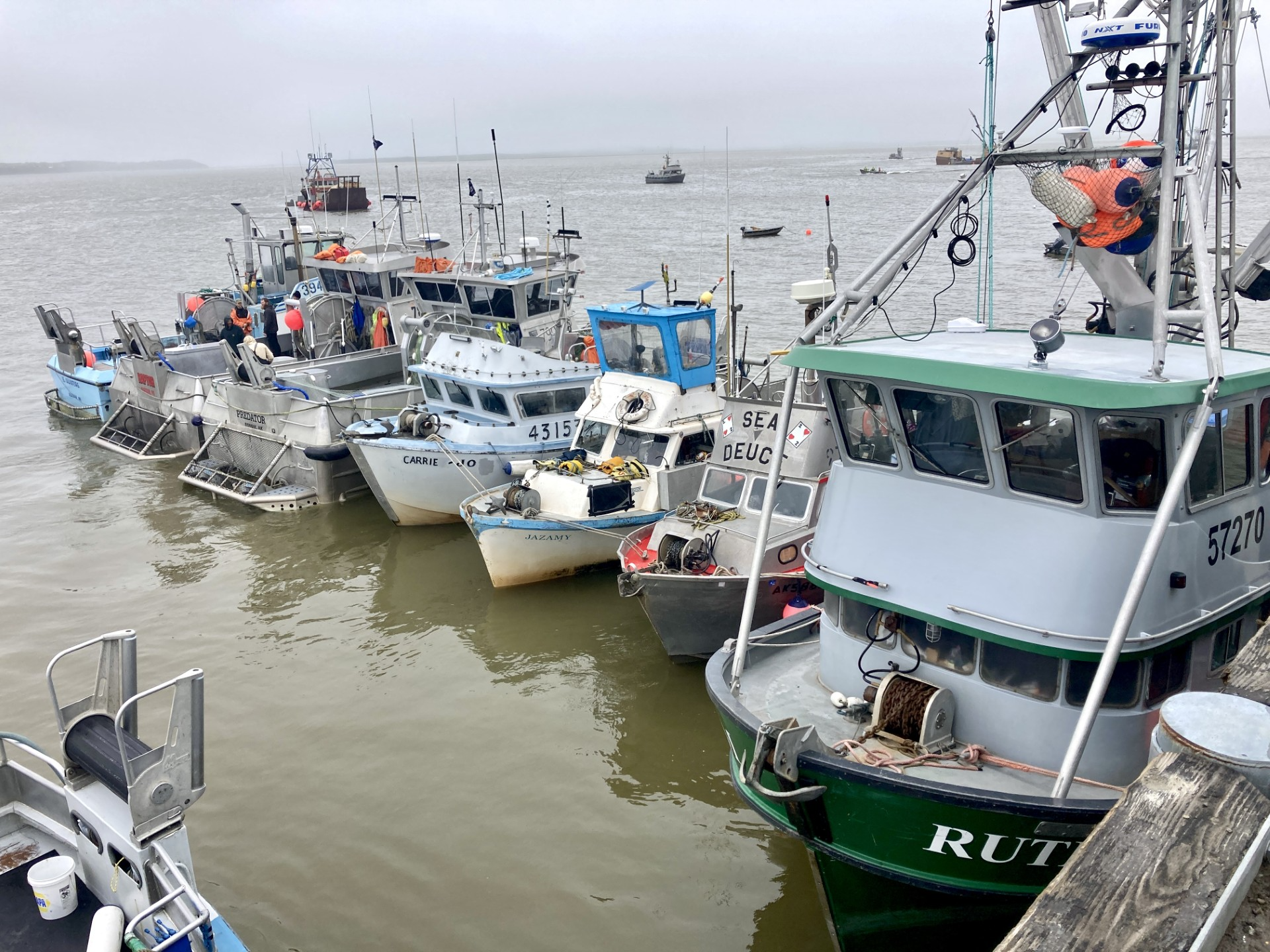
Top: RuthM in 2023 tied to the city dock in Egegik during a closure. Left: RuthM in 2024 on their way to Bristol Bay. Right: Blankenship's vessel, the RuthM, tied up with salmon boats.
"We act as a sort of mothership while they're on the water," Blankenship said. "Sometimes they just want to tie up for a minute, to stand on a slightly more solid deck with a bit more protection from the wind, waves and sideways rain."
As working fishermen themselves, Blankenship says his crew understands the urgency behind every delivery.
“The faster the delivery, the faster they get back to their plugged nets.”
Keeping fishermen fishing
Bristol Bay’s setnet fleet fishes differently than the region’s larger drift fleet.
Instead of operating from larger vessels, setnet fishermen typically work from open skiffs, running anchored gillnets stretched from shore into deeper water. Salmon are picked from the nets by hand and stored in large fabric brailer bags before being transferred to tenders.
During the busiest periods of the season, keeping those skiffs empty quickly becomes critical.
Recently, Blankenship’s crew accepted 52 deliveries from 39 permits during an eight-hour stretch, a personal record. He believes the role of tenders is becoming increasingly important as processing infrastructure consolidates across Alaska.
"It's a delicate balance for the processing companies to provide enough tender support for their fleets to be safe and successful without having too much unnecessary overhead," Blankenship said.
For smaller setnet operations with limited fish-holding capacity, he said, having tenders nearby can make or break a season during the peak of the run. It also provides an added margin of safety when Bristol Bay's weather changes rapidly.
While fishermen naturally want processing costs to be kept low to maximize ex-vessel prices, Blankenship said quality tender operators also need sustainable wages to maintain aging vessels and equipment.
"Most of us are utilizing 30- to 50-year-old boats," he said. "My first seiner was 10 years older than me. My 'new' one is two years younger than me."
A muddy, fast-moving fishery
For all its productivity, Bristol Bay can be unforgiving.
Twenty-five-foot tides, strong currents, shallow bars and rapidly changing weather keep tender captains constantly alert.
"In Egegik, we regularly touched bottom while racing to make it over the various bars against the tide," Blankenship said.
"The different stages of tide drastically change the wave period and heights. What was 'fine' can, in a matter of minutes, become 'not fine.'"
Even experienced operators occasionally find themselves waiting for the next tide after settling onto a sandbar. Meanwhile, Bristol Bay’s silty water is notoriously hard on pumps and cooling systems, creating constant maintenance demands throughout the season.
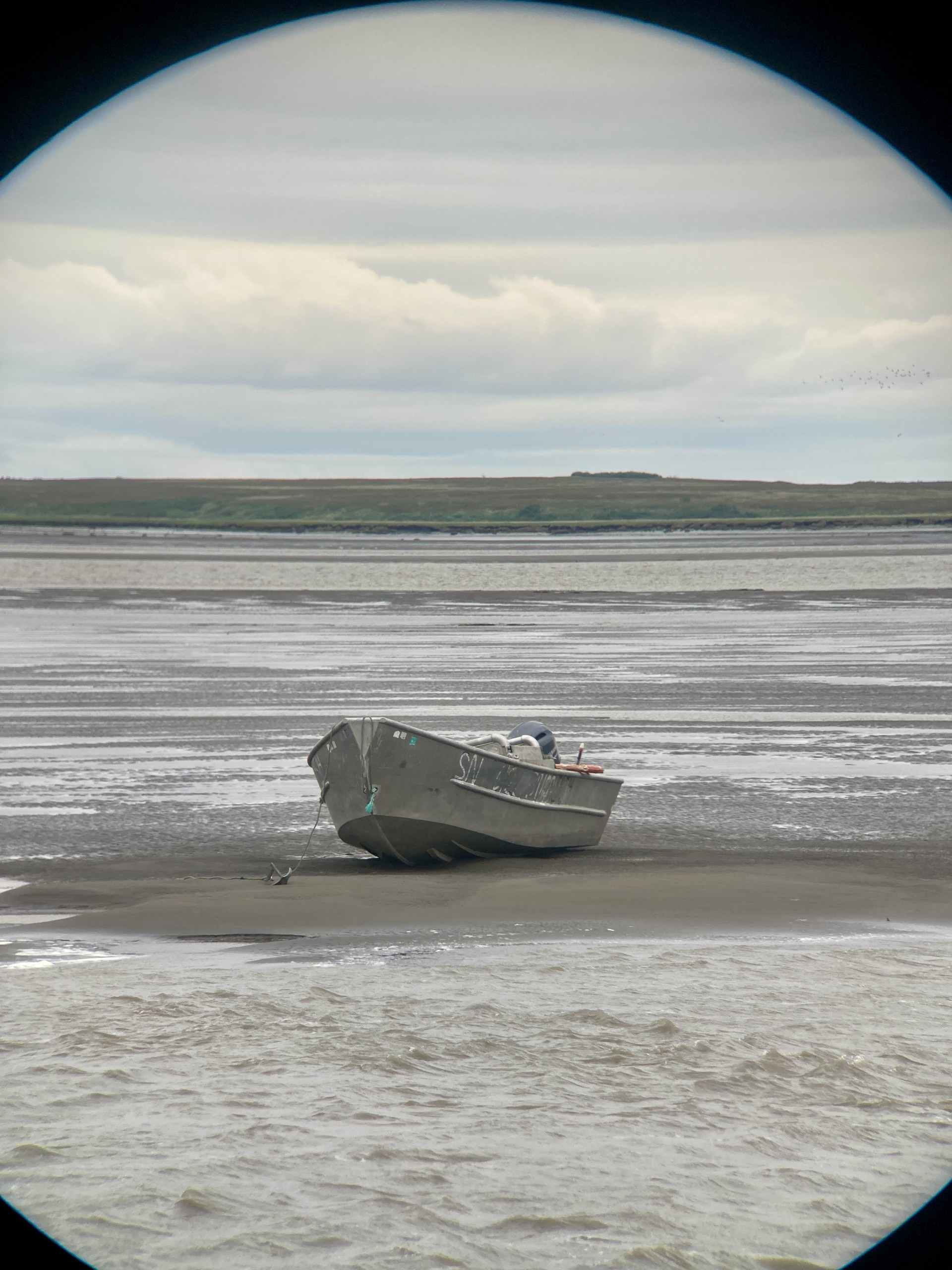
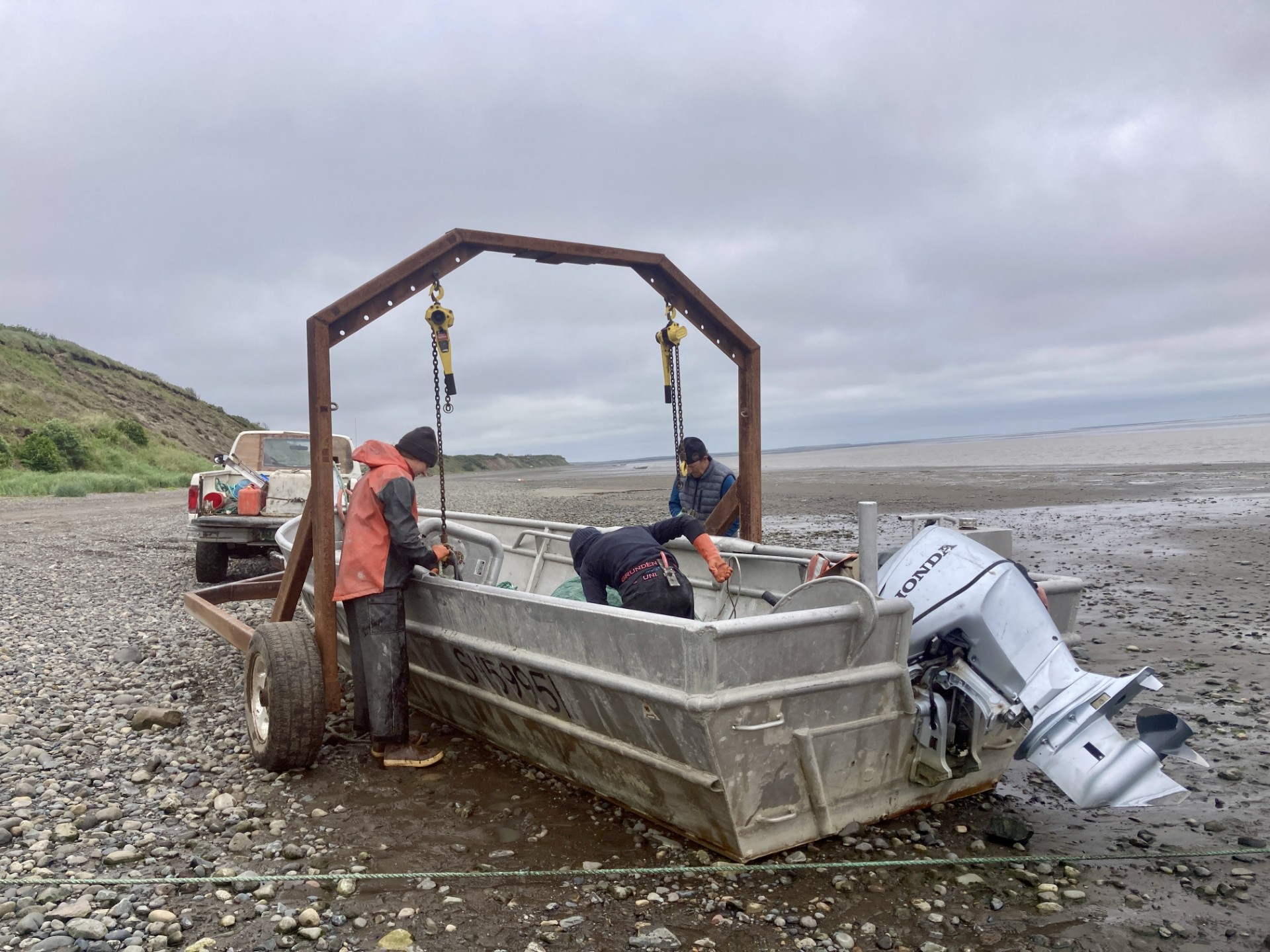
Top: “Parked” on a sandbar, Egegik, 2025. Bottom: Egegik setnetters in 2025 pulling one of their skiffs at the end of the season.
Blankenship sums up the work with a simple formula: 90% routine and mundane, 10% high stress.
Despite the long hours, unpredictable weather, and nonstop pace, Blankenship said the people keep him coming back. “My crew,” he shared without hesitation. Danielle has worked with him for 11 summers, while Macy is in her fourth season.
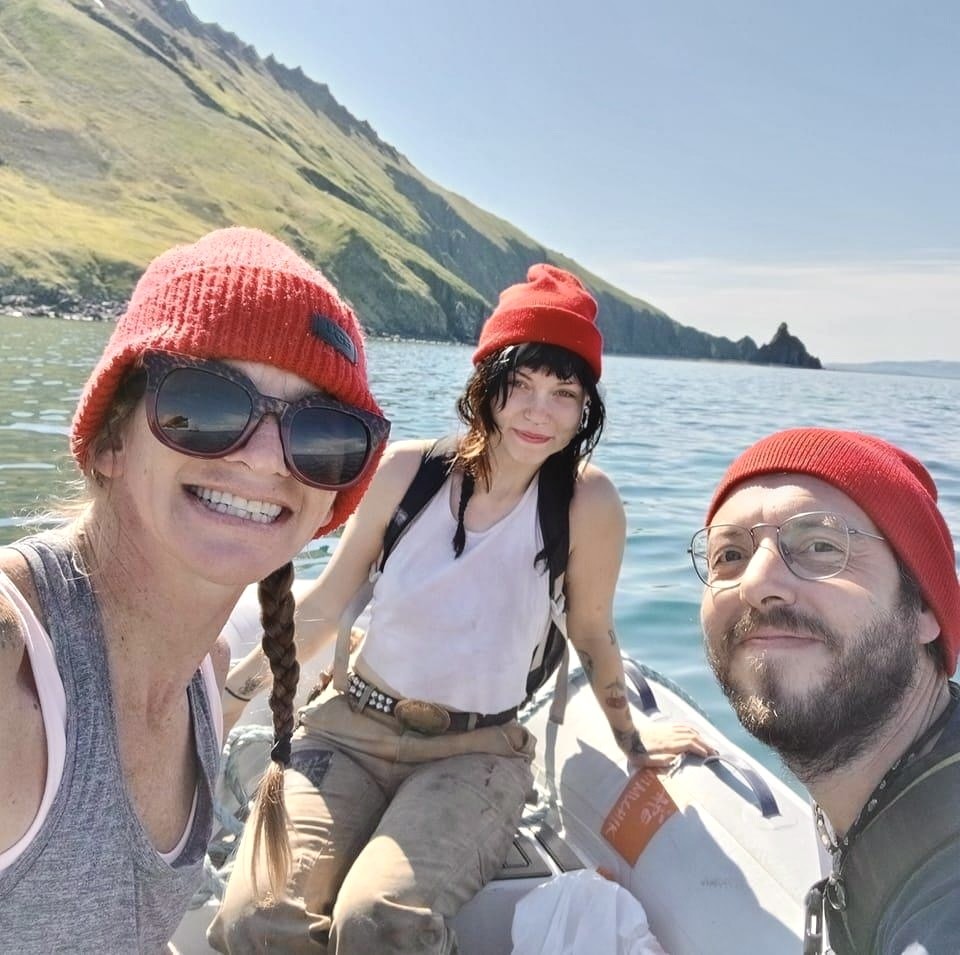
“We’re pretty dialed for the busy times.”
He also points to the friendships built over years with fishermen, tendermen, dock workers, and shoreside staff, along with the unforgettable sunrises and sunsets that come with another Alaska summer.
“Still laughing at the wackiness of the Bay season,” he shared.
From Bristol Bay to Kodiak
Once the Bristol Bay season winds down, Blankenship and his crew head south to Kodiak, where the pace shifts dramatically.
He describes Bristol Bay as "a short-lived, muddy, fever dream," filled with erratic naps, anchor alarms and constant radio chatter.
Kodiak, by comparison, offers a longer, steadier rhythm.
"It's often a long steady grind," Blankenship said. "Weather happens, and breakdowns happen, but there will usually be more fish to catch."
For Blankenship, that contrast is exactly what makes the split season work. One fishery provides stability, and the other provides opportunity.
Together, they represent the often-unseen network of fishermen, tenders and processors whose work keeps Alaska’s salmon industry moving, one delivery at a time.