NOAA Fisheries is highlighting decades of collaboration between commercial fishermen, state agencies and federal fishery managers as a driving force behind sustainable fisheries and stronger coastal economies in the Gulf of America, part of an eight-part series commemorating the 50th anniversary of the Magnuson-Stevens Fishery Conservation and Management Act. According to NOAA, the Gulf supports the nation's second-largest commercial fishing revenue and a $20 billion annual fishing economy, with partnerships across the region helping balance commercial and recreational fisheries management.
Key takeaway
NOAA Fisheries says collaboration among commercial fishermen, state agencies and federal fishery managers is supporting sustainable Gulf fisheries, improved data collection and stronger coastal economies.
The feature points to several examples of collaborative management, including improvements to fisheries data collection, joint fishery-independent surveys and coordinated efforts between NOAA Fisheries, the Gulf Fishery Management Council and Gulf states.
One example is the Gulf Fishery Independent Survey of Habitat and Ecosystem Resources (G-FISHER), launched through a partnership between NOAA Fisheries and the Florida Fish and Wildlife Research Institute. Since standardizing survey methods in 2019, annual sampling has expanded from roughly 600 to 700 sites to approximately 2,000 sites each year. NOAA says the data have supported 37 stock assessments covering 20 species.
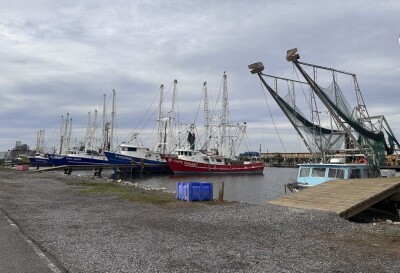
The agency also highlighted management of the Gulf shrimp fishery, the largest shrimp industry in the United States. Annual coordinated shrimp closures between Texas, the Gulf Council and NOAA Fisheries allow shrimp to reach larger, more marketable sizes while reducing waste and bycatch.
While describing the fishery as sustainably managed, NOAA acknowledged the Southeast shrimp industry continues to face long-term economic challenges. To address those concerns, the agency launched its Shrimp Futures Initiative, which combines scientific research with input from shrimp fishermen and fishing communities to identify barriers to profitability and strengthen the industry's long-term resilience.
According to NOAA, the initiative includes economic analyses, increased outreach with industry representatives, and greater collaboration with state and federal partners.
Looking ahead, NOAA said it plans to continue modernizing fisheries data collection through new recreational fishing data systems, expanded use of technologies such as artificial intelligence, machine learning and environmental DNA, and additional workshops focused on the future of Gulf shrimp fisheries.
The agency also said it is increasing efforts to support domestic shrimpers by strengthening enforcement of the Seafood Import Monitoring Program, coordinating with the U.S. Trade Representative and U.S. Customs and Border Protection, and exploring emergency trade relief options with the U.S. Department of Agriculture.
NOAA said those efforts are intended to improve economic opportunities for commercial fishermen while ensuring Gulf fisheries remain resilient for future generations.