

After operating under a reduced quota for the 2026 season, commercial harvest of greater amberjack in federal waters of the Gulf of America will close at 12:01 a.m. local time on Aug. 8.
The closure will remain in place through Dec. 31, with the commercial season reopening Jan. 1, 2027.
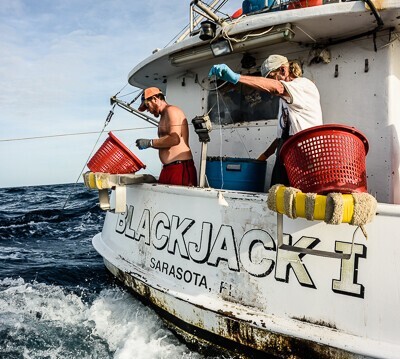
While the Gulf's greater amberjack fishery is relatively small compared to many other federally managed fisheries, it remains an important component of the Gulf reef fish fleet. Commercial fishermen typically target greater amberjack using handlines and electric or hydraulic reels while fishing for a mix of reef fish species. The fishery generates roughly $1 million annually in dockside value but has operated under increasingly restrictive catch limits as managers work to rebuild the stock.
According to NOAA Fisheries, the closure was triggered after landings data indicated the commercial fleet would reach this year's adjusted annual catch target.
The reduced quota stems from a relatively small overage during the 2025 fishing year. Commercial fishermen landed 109,184 pounds of greater amberjack last year, exceeding the annual catch limit of 101,000 pounds by 8,184 pounds. Under federal accountability measures, NOAA Fisheries was required to deduct that overage from the following year's allocation.
As a result, the agency reduced the 2026 commercial annual catch limit to 92,816 pounds and lowered the commercial annual catch target to 85,746 pounds in February. NOAA said current landings projections show that target will be met, requiring the fishery to close under existing regulations.
The commercial fishery receives roughly 20% of the total allowable catch for Gulf greater amberjack, with the remaining allocation reserved for the recreational sector. The fishery has contracted significantly from historical harvest levels as rebuilding measures have become more restrictive.
NOAA Fisheries said the closure is necessary because the Gulf greater amberjack stock remains classified as overfished, meaning the population is below the level needed to support maximum sustainable yield.
During the closure, vessels holding a federal Gulf reef fish commercial permit may not commercially harvest greater amberjack from federal Gulf waters. Fish harvested after the closure takes effect may not be purchased, sold, traded or bartered. However, dealers and processors may continue selling legally harvested greater amberjack that were landed and placed into cold storage before the Aug. 8 closure.
The commercial fishery will reopen with the start of the 2027 fishing year on Jan. 1, unless future federal management actions change the schedule.