A sweeping federal permitting reform bill is drawing opposition from commercial fishing advocates who warn it could weaken environmental protections, limit public input, and open the door to industrial development that threatens fishing grounds.
The Bipartisan American Affordability and Jobs Act (BAAJA), S. 5653, advanced in the U.S. Senate this week after lawmakers voted 70-27 to invoke cloture, a procedural step that limits further debate and moves the legislation closer to a final vote. The vote does not mean the bill has passed.
Sarah Schumann, a commercial fisheries advocate with Fishery Friendly Climate Action, has urged fishermen to contact their senators, warning that the legislation could significantly reduce opportunities for public participation, state oversight and Tribal consultation in federal permitting decisions.
The bill proposes changes to the National Environmental Policy Act (NEPA) and Clean Water Act, including shorter public comment timelines and restrictions on legal challenges to federal permitting decisions.
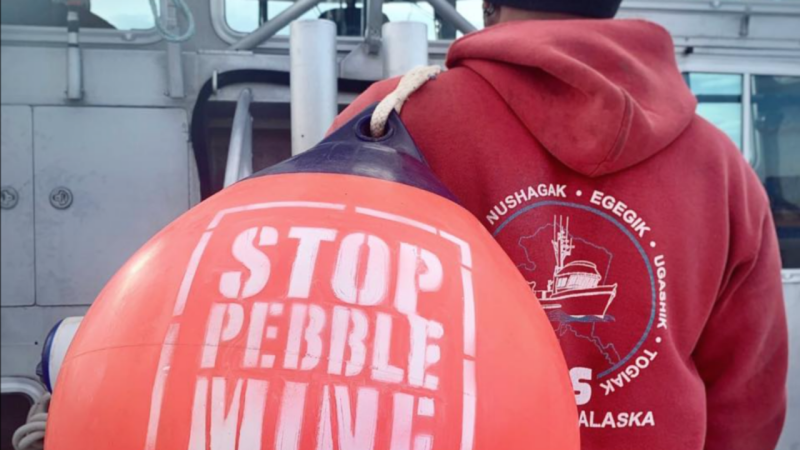
In Alaska, the Bristol Bay Fishermen’s Association (BBFA) has raised concerns about how the legislation could affect protections against the proposed Pebble Mine.
In a Nov. 15 letter to U.S. senators, BBFA President Luke Peterson warned that changes to NEPA could exempt future Pebble Mine proposals from federal environmental review because the project is located on state land and receives little or no federal funding.
The association also argued that proposed changes to Section 404(c) of the Clean Water Act could limit the Environmental Protection Agency’s authority to restrict future mining proposals that threaten Bristol Bay's salmon habitat.
The EPA issued protections for the Bristol Bay watershed in 2023, restricting certain mining-related discharges associated with the Pebble deposit. BBFA argues that the permitting bill could undermine the agency's ability to impose similar restrictions on future proposals.
Beyond Bristol Bay, fishing advocates worry the legislation could make it harder for fishermen to challenge offshore energy projects, mining operations and other industrial developments affecting marine ecosystems and working waterfronts.
BBFA has called on lawmakers to oppose the legislation and return it to the relevant congressional committees for further consideration. Industry is encouraging fishermen to contact their senators before additional votes take place.