

The U.S. Fish and Wildlife Service has designated approximately 3,814 river miles of critical habitat across 17 states for four freshwater mussel species — rayed bean, sheepnose, snuffbox, and spectaclecase — all listed as endangered since 2012.
The designation covers waterways in Alabama, Arkansas, Illinois, Indiana, Iowa, Kentucky, Michigan, Minnesota, Mississippi, Missouri, New York, Ohio, Pennsylvania, Tennessee, Virginia, West Virginia, and Wisconsin.
All four species face threats from dam construction, channelization, pollution, and competition from invasive species. Freshwater mussels are among the most imperiled groups of animals in North America, with roughly 70 percent of the approximately 300 native species considered endangered, threatened, or of conservation concern, according to the U.S. Geological Survey. The animals serve as indicators of stream health and help maintain water quality by filtering food, sediment, and pollutants from the water.
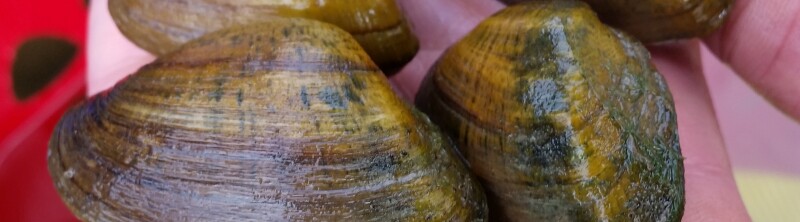
The population declines among the four species have been severe. The rayed bean, a small mussel reaching only about 1.5 inches, was historically found in at least 115 streams and rivers but has declined to just 37. The sheepnose, which can grow up to 5.5 inches and live as long as 30 years, once ranged across 79 waterways and now occupies only 22. The snuffbox historically inhabited more than 210 streams and rivers; today it is found in 85. The spectaclecase, which can reach 9 inches in length and live more than 100 years, has seen its range decline by 60%, from 61 rivers and streams to about 40.
Critical habitat designation does not affect land ownership, create protected areas, or authorize public access to private land. However, it can affect development or other actions that involve federal agencies in planning, permitting, or implementation.
The final rule is available at regulations.gov under docket number FWS–R3–ES–2024–0144.