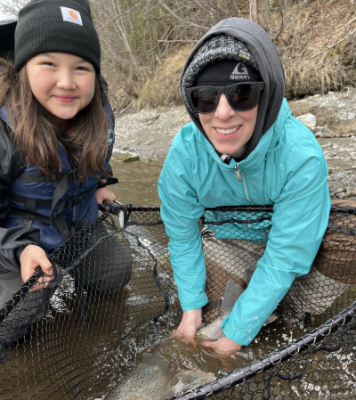


In an era when the commercial fisheries industry is growing more concerned about the graying of the fleet, Alaska Sea Grant workshops are attracting a new generation of harvesters.
"Our beginning commercial fisherman training encompasses a lot of training programs," said Gabe Dunham, Marine Advisory Program (MAP) leader and fisheries specialist for Alaska Sea Grant in Juneau. "The skipper apprenticeship program is taught in Bristol Bay to help youths there become skippers," he said.
A crew training workshop for late middle school and high school students in Hoonah, on the northeastern shore of Chichagof Island in Southeast Alaska, was offered in April in collaboration with the Hoonah Indian Association, as was one in Metlakatla, an Indian reserve within Southeast Alaska's Inside Passage. Another is scheduled for May 7, plus more crew training on June 8 in Petersburg, on the northern tip of Mitkof Island, also within the Inside Passage.
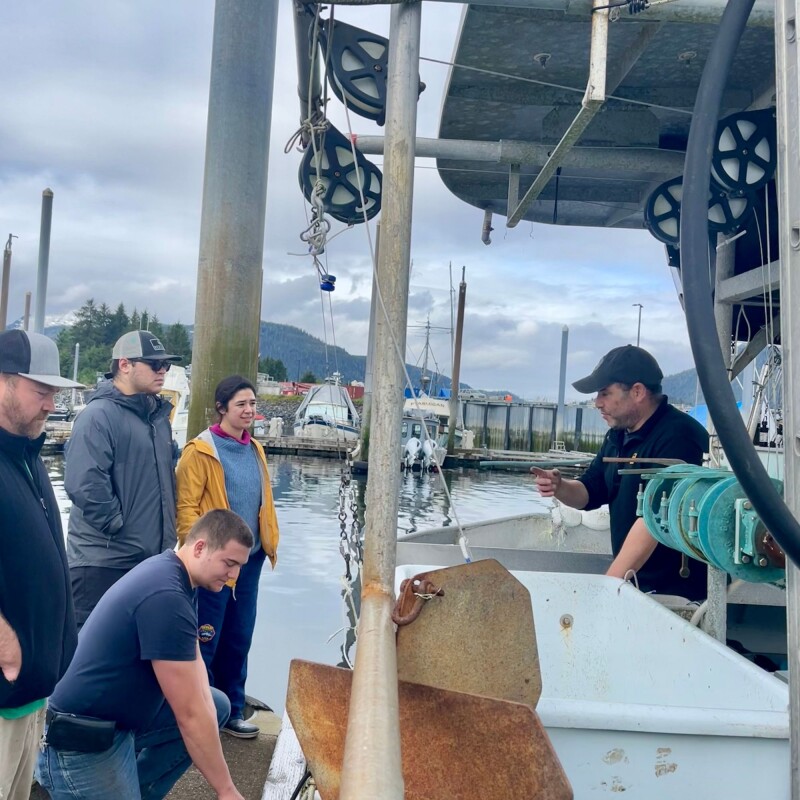
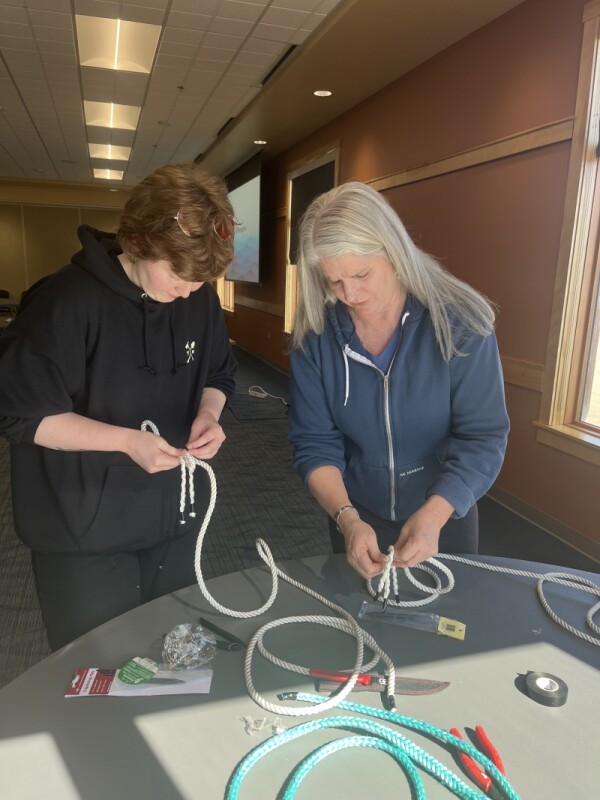
MAP instructors offer a combination of lectures and skills training ranging from knot tying and line splicing to mechanical skills. Participants learn how to make an electrical connection, tighten nuts and bolts, and identify four different chemicals commonly found on fishing vessels. A navigation activity teaches U.S. Coast Guard rules of the road for those operating on coastal waters.
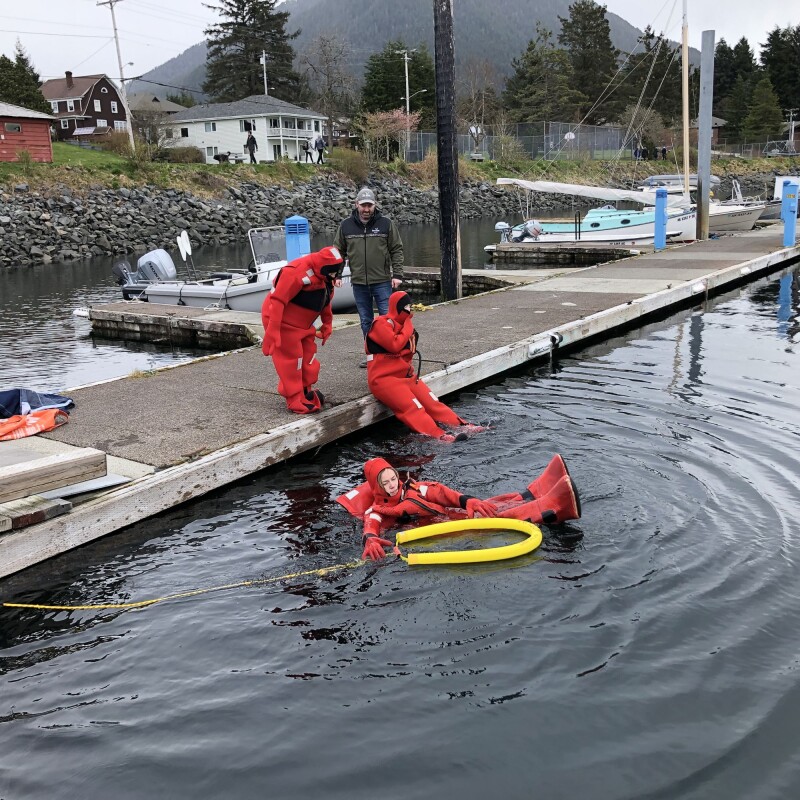
Safety is also emphasized, using educational tools developed by the Alaska Marine Safety Education Association (AMSEA) in Sitka, which Alaska Sea Grant was instrumental in founding in 1985. AMSEA's focus on marine safety, survival, and first aid training for commercial fishermen, mariners, and coastal communities is taught annually in workshops across Alaska and other states.
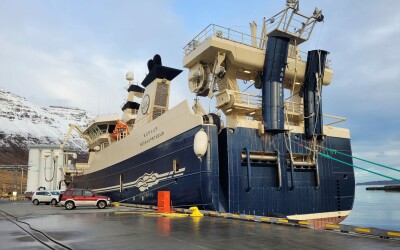
Crew classes include tours of a commercial fishing vessel with a local captain and discussion about a typical day on the water. "Our goal is to give a young person who may not be familiar with the fishing industry an idea of what working in the commercial fishing industry looks like, how to be safe on the water and how to connect with people in the community," Dunham said.
Lectures during crew training cover drug and alcohol use, living on the water, self-care, appropriate clothing, conflict management, and self-employment.
There is also instruction on cooking aboard a vessel, including the importance of a balanced diet, galley cleanliness, and cooking in rough weather. MAP instructors discuss tool safety, checking fluids such as engine oil, and safety around hydraulics and machinery.
Some classes include drill conductor training, and those who complete it earn a certificate confirming course completion.
One rule of thumb emphasized across all classes is that being on a boat is like being on a spaceship, Dunham said. "You are surrounded by an environment that does not support human life."
Beyond the basics, Alaska Sea Grant also conducts workshops in seafood processing and product development, business planning, and sanitation control.
MAP endeavors to work with high schools in coastal communities statewide. In Dillingham in Southwest Alaska, the program collaborates with the Bristol Bay Regional Career and Technical Education Consortium as part of the Skipper Apprenticeship Program.
Nationwide, there are 34 Sea Grant programs — one in every coastal state, plus Guam and Puerto Rico. The network is funded through NOAA and administered by land-grant universities or consortiums. Fishery-focused Sea Grant professionals meet regularly through the Fisheries Extension Network. Young fisherman training programs are offered in California, Georgia, North Carolina, Texas, and Washington.
Along with training for young fishermen, Alaska Sea Grant offers a variety of other classes, from sanitation control procedures for seafood processors and seafood product development to a Scaled Seafood workshop series centered on business planning, using tools developed with Washington Sea Grant.
Processors often send employees to BAADER workshops, which provide specialized hands-on training focused on operating, maintaining, and troubleshooting BAADER fish processing machinery. Conducted in partnership with the Alaska Research Consortium, these workshops enable seafood processing technicians to maximize equipment life, improve filleting yields, and perform in-house repairs on high-speed gutting and filleting machines to reduce costly downtime. BAADER refers to the BAADER Group, a German manufacturer of industrial fish processing machinery founded by Rudolf Baader in 1919.
One of Alaska Sea Grant's newest workshops, designed for established business owners, has three parts: education on financing, taxes, and risk management, including insurance and safety culture aboard fishing vessels.
Many of the training sessions are collaborative, including those conducted with the Alaska Longline Fishermen's Association in Sitka.
The AK Onboard program focuses heavily on crew training, with skills workshops, lectures, and marine safety instruction during boat tours with local skippers. To date, Alaska Sea Grant has conducted these programs in Bristol Bay, Kodiak, Petersburg, and Sitka.