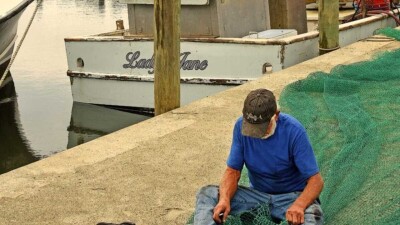

There is a certain pride, deserved, that fishermen take in their work, because it’s so hard, and often painful. For some, though, the way of coping with the painful part is by taking readily available opioids, with often debilitating or deadly results. Such was the case with Gabe Johnston, who died of an overdose in 2022 when he thought he was taking one drug, but it turned out to be fentanyl.
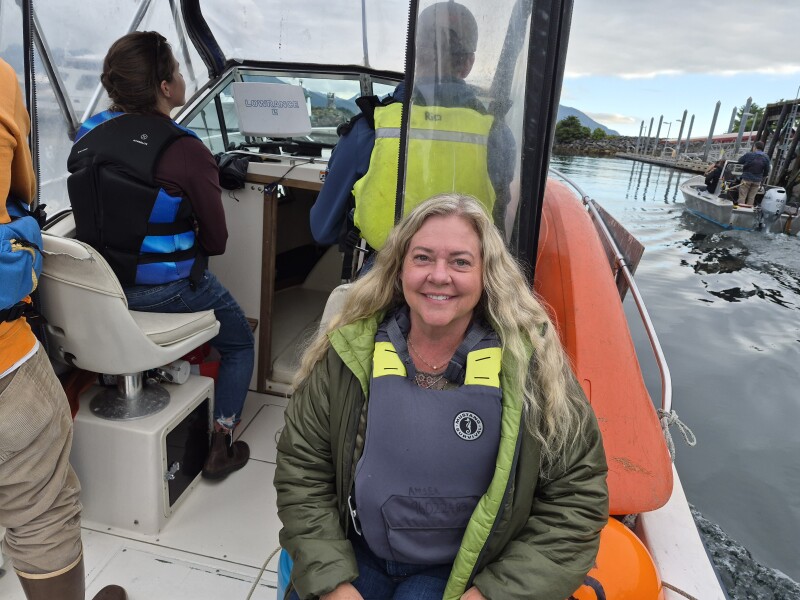
His stepmother, Registered Nurse Denise Damewood of Sitka, Alaska, started Project Gabe to help save the lives of others who might overdose. “We’ve joined with AMSEA, the Alaska Marine Safety Education Association, to offer training in rescue breathing and how to administer naloxone, which is also known as Narcan,” says Damewood.
“We realize that there is a lot of information out there,” says Damewood. “But nothing really in the language of fishermen. How to recognize when someone is overdosing, how to administer care in the confines of a boat, and how to make an emergency call.” Project Gabe aims to provide that for fishermen, as well as guidance on how to cope with the demands of the job
At 12:30 local time on November 19, AMSEA and Project Gabe will conduct a training at the Pacific Marine Expo in Seattle. Participants will receive AMSEA certification in overdose education and Naloxone training, qualifying them as a distributor; a free opioid overdose dry bag with Naloxone, PPE, and resources (for individuals and vessel captains who complete the class); and fishermen-specific pamphlets on behavioral health, family support, pain management, and injury prevention.
In addition to the early response strategy for an opioid overdose, Project Gabe promotes numerous methods of self-care to help fishermen avoid choosing drugs.
“Fishermen are athletes,” says Damewood. “They need to stretch and warm up before they work. But nobody is Superman. Pain has to be managed, and we distribute pamphlets with information to help fishermen do that.”
The pamphlets that Project Gabe distributes include one on chronic pain management using natural supplements, and simple strategies like the RICE method—rest, ice, compression, elevation—when possible. Other pamphlets offer valuable information on physical restoration and safeguarding one’s mental health. The mental health pamphlets list numerous stress-reduction techniques that often use the repetitive work involved in fishing to help relax the mind.
“And we have one on yoga for fishermen,” Damewood says.
But if none of that works, and a captain or crewman has an emergency on board, Damewood notes that Good Samaritan laws that protect first responders on land do not apply on the high seas. “But Coast Guard regulations require you to render aid if someone’s life is in danger.”