




Atlantic menhaden management could face another major discussion this fall, this time over how the coastwide catch is divided among East Coast states.
The Atlantic States Marine Fisheries Commission (ASMFC) is expected to consider in November whether to begin a process to reallocate state menhaden quotas, according to the Theodore Roosevelt Conservation Partnership (TRCP), which is pushing for changes to a system based largely on historical landings.
TRCP argues the current allocations no longer reflect where menhaden are being found or how fishermen use the resource today.
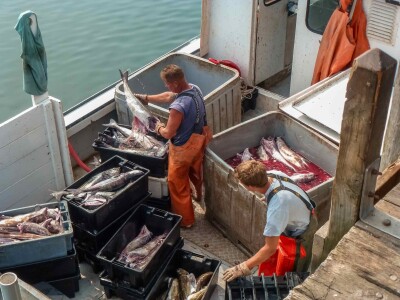
Virginia receives more than 75 percent of the state allocation, supporting the East Coast's only remaining large-scale menhaden reduction fishery, operated by Omega Protein and supplied by Ocean Harvesters. Farther north, menhaden are an important bait source for lobster, crab and other commercial fisheries, with states relying in part on set-asides and quota transfers to meet demand.
"More balanced state allocations would strengthen bait supply, reduce dependence on temporary quota transfers, and better distribute the economic benefits of this resource along the Atlantic," said Jaclyn Lunaas, forage fish program manager for TRCP.
The organization points to increasing concentrations of menhaden in New England waters as another reason to reconsider allocations. Menhaden, also known as bunker or pogies, are also an important forage species for striped bass, bluefish, tuna, marine mammals and seabirds.
The potential reallocation discussion comes as ASMFC is already considering other changes to menhaden management, particularly in the Chesapeake Bay.
At its Aug. 4 meeting, the Atlantic Menhaden Management Board advanced Draft Addendum II to Amendment 3 for public comment. Among the options are reducing the current 51,000-metric-ton Chesapeake Bay reduction fishery cap, tying the cap to future changes in the coastwide total allowable catch and establishing seasonal quota periods.
Conservation and recreational fishing groups have argued that reduced menhaden availability in parts of the Bay is affecting predators and bait fishermen. TRCP says reallocating more harvest to other states could help distribute fishing pressure more evenly along the coast.
The causes of localized menhaden availability in the Chesapeake, however, remain debated. Recent research considered by managers has not established that reduction fishing near the mouth of the Bay prevents menhaden from moving farther north, with researchers also pointing to environmental conditions that could influence their distribution.
ASMFC is also expected to revisit the coastwide total allowable catch for 2027 and 2028 in November. Managers approved a 20 percent reduction last year following a stock assessment update that revised estimates of menhaden biomass downward.
.jpg.small.400x400.jpg)
