


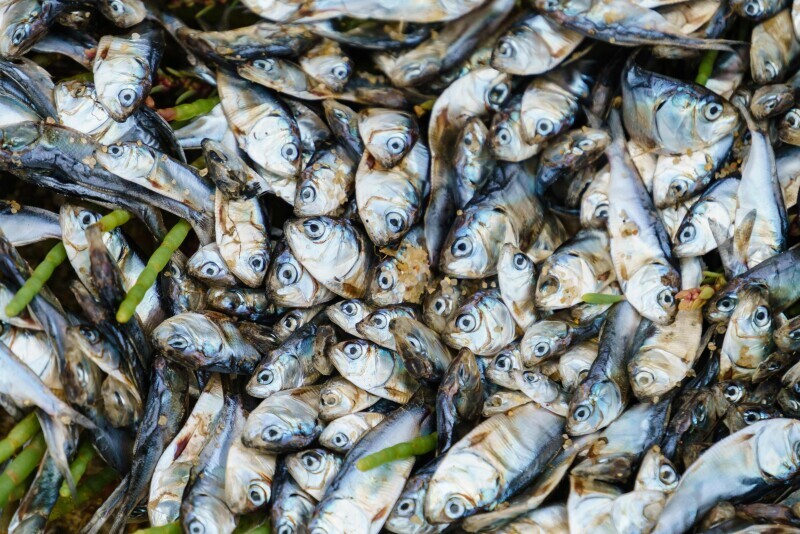
Commercial fishermen from Maine and Virginia are calling on fisheries managers to maintain the Atlantic menhaden quota for 2027, arguing that additional reductions could threaten fishing families and coastal communities that depend on the species.
In a new video produced by the New England Fishermen's Stewardship Association (NEFSA), Maine fishermen Dustin Delano and Jim Wotton join Ben Landry, a spokesperson for Virginia's menhaden reduction fishery, to discuss the industry's economic importance and the potential consequences of further restrictions.
The video, highlighted in a Nov. 5 release from the American Small Pelagics Network, comes as the Atlantic States Marine Fisheries Commission (ASMFC) prepares to consider coastwide menhaden quotas for 2027 through 2029.
"We're all commercial fishermen," said Wotton, a fisherman from Friendship, Maine. "I think we need to stick together. We need to work together."
The ASMFC reduced the coastwide Atlantic menhaden total allowable catch by 20 percent for 2026. According to the commission's latest stock assessment, Atlantic menhaden are not overfished, and overfishing is not occurring.
The commission uses ecological reference points in managing the fishery, an approach designed to account for the needs of predator species that rely on menhaden as forage. When the 2026 quota was adopted, managers projected a 0 percent probability of overfishing under the new limit.
Wotton argued that fishermen should have an opportunity to evaluate the effects of the existing reduction before additional cuts are considered.
"I think we need status quo right now," Wotton said in the video. "I think we leave it where it is and we can work something out with the different sectors of the fishery."
Menhaden serve different purposes along the Atlantic Coast. In Maine and other New England states, the species provides an important bait source for the lobster industry. Farther south, Virginia's menhaden reduction fishery supplies fishmeal and fish oil while supporting commercial fishing crews, processing workers, and businesses in the Northern Neck region.
Landry emphasized the importance of the Virginia fishery to the surrounding community, where commercial fishing has supported generations of families.
"If you've not been to the Northern Neck of Virginia, the menhaden facility there and the fishing operations is the lifeblood of the Northern Neck," Landry said.
He warned that additional restrictions could have consequences beyond the vessels themselves, affecting workers and families in a rural coastal region with limited alternative employment opportunities.
The push to maintain existing quotas comes amid continued scrutiny of menhaden management, particularly in the Chesapeake Bay, where conservation groups and some recreational fishing interests have called for stronger protections for the forage species.
Those advocating additional restrictions have raised concerns about the availability of menhaden for predators, including striped bass and osprey, and have urged managers to consider the ecological effects of fishing pressure within the bay.
Commercial fishing representatives, meanwhile, have pointed to the coastwide stock assessment and existing management measures in arguing against further reductions.
Delano, NEFSA's chairman and chief strategist, said maintaining access to the resource is important for the next generation of fishermen.
"Fishermen rely on these fisheries for future generations," Delano said. "But we need to take advantage of this fishery when it's here."
The fishermen featured in the video are urging the ASMFC to maintain the current quota while ensuring that commercial fishing communities have a voice in future management decisions.
Their message is that although Maine's lobster bait fishery and Virginia's reduction fishery operate differently, both depend on continued access to Atlantic menhaden and the economic opportunities the resource provides.
The ASMFC's upcoming decisions on 2027-2029 fishing specifications will determine how much menhaden can be harvested coastwide over the next three years.
.jpeg.small.400x400.jpg)
