

After the collapse of controversial lobster gauge changes, managers are taking a different approach to the future of the Gulf of Maine and Georges Bank fishery. This time, they are starting with a broader question: What should lobster management be trying to accomplish?
The Atlantic States Marine Fisheries Commission (ASMFC) is beginning a process that is expected to bring fishermen and other industry members into the conversation before any new major management measures are proposed.
At the American Lobster Management Board's Aug. 4 meeting, ASMFC staff outlined how that process could work. Eventually, it could lead to what is known as a Management Strategy Evaluation (MSE), which essentially allows managers to test different management approaches on paper before putting them into practice.
But ASMFC isn't there yet.
First, managers want to hear from the industry about what the future of the fishery should look like and what needs to be protected, from the lobster resource itself to fishermen's businesses and coastal communities.
The discussion comes as managers continue to watch changes in the Gulf of Maine and Georges Bank lobster stock. The 2025 stock assessment found the stock was not depleted, but lobster abundance had fallen 34 percent from the high identified in the previous assessment.
That decline raised concerns and led the Lobster Board to begin looking at what might need to happen next.
Rather than immediately developing another set of regulations, however, ASMFC's Technical Committee recommended first figuring out what fishermen and managers actually want future management to accomplish.
ASMFC's Caitlin Starks called that a "critical first step" during the Aug. 4 meeting.
A different approach after Addendum XXVII
The change in approach follows the fight over Addendum XXVII, which called for gauge and escape vent changes aimed at protecting more spawning lobster.
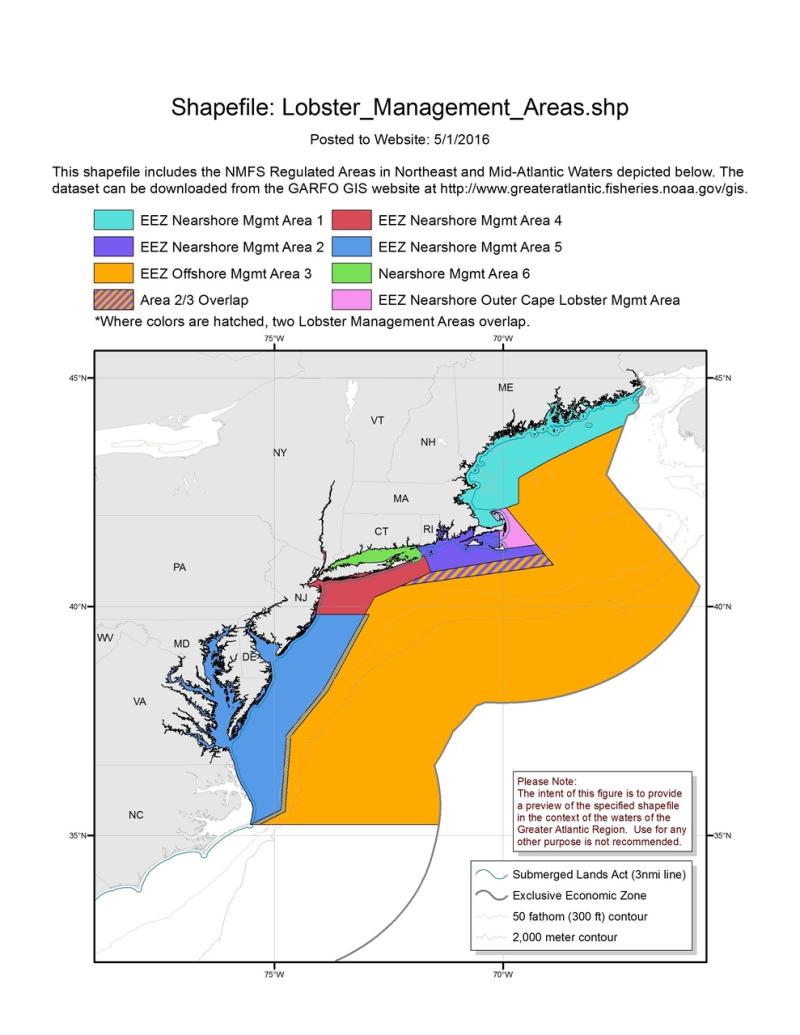
The plan would have gradually increased the minimum legal size in Lobster Conservation Management Area 1, followed by larger escape vents. It also would have eventually reduced the maximum legal size in Area 3 and the Outer Cape Cod area.
The measures faced strong opposition from the industry and were ultimately repealed.
But the concerns that led to Addendum XXVII haven't gone away.
At the Lobster Board's May meeting, ASMFC's Technical Committee presented modeling showing that the gauge changes could have increased lobster abundance and spawning stock over time.
For fishermen, however, there was an immediate tradeoff. Maine Department of Marine Resources analysis estimated that the first gauge increase could have reduced trip catch weight by roughly 7.4 to 8.9 percent during the first year.
That conflict, between protecting the resource over the long term and protecting fishermen's businesses today, is a major reason ASMFC is taking a broader look at management.
The group organizing the process has already identified several issues that may deserve more attention, including the economics of the fishery, fishing effort, impacts on fishing communities, differences between management areas and the relationship between the U.S. and Canadian lobster industries.
Who gets a seat at the table?
A major question now is who will be involved in those conversations.
ASMFC formed a 17-member steering committee in May, made up of Lobster Board members, scientists, Commission staff, economists and industry representatives.
The committee isn't deciding on new regulations. Its job is to figure out how the larger conversation with fishermen and other stakeholders should work.
That includes deciding who should participate, whether discussions should begin at the local level, how meetings should be organized and whether an outside facilitator should help run them.
The committee met for the first time in June and is expected to meet again in late August. Another meeting is planned for September or early October before recommendations are brought back to the Lobster Board.
Early discussions suggest fishermen will have a significant role.
Committee members have talked about starting with smaller local meetings before bringing people together regionally. There has also been interest in bringing Lobster Conservation Management Teams (LCMT) back into the process. LCMTs are an advisory group of local fishing industry representatives assigned to make rules and recommendations for that specific zone.
Gulf of Maine states start their own conversations
Some states aren't waiting for the larger ASMFC process to get underway.
Massachusetts' Bob Glenn told the board during the meeting that the state is rebuilding its LCMT roster, which had not been updated since 2006, and is seeking industry input before holding future meetings.
Maine has already begun similar conversations.
Maine Department of Marine Resources Commissioner Carl Wilson said the state has met with all seven Lobster Zone Councils and held two Lobster Advisory Council meetings in May and June. Maine also recently brought its LCMT members back together for what Wilson said was likely the first time in about 15 years.
Those conversations are already producing some smaller ideas.
One would increase the size of the biodegradable escape panel on lobster traps so lobsters can more easily escape lost gear once the panel deteriorates. Wilson said fishermen could make the change by clipping one additional mesh, with the requirement phased in over two years so traps could be modified during normal maintenance.
"It was supposed to be a very simple, common sense way to improve what happens to traps when they're lost," Wilson told the board.
Maine fishermen have also discussed putting more support behind lobster hatcheries, with Wilson noting a request for the University of Maine to help lead that effort.
Other ideas discussed since the gauge measures were repealed have included changes to harvest size windows, v-notching and release programs, hatcheries, vents and biodegradable panels.
None of those ideas has emerged as a replacement for Addendum XXVII, and ASMFC has not committed to moving ahead with a full MSE.
For now, the bigger change may be in how managers approach whatever comes next.
Rather than starting with another regulation, ASMFC shared that they are trying to start with fishermen and other stakeholders, asking what they want the Gulf of Maine and Georges Bank lobster fishery to look like in the years ahead and then figuring out how management can help get it there.