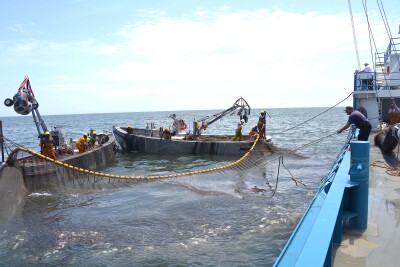
The Trump administration has rolled out a new federal seafood strategy aimed at increasing domestic production, rebuilding shoreside infrastructure, and strengthening the position of U.S. fishermen and processors against foreign competition.
President Donald Trump announced the America First Seafood Strategy as part of his administration’s implementation of the 2025 executive order, “Restoring American Seafood Competitiveness.” NOAA Fisheries will play a central role in carrying out the plan alongside the U.S. Department of Agriculture, Food and Drug Administration (USDA), and other federal agencies.
The strategy calls for expanding harvest opportunities where supported by science, reducing regulatory costs, investing in processing and waterfront infrastructure, strengthening seafood import enforcement and creating new ways to distinguish domestically harvested seafood in the marketplace.
“The species managed in U.S. waters are American icons, from Maine lobster to Gulf shrimp, from Alaskan salmon to Florida stone crab,” Commerce Secretary Howard Lutnick said in NOAA’s announcement. “The America First Seafood Strategy ensures that the future of seafood in the United States will be built by American fishermen, American workers, and American industry, not by foreign imports.”
Expanding domestic seafood
Under the strategy, NOAA will work with the regional fishery management councils and fishing industry to ensure catch limits reflect the best available science and identify opportunities to restore access to productive fishing grounds. The agency also plans to target compliance costs that it says do not advance conservation objectives.
One of the more visible proposals is a voluntary “U.S.-Caught Seafood” designation. NOAA will work with FDA and USDA on the designation, which would identify seafood harvested by American fishermen aboard U.S.-flagged vessels and under U.S. fisheries management.
Federal agencies also plan to expand the use of American seafood in government procurement and launch an “Eat American Seafood” campaign promoting domestic seafood, coastal jobs, food security and nutrition.
Fleet and waterfront investment
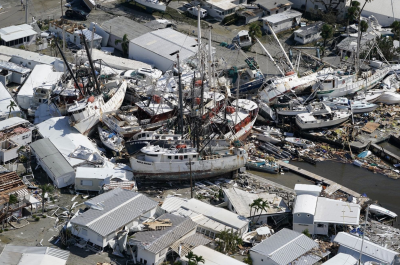
The strategy also puts an emphasis on rebuilding domestic processing and shoreside capacity. Federal agencies are directed to streamline permitting and reduce barriers to private investment in docks, working waterfronts, shipyards, cold and wet storage, and seafood processing facilities.
Existing financing programs through NOAA, USDA, and the Small Business Administration would be used to support vessel replacement, processing plant modernization, and equipment upgrades.
NOAA will specifically review its Fisheries Finance Program and Capital Construction Fund for obstacles that may discourage fishermen from investing in safer and more efficient American-built vessels.
Imports and illegal fishing
The administration is also targeting competition from imported seafood.
NOAA said it will continue implementing and improving the Seafood Import Monitoring Program, including the use of advanced tools to identify high-risk imports. The broader strategy calls for increased federal coordination against seafood fraud, mislabeling, and illegal, unreported, and unregulated fishing.
At the same time, federal agencies will work to improve reciprocal access to foreign markets for U.S. seafood exports.
Marine aquaculture is another piece of the plan. NOAA said it will work with permitting agencies to establish clearer standards and guidance for aquaculture development in federal waters, with the goal of creating greater predictability for domestic projects.
The strategy does not establish a new federal spending program. Instead, the administration says it will rely on existing programs and statutory authorities while focusing federal efforts on regulatory reform, coordination and investment.
For commercial fishermen, the strategy could ultimately affect everything from access to fishing grounds and vessel financing to seafood labeling, federal purchasing and competition with imports. NOAA said progress will be measured through factors including domestic seafood production and processing, private investment, American jobs, and reduced reliance on foreign seafood supply chains.