The environmental group that sued the National Marine Fisheries Service (NMFS) in 2020 in an effort to shut down the Southeast Alaska troll fishery for salmon took home a $1.6 million reimbursement for its costs, despite finally losing its case.
According to the Wild Fish Conservancy (WFC) website, its sole mission is “the protection and recovery of the Northwest’s wild fish.” Sounds like a great idea, and it would seem that the WFC’s mission and that of commercial fishermen ought to align.
But in 2020, the organization sued the NMFS and sought to close the Southeast Alaska fishery, claiming that it was necessary to protect chinook salmon and the Southern Resident killer whales (SRKW). The years-long case swung back and forth. In 2023, a U.S. District Court ruled in the WFC’s favor, threatening the 2024 season, but a stay imposed by the 9th Circuit Court of Appeals allowed fishermen to work. On August 16, 2024, the court reversed the district court’s decision because it went too far.
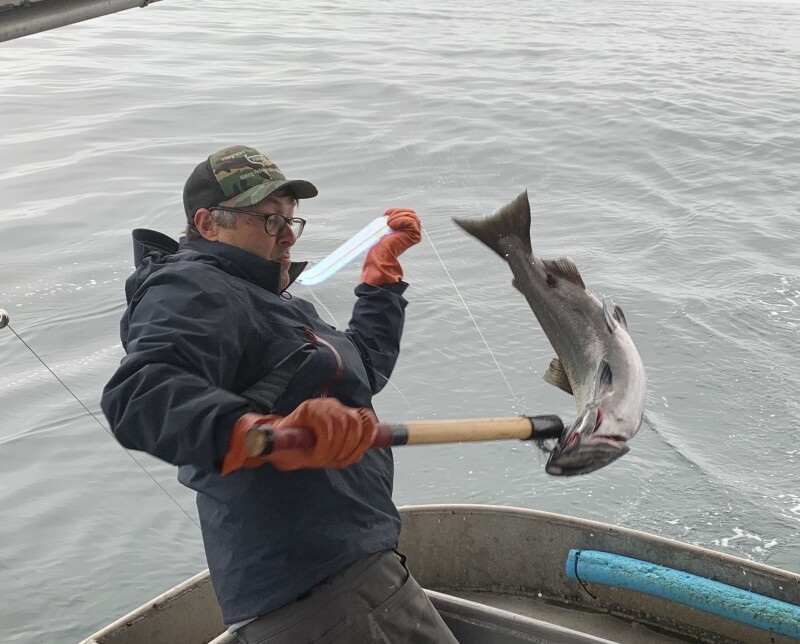
But because the WFC won the earlier case, it sought compensation of $2.3 million for attorney fees and other related costs. The Judge gave them close to $1.7 million. “This appears to be their business model, how they make their money,” says Jeff Farvour, who trolls for salmon from his 40-foot boat, the Apollo.
The Alaska Longline Fishermen's Association and the Alaska Trollers Association, which was an intervenor in the case on the side of the NMFS, produced a 44-page white paper detailing the numerous threats to Chinook. “The genetic testing that the state and the feds do indicates that the amount of chinook salmon we’re landing that come from the runs the orcas feed on is less than .06 percent,” says Farvour. “Stopping our fishery is not going to help the orcas.”
The white paper points out “that many other things are preventing the restoration of the Chinook, like pollution, habitat loss, sea lion predation, dams, and more. “Any of those things on their own can prevent recovery of SRKWs, but we believe it’s a combination of those and other factors,” says Farvour. He argues that the orcas are stunned by heavy noise pollution and sick from pollution. “Numerous studies show that they are one of the most toxin-loaded animals in the sea,” he says.
While the $1.7 million payout to WFC ended one lawsuit, the organization filed another lawsuit against the NMFS on May 8, 2025, related to its January 2024 petition to NMFS list all chinook salmon entering the Gulf of Alaska under the ESA. The May 2025 lawsuit cites that NMFS missed its January 2025 deadline for a decision and seeks to compel the agency to complete its status review of the stocks, which come from all over Alaska, British Columbia, and elsewhere, and make a determination.
“We’re tracking that one closely,” says Farvour. “Due to WFC’s recklessly written petition and lack of factual content, we thought that NMFS should dismiss it, but they’re taking a look at it.”