



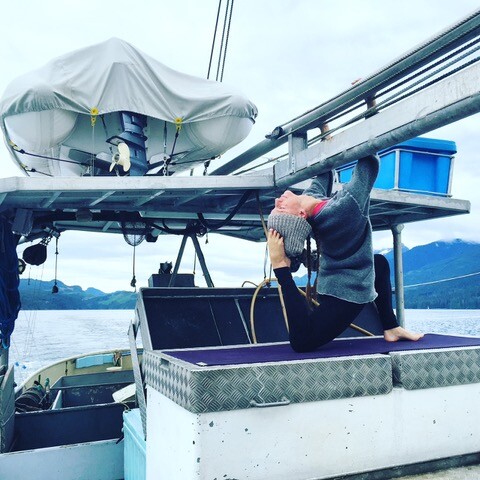
For the most part, fishermen earn a living with their bodies. In many ways they are on a par with professional athletes—minus the multimillion-dollar contracts. But when earning a living depends on maintaining one’s body and top shape, some fishermen are turning to yoga, and Susie Newson of Courtenay, British Columbia, is ready to help.
Key takeaway
Yoga is emerging as a practical wellness tool for commercial fishermen, with simple daily stretching and breathing exercises helping reduce repetitive-use injuries, manage pain, and support longer, healthier careers on the water.
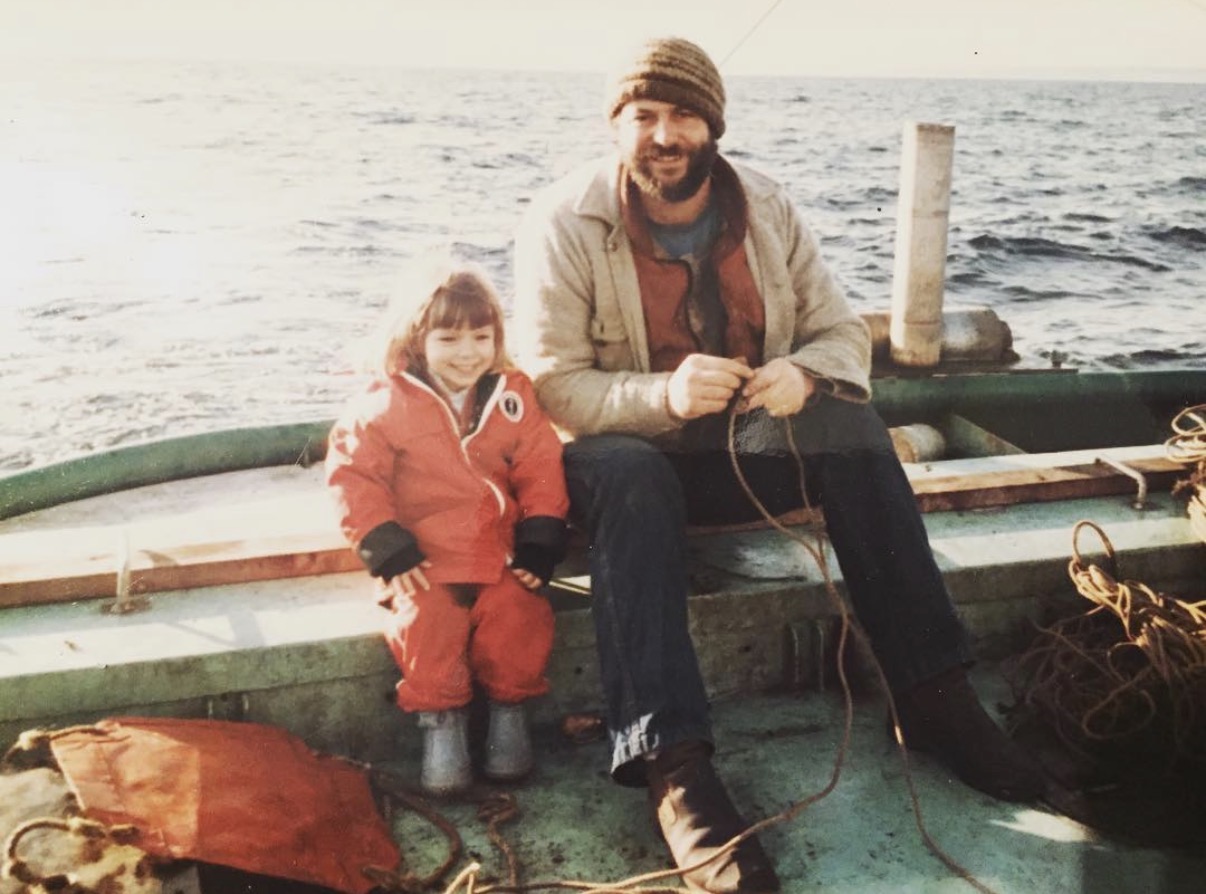
“I grew up on fishing boats,” says Newson, who teaches Yoga at her studio Mocean Yoga and Mocean Yoga on the Dock. “My father was a fisherman, and his father was a fisherman, and my mother, brother, sisters, and I all fished. My father went down with his boat when I was 19. I know the toll, risks and repercussions of the industry.”
Newson also understands the physical problems that the repetitive motions of fishing can lead to. “Carpal tunnel syndrome is common,” she says. “The last time I was fishing salmon was 10 years ago, but when I was on the boat, I managed to get on my mat every day, and when all the boats in our group would be rafted up, I would show the other crew members hand and wrist exercises they could do to avoid carpal. There’s one where you extend your hand away, fingers pointing down and using your other hand, you gently draw your fingers back as far as you can, without pain, and then bend each finger back individually while breathing mindfully. Another one is interlacing fingers, creating a flat plane from wrist to wrist and rolling your wrists in a figure-eight-like action. Making sure to do both ways.”
The exercises sound simple, and Newson emphasizes that they are. “People think that in order to do yoga you need to roll out a mat and spend an hour, but you can do simple exercises for ten minutes a day, and it can make a difference. “If you have a system for self-healing that offers longevity, sustainability and less pain, why wouldn’t you use it? We say we practice yoga now to avoid future suffering. It’s like a self-maintenance system.”
Whether she’s doing ten minutes with her crewmates on deck or in her studio, Newson also connects her students with their breath. “If unconscious breath can keep us alive, imagine what conscious breath can do.” Newson encourages the people she works with—be it students or fishermen on the dock—to notice how they feel after they do yoga. “That feeling provides the motivation to keep going,” she says. “I’ve had people say, I’m too stiff to do yoga. I say that’s like saying you’re too dirty to take a shower. Let’s give it a try!”
A few fishermen show up at Newson’s studio. “They’re a little shy at first, but once one starts doing it and the others see how it’s working for them, then they want to give it a try. Because, of course, if it’s going to help you keep fishing, potentially less pain, and a reduced risk of injury, then why not do it?”
While classes at Newson’s Mocean studio are only accessible to local fishermen, she has some ideas about how to reach a wider audience. “I’d be willing to travel to do workshops,” she says. “And I was wondering about making videos. People could pay to download them and take them out fishing. I’d love to see a crew of New Bedford scallopers doing yoga together on deck.”
.png.small.400x400.png)

