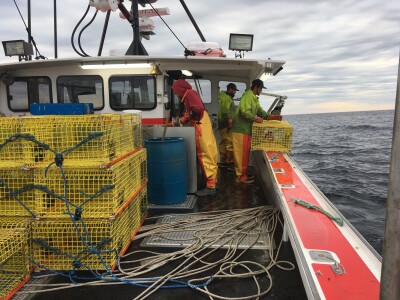
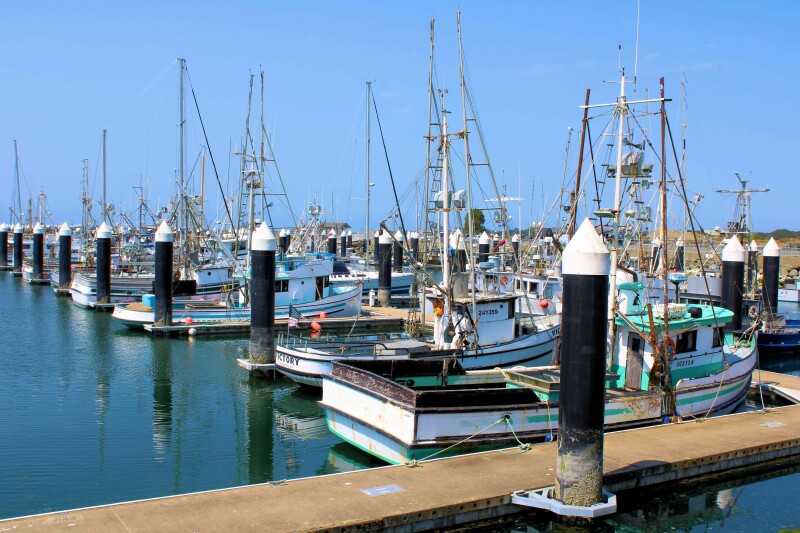
Commercial fishing advocates are welcoming new seafood-related provisions included in Farm Bill language released by the Senate Agriculture Committee, saying the proposal reflects growing recognition of the role fishing communities play in the nation's food system.
The Fishing Communities Coalition (FCC), which represents fishing organizations and coastal communities across the country, applauded the Senate Agriculture Committee's release of Farm Bill text on June 23, highlighting several provisions aimed at improving support for commercial fisheries and seafood businesses.
According to the coalition, one of the most significant measures would expand commercial fishing eligibility for USDA Farm Operating Loans, potentially providing commercial fishermen with greater access to low-cost capital. The provision appears in Section 5216 of the Senate bill language and draw from elements of the American Seafood Competitiveness Act, legislation the FCC helped develop.
The coalition also pointed to language that would establish an Office of Seafood within the federal government, evaluate opportunities to bring more seafood processing capacity back onshore, and increase seafood's visibility within broader national food policy discussions.
"Fishing communities have spent years making the case that seafood belongs in America's food policy conversations," said Noah Oppenheim, coordinator of FCC. "We appreciate Chairman Boozman and Senate Agriculture Committee staff for listening, engaging directly with fishermen from around the country, tackling complex issues, and taking meaningful steps to elevate American commercial fisheries and seafood within the Farm Bill. The bill text released today reflects the growing recognition that fishing communities are an important part of America's food system and deserve a seat at the table in policies that shape its future."
The FCC thanked Senate Agriculture Committee Chairman John Boozman and committee staff for their work on the legislation, as well as lawmakers who have supported efforts to include seafood in federal food policy discussions. The coalition specifically recognized Sens. Lisa Murkowski, R-Alaska, and Angus King, I-Maine, for sponsoring the Alaska Seafood Competitiveness Act, portions of which were incorporated into the Senate Farm Bill language. The group also thanked Sens. Susan Collins, R-Maine, Jeff Merkley, D-Ore., and Dan Sullivan, R-Alaska, for supporting the legislation.
Michelle Stratton, executive director of the Alaska Marine Community Coalition, said the proposal reflects a broader understanding of seafood's role in food security and economic development.
"Fishing communities have long understood that seafood belongs in conversations about food security, nutrition, economic development, and resilient local food systems," said Stratton. "It's encouraging to see that increasingly reflected in federal policy. We appreciate the steadfast support from Alaska's Senators Murkowski and Sullivan, and the many congressional leaders who work alongside them, ensuring that fishing communities have a voice in shaping the future of the U.S. food system."
Industry leaders also emphasized the potential economic impact of including seafood priorities in the Farm Bill.
"Commercial fishing is a small business industry at its core," said Eric Brazer, deputy director of the Gulf of America Reef Fish Shareholders' Alliance. "Fishing businesses, seafood dealers, processors, and working waterfronts all depend on policies that help American seafood compete and reach consumers. Including seafood priorities in the Farm Bill recognizes the economic importance of our industry and creates new opportunities for coastal businesses and communities that rely on commercial fishing."
Ben Martens, executive director of the Maine Coast Fishermen's Association, said seafood has historically been overlooked in federal programs designed to support domestic food production.
"Seafood is one of America's great food resources, yet it has often been overlooked in programs designed to support domestic food production and regional economies," said Martens. "The inclusion of these seafood priorities represents meaningful progress toward better integrating seafood into federal food policy. We are grateful to Senator Collins, Senator King, and their colleagues for helping move these conversations forward."
The Senate proposal follows House Farm Bill action earlier this year that also included several seafood-related priorities, according to the FCC. Coalition members said the legislation signals growing bipartisan recognition of commercial fishing's role in domestic food production, economic development, nutrition and food security.
The Senate bill language marks the latest step in the Farm Bill process. The FCC said it will continue reviewing the legislation and working with congressional offices, coalition partners and stakeholders as negotiations move forward.
The Senate Agriculture Committee Democrats stated, “Senate Agriculture Committee Democrats have been clear that a Farm Bill must meet the needs of both farmers and families across America. This bill does not address the devastating cuts to SNAP or the shift to state taxpayers passed into law as part of HR 1. We appreciate that bipartisan provisions have been included in the discussion draft and stand ready to work with Republicans to negotiate a bipartisan Farm Bill that both meets the moment and can be successful on the Senate Floor.”