


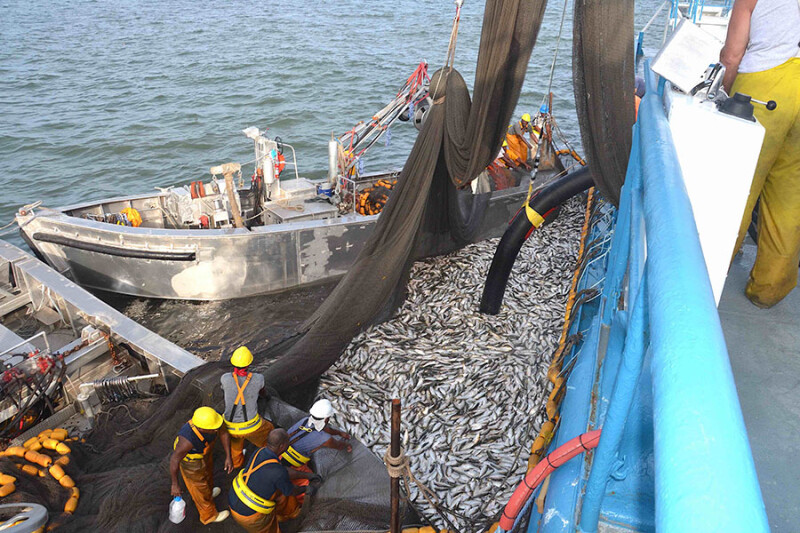
Louisiana has long relied on science to guide its management of natural resources, including energy, agriculture, and fisheries. That approach is now under scrutiny as the Louisiana Wildlife and Fisheries Commission reviews proposed changes to the state’s menhaden buffer zone regulations, according to an article by the Louisiana Commercial Fisheries Coalition, reported by NOLA.com.
For decades, Louisiana's menhaden fishery operated under strict coastal limits and has been continuously monitored and independently assessed. Peer-reviewed stock assessments have consistently found that menhaden are not overfished and that overfishing is not occurring, the article reported.
That began to change in 2021, when the state imposed additional blanket buffer restrictions along the coast. Those measures were designed largely to reduce user conflict with the recreational fishing sector, even though Louisiana-specific data to justify the changes did not yet exist. The result was a one-size-fits-all regulatory approach applied to a highly diverse coastline.
Louisiana’s menhaden fleet consists of just 27 vessels, compared to more than 400,000 licensed saltwater anglers statewide. The expanded buffer zones closed traditional fishing grounds that later scientific analysis showed posed little environmental risk. The closures had real economic consequences for menhaden fishermen, processing plant workers, and the coastal communities that rely on year-round commercial fishing jobs.
IN response, the Louisiana Legislature authorized a $1 million taxpayer-funded bycatch study aimed at replacing assumptions with data. The study, conducted by LGL Ecological Research Associates and overseen by the Gulf States Marine Fisheries Commission, used onboard observers and direct monitoring. According to the Coalition, the findings confirmed that the menhaden fishery is safe, sustainable, and well-managed, with bycatch levels well below the Louisiana statutory cap and no measurable impacts on red drum or speckled trout in the areas studied.
Using the findings, the Commission has advanced a Notice of Intent to revise menhaden buffer regulations with a more targeted science-based framework. Contrary to claims that the proposal weakens protections, the notice would actually increase total protected buffer area statewide by more than four percent, meaning more coastal water would be closed to menhaden fishing than under current rules.
The proposal strengthens protections in some of the state’s most sensitive and heavily used recreational areas, including expanded buffers around the Chandeleur Islands and Isle Dernieres. It also replaces broad distance-based lines with precise GPS-defined boundaries, a change intended to improve enforcement clarity and better reflect actual coastal conditions.
At the same time, the notice restores limited access in a small number of locations where data show minimal environmental risk and little recreational pressure. Even with those refinements, the net result is more protected water than exists today.
Supporters argue the approach improves conservation outcomes while avoiding unnecessary economic harm. By focusing restrictions on areas of highest ecological sensitivity and recreational use, the framework aims to reduce conflict between user groups rather than inflame it.
The proposed rule now moves into the legislative oversight process, where lawmakers will review whether it aligns with statute, science, and legislative intent. As the Coalition noted, the broader question facing legislators is whether independently funded research and verified data will meaningfully guide policy decisions.
Louisiana invested in science to answer difficult questions about menhaden fishing. How lawmakers respond to those findings may signal how much weight evidence carries in future fisheries management decisions and ultimately what guides the state’s coastal policy going forward.