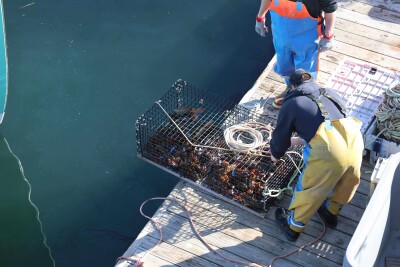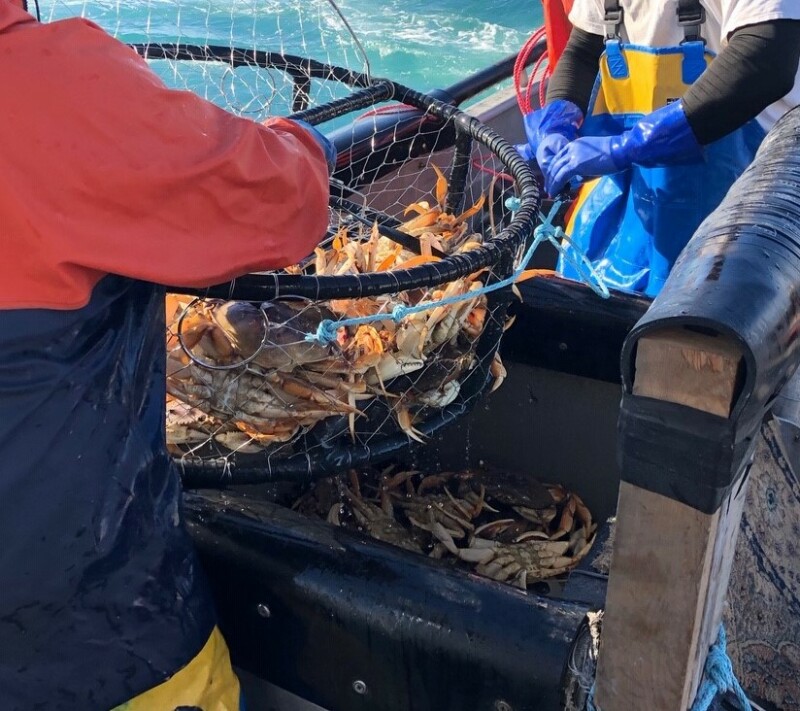
Tensions between recreational, tribal and state commercial Dungeness crabbers in Puget Sound are continuing as fishermen debate harvest allocations, catch reporting and who gets access to the resource first.
According to a report from Cascadia Daily News, much of the frustration centers on recreational catch reporting and the effect those numbers can ultimately have on state commercial fishing opportunities.
Under longstanding treaty rights and court decisions, tribes and nontribal harvesters split the available Dungeness crab harvest 50/50. Washington’s share is then divided between recreational and commercial fisheries.
All three groups are required to report their harvest, but recreational compliance has drawn scrutiny. Only 43 percent of recreational crabbers submitted catch reports in 2024, Cascadia Daily reported.
Josh Chapman, natural resources tribal liaison for the Jamestown S’Klallam Tribe and a tribal commercial crabber, told Cascadia Daily that recreational crabbers face significantly different enforcement standards than commercial fleets.
Commercial catches are monitored on the water and at the dock, and violations can potentially put a commercial fishing license at risk. Commercial fishermen also must document their harvest on fish tickets in order to sell their catch, Chapman said.
Recreational crabbers who fail to report their catch face a $10 penalty if caught.
The reporting gap also complicates management. When recreational harvest goes unreported, managers apply an estimated unreported catch (EUC) to account for additional removals. A 9 percent EUC was used in 2024, while Washington Department of Fish & Wildlife estimates ranging from 12 percent to 22 percent were used during the 2025 season.
That uncertainty can have direct consequences for state commercial crabbers, who are the last group to begin fishing.
“The animosity is because we’re just last,” Brian Allison, president of the Puget Sound Crab Association, told Cascadia Daily.
State commercial fishermen may wait as long as two months for recreational harvest information to be submitted and processed before knowing how much crab remains available to them. Any additional recreational harvest estimated through the EUC can further reduce commercial opportunities.
“We’re trying to make a living at this, so opportunity is everything,” Allison said.
Tribal fisheries generally begin first with short openers starting in July and continuing through the summer, followed by recreational fishing. State commercial crabbers then receive access based on the remaining allocation.
Possible solutions include moving recreational reporting to a more immediate electronic system. Allison told Cascadia Daily that faster reporting could provide managers with more accurate numbers and allow decisions to be made sooner. Commercial fleets already use electronic reporting, while Chapman said tribes are also transitioning toward electronic tickets.
Others are calling for greater enforcement of recreational fisheries to ensure crabbers comply with size, sex, daily-limit and reporting requirements. Despite the longstanding friction, recreational fishing representatives acknowledged that responsibility does not fall entirely on one group.
“We don’t want to admit that we have problems on our side,” Ron Garner, president of the Puget Sound Anglers State Board, said. “We all have problems.”