




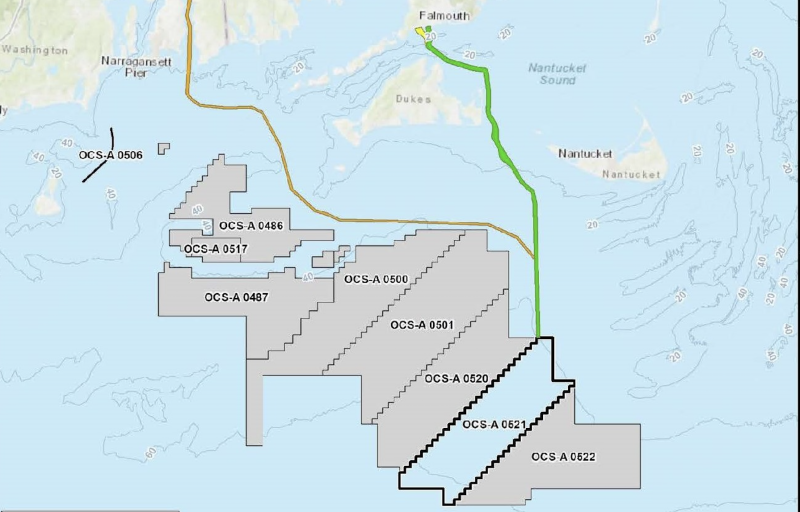
The U.S. Department of Justice filed a motion in federal court to revoke federal approval for the SouthCoast Wind project off Massachusetts. Striking at the planned array of 141 turbines is the latest move by the Trump administration to stamp out surviving renewable energy projects approved during the Biden presidency.
The project with a planned 2.4 gigawatt nameplate rating took four years to complete the permitting process and “could now arbitrarily lose approval for its construction and operations plan,” advocates with the BlueGreen Alliance said. “This is the last major federal permit wind projects need before putting turbines into the water and was awarded to SouthCoast Wind after years of careful review.”
The Sept. 18 court maneuver targeting SouthCoast Wind came on the heels of the Trump administration seeking to revoke permits for the US Wind project off Ocean City, Md. SouthCoast was one of the last acts in the Biden administration’s push to move offshore wind projects forward. Its final permit was issued Jan. 17, three days before Trump’s inauguration and his directive that same day to suspended further action on wind power projects.
As in their other moves to reverse Biden-era approvals, Trump administration lawyers contend those prior deliberations by the Bureau of Ocean Energy Management and other federal agencies overreached federal authority under the 1953 Outer Continental Shelf Lands Act, and failed to adequately consider negative impacts on fishing and other ocean users.
The SouthCoast project “has made more than $670 million in U.S. supply chain investments to date, including port infrastructure, shipbuilding, maritime logistics, and purchased manufactured equipment,” the offshore wind advocacy group Oceantic Network said in a statement protesting the administration action.
“Yesterday’s federal action remanding SouthCoast Wind’s Construction and Operations Plan undermines a critical source of American-made energy at a time when New England needs it most,” said Oceantic CEO Liz Burdock.
“This project has been a catalyst for new economic activity throughout the Northeast – revitalizing Brayton Point; driving activity at the New Bedford Marine Commerce Terminal; and supporting training partnerships with local unions, technical schools, and community colleges,”
according to Burdock. “Halting this project does more than sabotage New England's energy grid - it sets back a nationwide industrial strategy built to create jobs, lower energy costs, and deliver reliable domestic power to American homes and businesses.”
If the project were to proceed, Oceantic says its investments would include “$500 million in U.S. shipbuilding, with U.S. shipbuilder Edison Chouest contracted to build a vessel at its Port Fourchon, La. shipyard, sourcing components from over 25 states including American steel from Nucor's steel mills in Alabama and Kentucky; $300 million in U.S. port infrastructure, with U.S. firms contracted to upgrade existing ports; $600 million in U.S. energy equipment, with U.S. manufacturer GE Vernova contracted to supply high voltage electrical equipment.”

.png.small.400x400.png)
