

The NOAA Fisheries 2026 State of Ecosystem report for New England paints a picture of an ecosystem in transition, with declining seafood production, shifting species distributions, aging fishing fleets and increasing environmental risks creating new challenges for fisheries management across the Gulf of Maine and Georges Bank.
The report stated that total seafood production is declining in both the Gulf of Maine and Georges Bank, driven by reduced landings of several key fish groups. While biomass indices remain stable or are increasing in some cases, NOAA stated the changes point to shifting species composition rather than increases in traditional target species.
Recreational landings have also declined as anglers increasingly practice catch and release, and regulations for large sport fish have become more restrictive as depleted stocks rebuild.
Commercial revenues continue to tell a mixed story. On Georges Bank, total revenue has fallen since 2021, largely because of declining scallop landings, although the 2024 profit index improved over 2023 as operating costs decreased. In the Gulf of Maine, lobster remains the primary driver of fishing revenue, but both lobster prices and landings have declined over the past decade. Revenue from New England Fishery Management Council-managed species, excluding lobster, is now at an all-time low, according to the report.
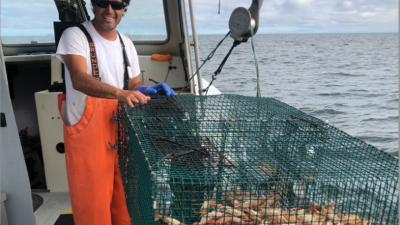
NOAA also highlighted growing concerns about the long-term stability of fisheries in the region. The report noted declining landings, aging crews, fewer new entrants, shrinking fleet numbers and increasing dependence on fewer commercially important species. Productivity of many council-managed stocks has declined even as non-target species and other parts of the ecosystem have increased, signaling broader changes in ecosystem dynamics.
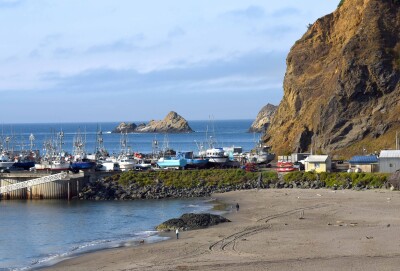
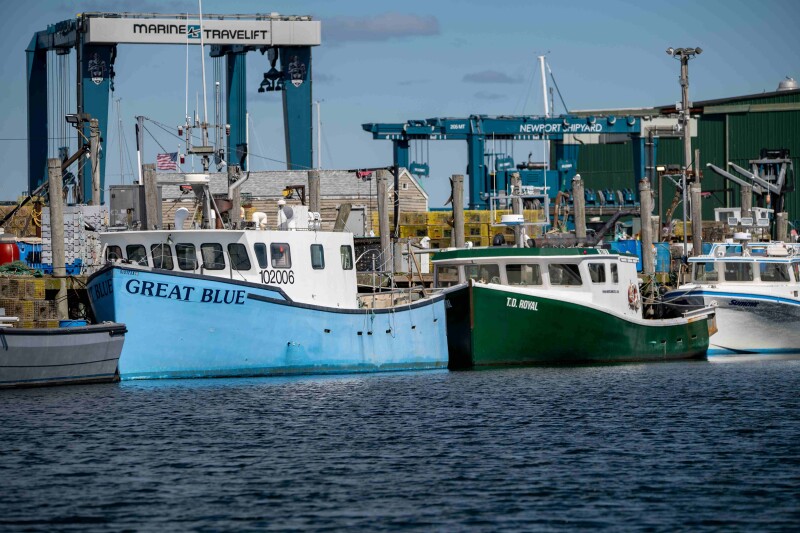
Among New England ports, commercial fishing activity has remained relatively steady since 2007 in most communities. However, NOAA identified declines in New Bedford and Gloucester, Massachusetts, while Friendship, Maine, has seen increased activity. The report also found that more fishing communities are becoming reliant on climate and vulnerable species, reducing their ability to adapt to changing environmental conditions.
The report outlines several emerging risks for fisheries management, including species shifting farther northeast and into deeper water, changing stock productivity, altered spawning and migration timing and offshore wind development. NOAA warns these changes could complicate quota allocations, rebuilding plans, seasonal management measures and fishing operations if management does not keep pace with ecosystem changes.
Looking ahead, NOAA’s 2026 ocean forecast predicts normal to below-average bottom temperatures across much of the Northeast Shelf, although uncertainty remains higher during spring and summer. Fall temperatures are expected to be above average in shallower areas, while decadal forecasts suggest annual bottom temperatures could trend back toward historical averages between 2025 and 2034.
The report also notes that the Northeast experienced colder-than-average ocean temperatures in 2025 despite record global ocean and air temperatures. Fishermen reported unusually high numbers of white marlin, billfish, sand lance, Illex squid, and Atlantic mackerel, along with shifting distributions and unpredictable timing for species including Atlantic mackerel, striped bass, red drum, bluefish, and other gamefish. Some fishermen also reported productive hook-and-line fishing around offshore wind turbines.