Federal enforcement actions have halted millions of pounds of improperly labeled tuna from entering U.S. markets, according to NOAA Fisheries.
NOAA’s Office of Law Enforcement, working alongside its Tuna Tracking and verification Program, concluded two multi-year investigations into seafood importers bringing yellowfin tuna products from Mexico into the United States labeled “dolphin safe” without meeting federal requirements.
In one case, a distributor imported 74 shipments totaling 2.2 million pounds of canned and pouched tuna over an 11-month period. During the investigation, agents intercepted an additional shipment of more than 46,000 cans before it reached before it reached the market, returning the product to Mexico. The company ultimately pulled the product from the shelves and agreed to relabel future imports.
A second investigation found a nationwide retailer imported 29 shipments– about 1.2 million pounds– of similarly mislabeled tuna. The retailer removed the product from sale, blocked transactions, and returned incoming shipments. The company has since cut ties with the supplier responsible and strengthened its import review process.
NOAA’s Office of General Counsel issued a combined $222,902 in civil penalties to the importers. The cases center on misuse of the “dolphin-safe” label, which is regulated under the Dolphin Protection Consumer Information Act and requires strict verification that tuna was harvested without harming dolphins.
The "dolphin-safe" logo increases market appeal and provides assurances to consumers about the source of their seafood. NOAA said, noting that enforcement helps “ensure a level playing field for domestic fisheries and suppliers.”
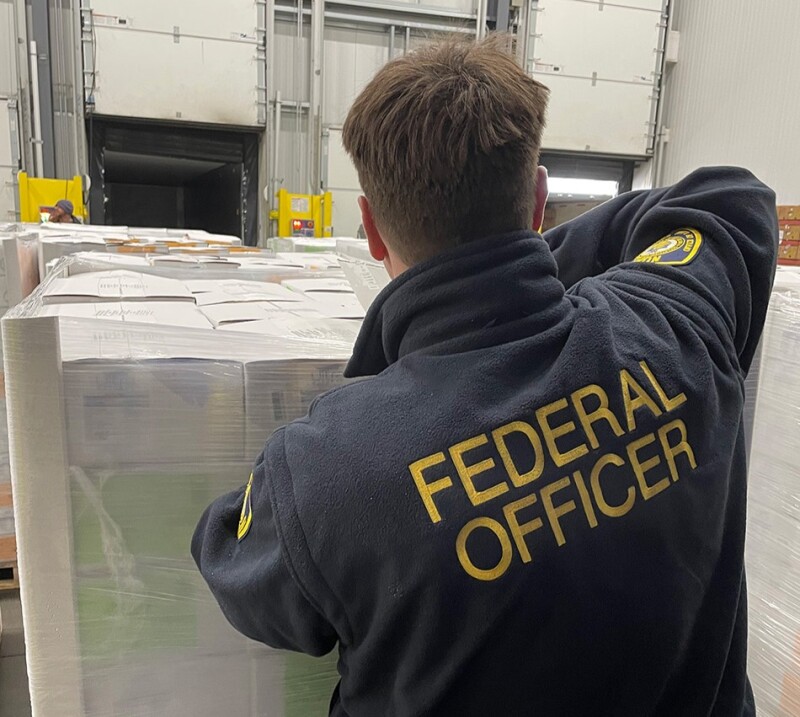
Officials emphasized that monitoring at ports of entry remains critical. “Having a presence at our borders and ports of entry is vital to ensuring seafood enters our country lawfully,” said Paige Casey, acting assistant director, NOAA Fisheries Office of Law Enforcement, Southeast Division.
The cases show the importance of traceability and importer accountability in protecting both consumers and U.S. fishermen from unfair competition tied to mislabeled imports.