

The Atlantic States Marine Fisheries Commission (ASMFC) has delayed action on potential new protections for Atlantic menhaden in the Chesapeake Bay, pushing public consideration of the issue back at least until August.
The Commission had been expected to advance Draft Addendum II to the Interstate Fishery Management Plan for Atlantic menhaden during its recent meeting, opening the proposal for public comment over the summer. Instead, members unanimously voted to postpone action and create a work group to further develop the measure following extensive debate over how to spread the menhaden harvest throughout the fishing season, according to the Chesapeake Bay Foundation (CBF).
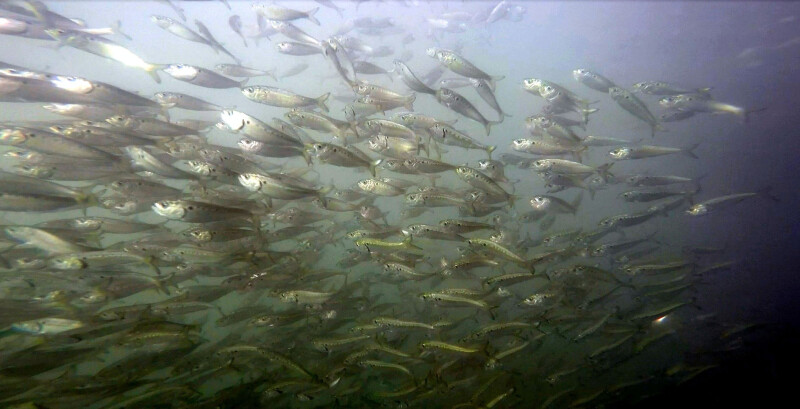
Draft Addendum II outlines potential reforms aimed at addressing concerns over the Bay’s menhaden population and the species’ role in the broader ecosystem. CBF states options under consideration include reducing the Chesapeake Bay reduction fishery cap by as much as 50 percent and implementing seasonal harvest measures intended to distribute industrial fishing effort more evenly throughout the year.
Supporters of the proposed changes argue the measures could help protect predators that rely heavily on menhaden, including osprey, while also supporting smaller-scale Chesapeake watermen who harvest the fish for blue crab bait. CBF pointed to concerns over starving osprey chicks and declining bait catches as warning signs driving the push for additional management action.
CBF forage campaign manager Will Poston issued the following statement: “This is a frustrating delay. Despite this setback, if the ASMFC acts in August it could still put new measures in place by 2027 to protect menhaden. Both ASMFC and Virginia must act without further delay to protect this sensitive estuary, or risk further damage to an ecosystem that so many livelihoods depend on.”
The delay comes as debate over Chesapeake Bay menhaden management continues to intensify. As previously reported by National Fisherman, two analyses submitted to the ASMFC Atlantic Menhaden Management Board by Ocean Harvesters challenged claims that Virginia’s purse seine reduction fishery is preventing menhaden from reaching Maryland pound nets. One statistical review and one oceanographic analysis both concluded there was no evidence supporting the so-called “gauntlet theory,” instead suggesting Maryland pound net declines are more closely tied to environmental conditions and changes in fishing effort. Information and findings from those analyses were sourced from materials submitted by Ocean Harvesters and the Menhaden Fisheries Coalition.
ASMFC’s next opportunity to revisit Draft Addendum II will come during its August meeting, delaying any formal pubic comment period until later this year.