




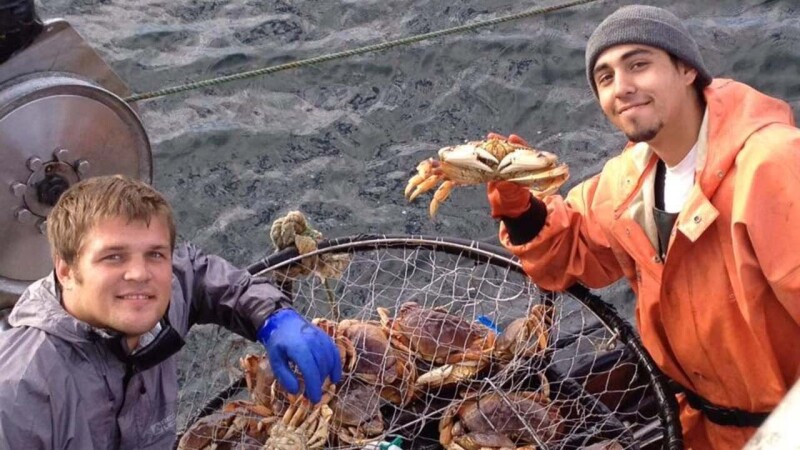
California has extended several key provisions governing its commercial Dungeness crab fishery through 2037, including rules to reduce marine life entanglements, maintain the state’s trap limit program, and allow vessels to transit closed waters under certain conditions.
Senate Bill 1393, which was passed on Sept. 27, extends California’s Dungeness crab risk assessment and mitigation provisions, task force, and related fishery management measures that otherwise were scheduled to expire in 2030.
Under existing law, the California Department of Fish and Wildlife (CDFW), in consultation with the California Dungeness Crab Fishing Gear Working Group and other stakeholders, uses criteria and protocols to evaluate the potential risk of marine life entanglement. The director of CDFW can restrict the take of Dungeness crab based on those protocols.
SB 1393 extends that authority through Jan. 1, 2037.
The legislation also continues the California Dungeness Crab Task Force and the state’s tiered trap limit program. The task force includes 17 voting members representing commercial fishing interests from ports ranging from Crescent City to areas south of Half Moon Bay, along with representatives from processing, sport fishing, and other sectors.
Under the trap limit system, California permits are divided among seven tiers, ranging from a maximum allocation of 500 trap tags for the highest-producing permits to 175 tags for permits in the lowest tier. The bill extends those provisions through 2037.
One change could give crabbers greater flexibility when navigating fishery closures. SB 1393 allows vessels carrying Dungeness crab traps and crab onboard to transit waters closed under the state’s entanglement risk program, provided several conditions are met.
A vessel owner or operator must notify CDFW at least 72 hours before entering the closed area and provide information including the vessel name and permit number, operator contact information, landing port, and intended transit period. Vessels must maintain continuous transit, carry an operational electronic monitoring system, and secure traps so they cannot be used, including removing bait.
The legislation defines continuous transit as traveling as close as practicable to a direct route without stopping or delaying and maintaining a speed greater than 3 knots.
SB 1393 also continues California’s lost and abandoned Dungeness crab trap retrieval program through 2037. The program allows permitted participants to retrieve another fisherman’s traps during the closed season and during certain other closures authorized by the state.
Funding provisions for the Dungeness Crab Task Force were also extended. Beginning in fiscal year 2027 and every two years afterward through fiscal year 2037, remaining money in the Dungeness Crab Account may, subject to legislative appropriation and reserve requirements, be provided to the Pacific States Marine Fisheries Commission. The task force will be required to develop an annual spending plan beginning by Dec. 31, 2027.
The broader bill also extends California’s steelhead trout fishing report-restoration card program through 2031 and establishes a late or nonreturn fee for anglers who fail to return their cards.
.jpg.small.400x400.jpg)
