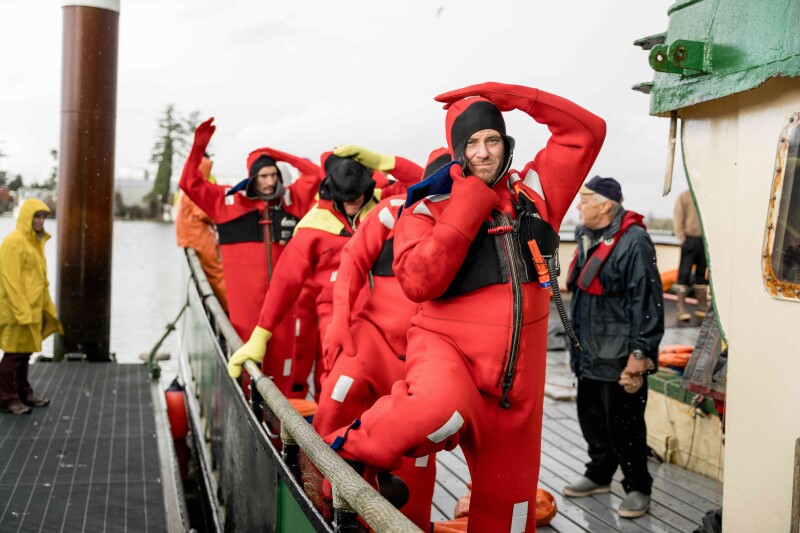
Fishermen train in survival suits during an exercise with the Alaska Marine Safety and Education Association, now at risk from federal budget cuts. Since AMSEA began safety training in 1985 fishing fatalities are more than 80 percent lower. AMSEA photo.
Key Takeaways
The America First Seafood Strategy put forth in President Trump’s “Restoring America’s Seafood Competitiveness” executive order offers a promising vision for the economic resurgence of our fisheries, but first we must prioritize the wellbeing of the very people who can make that vision a reality: our commercial fishermen.
For 40 years, NIOSH's targeted prevention efforts have succeeded in dramatically improving the safety record of one of the nation's most dangerous occupations. The data speaks for itself: Commercial fishing fatalities have been slashed by more than 80 percent since these initiatives began.
This isn't just a matter of saving lives; it's a sound investment as well as a Coast Guard requirement for many fisheries in order to leave the dock. For every dollar spent on NIOSH's work, the return is millions in saved costs — from preventing expensive Coast Guard rescue operations to reduced burdens on the healthcare and insurance systems (not to mention our families and communities) for work-related injuries and deaths.
This success is largely the result of the Fishing Safety Research Grant Program, a collaborative effort between NIOSH and the U.S. Coast Guard. Despite receiving no dedicated funding to administer it, NIOSH has diligently overseen this program, demonstrating an unwavering commitment to the safety of our fishermen.
Through this and the NIOSH Training Project Grant Program, an average of 179 hands-on safety trainings are conducted annually from coast to coast, equipping nearly 2,500 fishermen with crucial skills in emergency response, vessel stability, first aid, injury prevention, navigation, and even opioid overdose response. Furthermore, critical research funded through these grants is tackling issues like sleep deprivation, healthcare access for fishing communities, and innovative technologies to reduce vessel icing.
The decision to eliminate funding for this vital program comes at a precarious time for the fishing industry. As commercial fishing families, we witness firsthand the growing pressures our fishermen face.
Shifting regulations, labor shortages, rising operational costs, and extreme weather events are compounding the inherent dangers of the profession. These conditions can force difficult choices, including cutting corners on safety, fishing with inadequate crews or alone, and battling treacherous seas while exhausted. We believe the health and well-being of our fishermen is just as important as the health of our fish stocks.
The gutting of NIOSH's maritime safety and health program, which saw a staggering 92 percent of its workforce eliminated, including dedicated advocates like Dr. Jennifer Lincoln, sends a chilling message. Slashing the very programs that have proven so effective in saving lives and preventing injuries undermines the long-term sustainability of the fishing industry.
We urge the administration and HHS to reconsider these cuts. To achieve a healthier American workforce and a thriving domestic seafood industry, we must:
Reinstate the terminated HHS employees who have the expertise and dedication to understand and serve the unique needs of the commercial fishing industry.
Provide the necessary infrastructure and funding to ensure the continuity of these lifesaving research and training programs, including at least $6 million for the Commercial Fishing Safety Research & Training Program.
Investing in the health and safety of our fishermen is not merely an act of compassion; it is a fiscally responsible and economically sound decision. Restoring the NIOSH Center for Maritime Safety and Health and its funding is essential to ensuring that our fishermen can harvest the bounty of our seas, return home safely, and continue to contribute to a healthy America for generations to come.
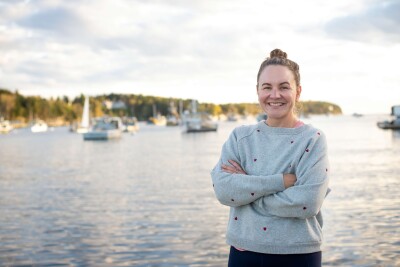
Monique Coombs is the director of Community Programs for the Maine Coast Fishermen's Association, where she leads the Fishermen Wellness and Working Waterfront programs. Monique is married to a commercial fisherman, has two kids who fish, and lives on Orr’s Island, Maine.
Lauren Howard is the policy coordinator for the Alaska Longline Fishermen's Association and the Alaska Sustainable Fisheries Trust, based in Sitka. Her family owns and operates the F/V Norfjord.
Monique Coombs is the director of Community Programs for the Maine Coast Fishermen's Association.Lauren Howard is the policy coordinator for the Alaska Longline Fishermen's Association and the Alaska Sustainable Fisheries Trust.
Have you listened to this article via the audio player?
If so, send us your feedback around what we can do to improve this feature or further develop it. If not, check it out and let us know what you think via email or on social media.