

News of the Trump administration imposing a 25 percent tariff on shrimp imported from India thrilled American shrimp fishermen, who for years have struggled with domestic U.S. markets inundated with cheap frozen product from South Asia.
“Indian shrimp imports have devastated the U.S. commercial shrimp industry,” John Williams, executive director of the Southern Shrimp Alliance, said this week. “President Trump’s announcement of significant additional tariffs on imports from India offers a vital lifeline to shrimpers across the Gulf of America and South Atlantic that allows them to go back to work, harvesting a wholesome, nutritious product for American families.”
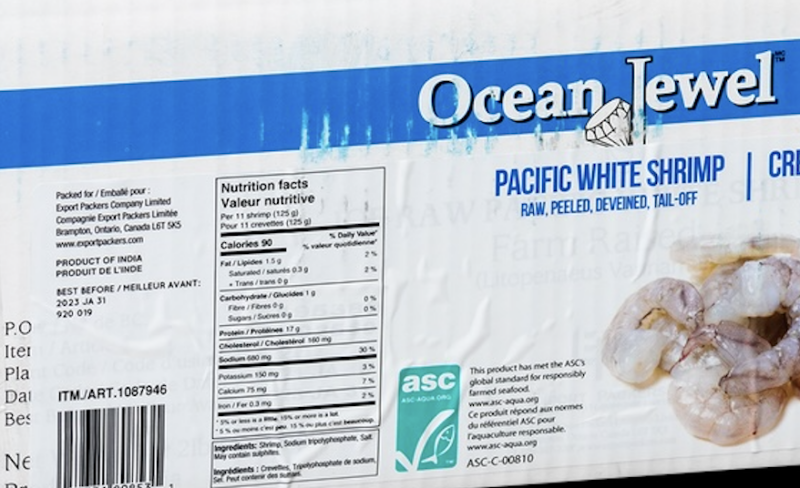
India has long been the single largest supplier of foreign shrimp to the U.S. market, accounting for over 37 percent of the total volume of shrimp imports since 2017, according to the shrimp alliance, which tallied 2024 imports from India at $2.3 billion worth of Indian-origin shrimp.
Easy availability of Indian product – from retail-level consumer packaging to restaurant trade – and wide price differences with U.S. fresh and frozen shrimp has helped it grow to dominate in U.S. discount box-store chains.
“The large flood of farm-raised Indian shrimp into the U.S. market has undermined dockside prices for American shrimpers with devastating consequences, forcing hundreds of family-owned shrimp boats to remain tied to the dock,” according to the Southern Shrimp Alliance. Despite wholesale shrimp prices falling to record lows, retail prices have remained historically high since the pandemic, according to the alliance and industry analysts.
The new India tariffs came a week after new trade deals with Indonesia, setting a 19% tariff, and Vietnam with a 20 percent tariff, moves that U.S. shrimpers hope will help level the field for them in the market.
“Combined, these three countries accounted for roughly two-thirds of the volume (64.7 percent) of U.S. shrimp imports last year, with India at 38.4 percent, Indonesia at 17.4 percent, and Vietnam at 8.9 percent,” according to the alliance. “These tariffs will be imposed in addition to existing antidumping and countervailing duties applied to Indian and Vietnamese shrimp and antidumping duties applied to Indonesian shrimp.”
“For decades, we’ve made it difficult for our fishermen to operate while foreign suppliers, who aren’t held to the same high standards, enjoyed unfettered access to American consumers,” said Williams. “Most seafood importers, retailers, and restaurants went after the cheapest possible supply they could find, increasing their margins no matter how unethically this seafood was produced or brought to market.”