

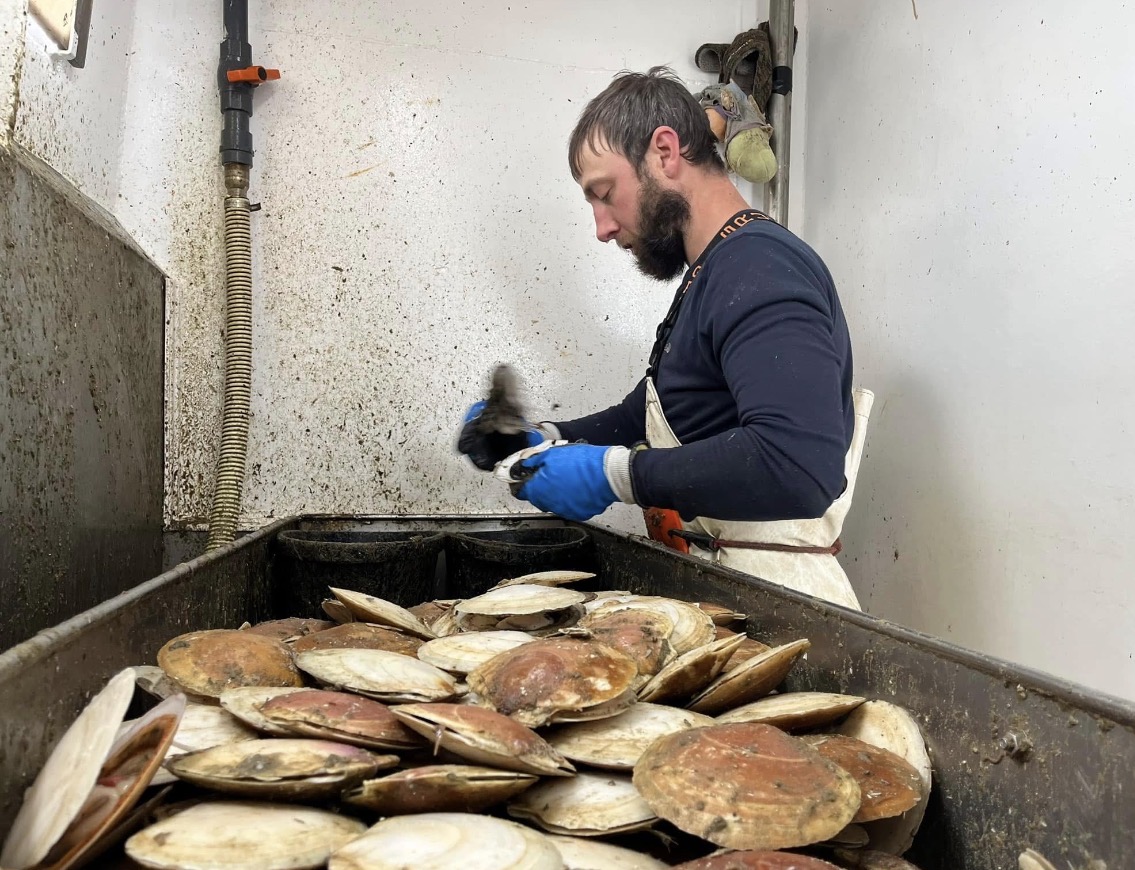
While marine diesel is often dyed red, many fishermen are singing the diesel blues as prices have topped $5.00 per gallon in many states. “Last week we were in the mid $4.00 range,” says Dan Eilertsen, who owns a fleet of scallop draggers fishing out of New Bedford, Massachusetts. “But our high was $5.30 a month ago. I heard the price was going down this week.”
For now, Eilertsen is letting the skippers of his vessels decide how to manage the rising cost of fishing. “Fortunately, catches are up, and scallop prices are ok, so the bottom line works even with higher fuel costs,” he says. “My captains are doing the math. Is it better to tow less and save fuel by loading up on smaller scallops that are lower price, which allows them to lay and cut? Or do they tow continuously for larger, more expensive scallops but pay more for fuel?”
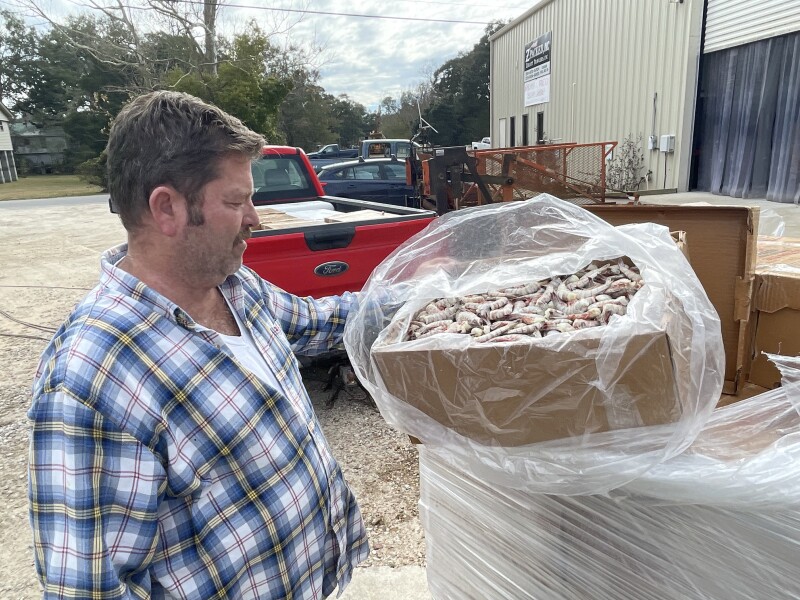
For Jeremy Zirlott of Bayou la Batre, Alabama, fueling his three shrimp boats has put him in a tough spot. “The highest I paid was $4.32,” says Zirlot. “It pulled back to $3.75 last week but shot right back up again. My boat averages 10,000 gallons per month. That’s a $20,000 or more per month increase in fuel costs since the Iran war started. And we were struggling then.”
Zirlott notes that he is trying to push his wholesale prices up and pass that on to the boats. “And I’m preaching to my captains about fuel efficiency,” he says. “Getting them to tweak the gear in order to fish the bottom a little lighter, and tow a little slower.”
By giving his boats a better price, Zirlott is trying to keep them profitable. “Less running around the Gulf, looking for big licks,” he says. “Just settle in and work. But if shrimp prices pull back, as typically happens in May and June, we will be dead in the water.”
Gulf Coast fishermen are seeing a lot of fluctuations in the price of diesel, though not as bad as in New England and other coastal states. According to Frank Rose, owner and operations manager of Rose Marine in Gloucester, Massachusetts, some fisheries are more vulnerable to rising fuel costs than others. “For lobstermen and gillnetters, it’s another gut punch,” says Rose. “But they can slow down. For scallopers and draggers, they need a lot of horsepower, and they have to burn that fuel.”
Selling fuel is a major part of Rose’s business. He points out that the ups and downs of the Iran war lead to daily shifts in the price. “The price isn’t the cost of what’s in the tanks right now,” he says. “It’s tied to the NYMEX [the New York Mercantile Exchange], and that’s based on what they think they will have to pay in the future. The price adjusts daily. Around the middle of the day, depending on what happens or what the President does or says. We never know.”