After nearly a century off the water, fish traps are back on the Columbia River – this time as part of a closely watched experiment that could reshape how salmon are harvested in the Pacific Northwest.
According to Smithsonian Magazine, Washington and Oregon authorized three commercial fish traps in 2025, marking the first time the gear has been used commercially on the river in almost 100 years. The goal: determine whether traps can compete economically with gillnets while reducing impact on threatened salmon stocks.
The timing comes as the fisheries face long-term declines. Historic salmon runs once reached an estimated 20 million fish annually, but by the late 1970s had dropped by nearly 97 percent. Today, about one million salmon and steelhead remain, with 17 populations listed as threatened or endangered.
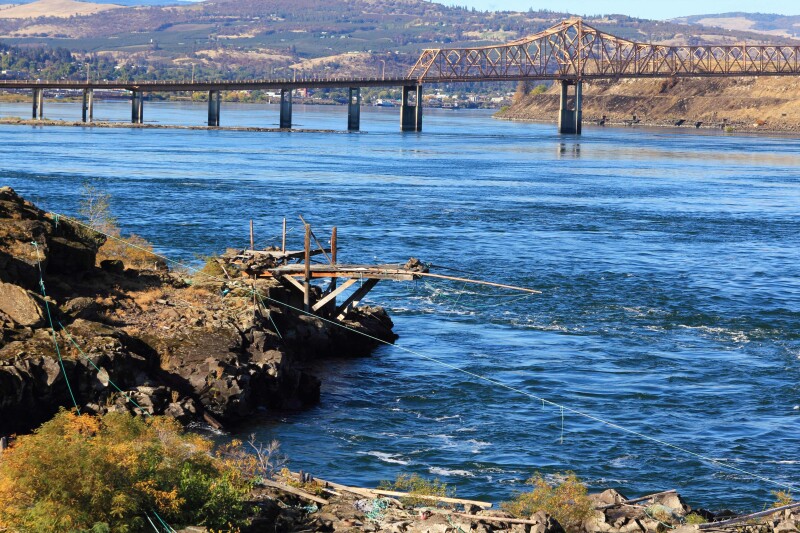
Fish traps are nothing new to the Columbia. Indigenous communities used weir-style traps for thousands of years to selectively harvest fish. But industrial-scale traps introduced in the 1800s created tension across the fleet. At their peak, roughly 400 traps operated on the river, with some capable of catching up to 73 tons of salmon in a season, the Smithsonian reported.
Now, the modern version is being tested as a more selective tool. Fish are held alive, allowing fishermen to sort and release non-target species, with research showing post-release survival rates above 91 percent.
Still, the question for fishermen remains whether the gear can compete. Early trial earnings have been modest compared to those of traditional gillnet fisheries, and concerns about cost, access, and limited quotas have reignited tensions.
Read the full article published by Smithsonian Magazine.