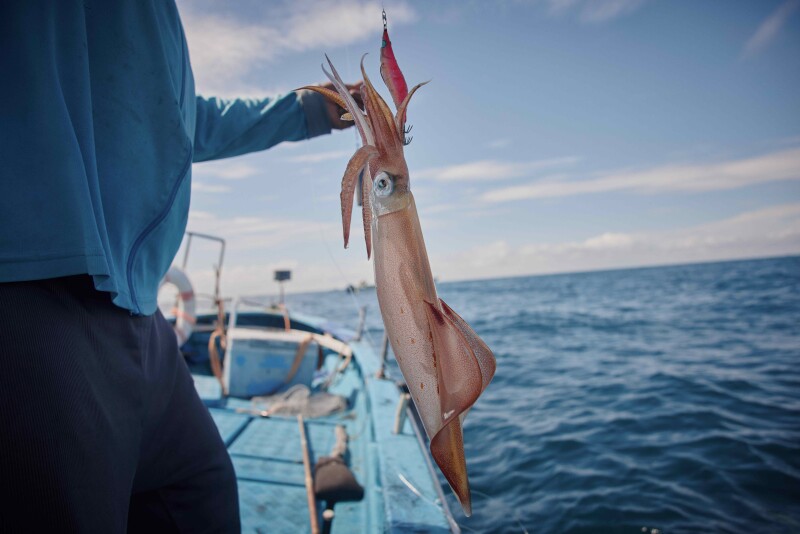
Federal regulators are proposing an update to the definition of “shellfish” that could clarify how species such as squid and octopus are treated under wildlife trade regulations.
On March 6, the U.S. Fish and Wildlife Service (FWS) released a proposed rule that would amend its regulatory definition of shellfish by removing the phrase “having a shell” and expanding the definition to include additional species.
Under the current rule, shellfish are defined as aquatic invertebrates “having a shell.” While cephalopods- including squid, cuttlefish, octopus, and nautilus or mollusks, many of them have reduced internal shells or none at all. The wording has created confusion about whether those species qualify as shellfish for the purposes of wildlife importation, exportation, inspection, and enforcement.
According to the agency, that ambiguity has led to inconsistent treatment of mollusks and related products at U.S. ports of entry, creating uncertainty for seafood businesses and regulators alike.
The U.S. Small Business Administration Office of Advocacy flagged the issue in an Oct. 2025 letter, noting that the lack of clarity has created unnecessary costs and compliance burdens for small businesses in the fishing and seafood industries.
By updating the definition, FWS says the proposed rule would help modernize regulations, reduce compliance costs, and create more consistent inspection and enforcement decisions. The change could also prevent unnecessary permitting or documentation requirements caused by misclassification or certain mollusk species.
Public comments on the proposed rule are open through April 6.