

Harvesting of the 2026 run of Bristol Bay salmon, forecast to top 32 million fish, doesn't begin until June 1, but marketing efforts of the celebrated sockeyes are already underway.
"We're encouraging harvesters to focus on quality, consistency, and clearly communicating the value of their produce and their fishing stories in marketing messaging," said Lilani Dunn, executive director of the Bristol Bay Regional Seafood Development Association (BBRSDA), in an announcement on April 17. "Demand for Bristol Bay sockeye remains strong, and consumers continue to recognize it as a premium product."
Portions and fillets are generally the most successful formats for direct marketers, Dunn said. "They align well with consumer preferences for convenience, portion control, and ease of preparation. Value-added meal solutions are also being well received and overcoming the barrier of intimidation that seafood can have with consumers."
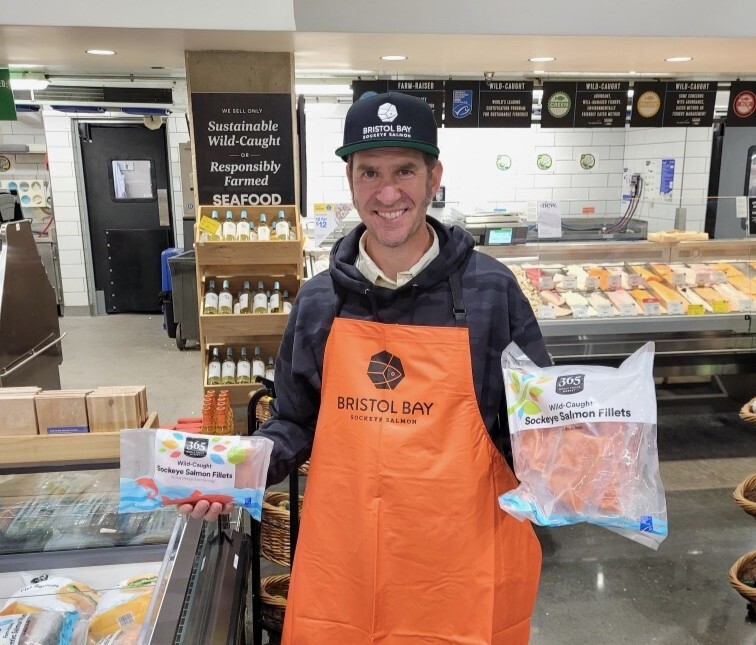
The BBRSDA is also continuing to explore and expand retail and foodservice partnerships, and in-store demos, particularly around National Seafood Month, are very much aligned with our strategy, she said. "Having Bristol Bay fishermen engage directly with shoppers and conducting restaurant trainings is one of the most effective ways to share the story behind the product.
"We expect solid demand around key grilling holidays for our season it'd be late summer and into Labor Day," she said. "Sockeye performs well as a premium grilling option, and current retail signals suggest pricing for high-quality frozen portions varies on what sales channel."
Everyday retail prices are currently running at from $15-$25 a pound and club pricing from $13 to $15 a pound, while premium fresh/branded portions sell for $20 to $30 a pound, she said.
Harvesters preparing for the 2026 season meanwhile are continuing to face elevated operating cost. "While it varies by operation, many are seeing overall increases in the mid-single digits compared to last year. Fuel, freight, labor, maintenance, and (boat) financing remain the primary cost drivers," she said.
Beginning on April 14, the BBRSDA began reminding some 1,600 drift gillnetter crews that training is available now to help them get the message to shoppers about the nutritional value and versatility of their catch on restaurant menus nationwide.