

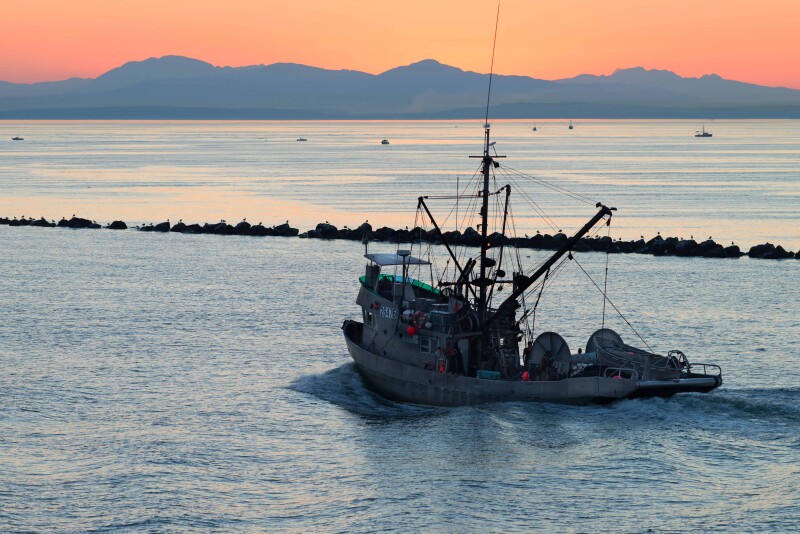
After three years of shutdown, California’s commercial salmon fleet is set to return to the water in 2026, as improving stock conditions open the door to a limited but meaningful comeback.
According to the California Department of Fish and Wildlife (CDFW), rebounds in key runs–Sacramento River fall run Chinook and Klamath River fall-run Chinook– have made it possible to resume ocean salmon fishing on the commercial side while also expanding access for recreational fishermen.
“Seeing our salmon populations recover is incredibly heartening and demonstrates what’s possible when we all work together -- state and federal partners, tribes, sport anglers and commercial fishing interests, NGOs and others – to do what’s best for salmon,” said CDFW Director Meghan Hertel. “Salmon are part of the cultural fabric of California, and I’m delighted more Californians will have the opportunity to enjoy these magnificent fish whether that’s in the water, on the end of their fishing lines or on their dinner plates.”
The reopening follows a difficult stretch for the West Coast salmon industry. California’s ocean salmon fisheries were fully closed in 2023 and 2024, with only a brief, six-day season allowed in 2025. For many commercial fishermen, the back-to-back closures marked one of the most challenging periods in recent memory, cutting off a cornerstone fishery tied closely to both coastal economies and fishing heritage.
The 2026 season structure was shaped by recommendations from the Pacific Fishery Management Council (PFMC), finalized during its April 7-12 meeting in Portland, Ore. Those recommendations will now move to the National Marine Fisheries Service (NMFS) for implementation into federal regulations.
While the reopening signals process, managers are taking a cautious approach to ensure the recovery holds. CDFW will introduce vessel-based trip limits and seasonal harvest guidelines for the commercial fleet. This will mark the first time these tools will be applied in the California ocean salmon fishery.
“The health of our salmon populations fluctuates with environmental conditions, and we’ve seen just how vulnerable these fish are to recent droughts, changing river conditions and a warming climate,” said California Natural Resources secretary Wade Crowfoot. “This year’s return of ocean salmon fishing is an encouraging sign as we advance California’s long-term, science-based Salmon Strategy. Together with a range of partners, we’re restoring habitat, removing barriers, improving flow and reconnecting rivers to give salmon a better chance to survive in all conditions. This work is about balance -- making improvements and modernizing water management to help nature thrive and our communities prosper.”