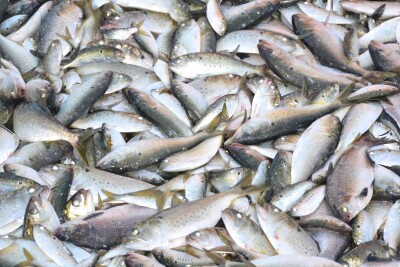
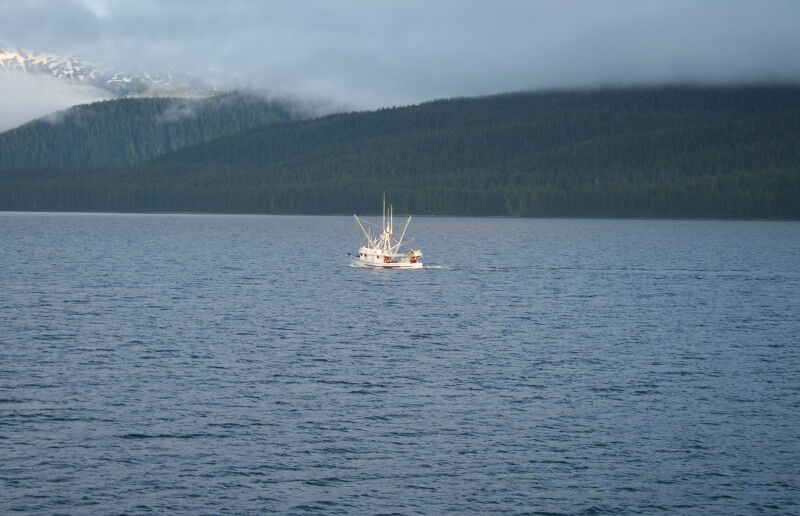
Commercial harvests of Alaska's 2026 salmon reached an estimated 3.3 million fish by June 22, with the catch increasing in Prince William Sound, Bristol Bay, the Kenai Peninsula, and Kodiak.
Costco warehouses in Anchorage still had fresh Copper River sockeye fillets for sale at $14.95 a pound, while other retailers, including Pike Place Fish Market in Seattle, were offering red salmon fillets from elsewhere in Alaska and the Pacific Northwest.
Pike Place listed sockeye fillets for $34.99 a pound and whole sockeyes for $124.95.
The online seafood market FishEx in Anchorage had premium portions of fresh king and sockeye salmon for $149.95 a pound, but was also offering sockeye portions from the past season for $29.95 a pound.
Elsewhere in Anchorage, sockeye prices per pound ranged from $16.95 at 10th & M Seafoods and Fred Meyer supermarkets to $20.99 at Carrs-Safeway.
Online Alaska salmon prices also varied, from $29.50 a pound from Pure Food Fish Market in Seattle to two pounds for $198 from Alaska Salmon Company in Cordova, the latter with free shipping.
The statewide preliminary harvest through June 22 was posted at 3.3 million salmon, including in excess of 2 million sockeye, 862,000 pink, 399,000 chum, and 29,000 Chinook. Through statistical week 25, harvesters had achieved roughly 35% of the projected 2026 harvest, McKinley Research Group noted in its weekly report for the Alaska Seafood Marketing Institute (ASMI).
The overall Bristol Bay forecast of 45.32 million fish is below the 10-year average of 61 million but above the long-term average of 37.4 million fish.
As of June 22, harvesters in the Egegik District of Bristol Bay had a catch of 132,000 red salmon, while the Ugashik District had delivered 128,000 fish.
Chinook bycatch regulations have delayed the start of the Nushagak District harvest.
The sockeye harvest alone stood at 636,000 fish, including 260,000 from Bristol Bay, 332,000 from Prince William Sound, and 44,000 from Kodiak. Sockeyes currently account for 62% of the cumulative statewide harvest, mostly from the Alaska Peninsula.
The ASMI report also noted that Alaska Peninsula pink and keta harvests in the Area M region have increased significantly from 2025, with the Unimak District being credited with the entirety of the current Alaska pink salmon harvest.
The statewide 2026 commercial salmon forecast is projected to total 135.5 million fish, a 36% decline from the 194.8 million landed in 2025. The drop is largely driven by the expected cyclical downturn in wild pink salmon runs, although total catches remain 21% higher than 2024, the most recent even-numbered year.