

Environmental threats posed by harmful algal blooms (HAB) and marine disasters are on tap for keynote addresses for the 2026 Alaska Marine Science Symposium in Anchorage, Jan 26-30.
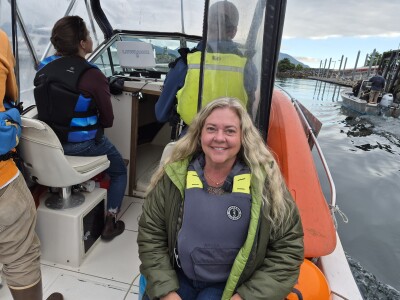
Marine ecologist Thomas Farrugia, coordinator for the Alaska Harmful Algal Bloom Network at the Alaska Ocean Observing System in Anchorage, and Rosie Masui, outreach and engagement lead for the network at Kachemak Bay National Estuarine Research Reserve in Homer, are to present on the HAB event and how the response was shaped to the HAB event in Kachemak Bay in the summer of 2025.
That response was a collaborative effort of state and federal agencies, tribal partners, academic institutions, and non-profit organizations.
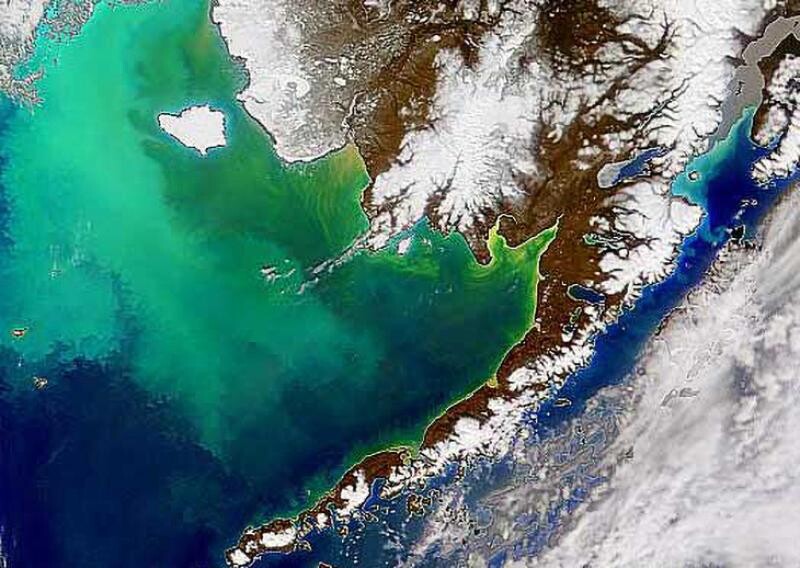
HABs can kill fish through toxins that damage organs and clog gills, or by creating hypoxic "dead zones" when the algae die and decompose, depleting oxygen. Fish can suffer gill damage, neurological issues, organ failure, or mass mortality, impacting both wild and farmed populations, disrupting food webs, and causing severe economic losses for fisheries and tourism.
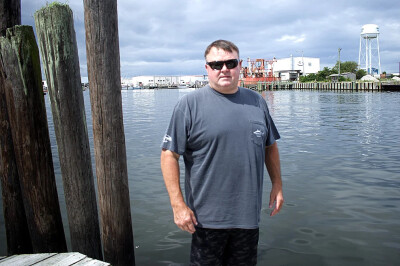
Retired U.S. Coast Guard Captain Steve White, executive director of the Marine Exchange of Alaska (MXAK), is to present efforts to prevent maritime disasters through the MXAK's maritime safety network. MXAK is responsible for installing and maintaining over 60 weather stations, as well as developing the state's comprehensive vessel tracking system with over 150 Automatic Identification System (AIS) receivers positioned across the state.
Presentations on fish, fish habitat, climate, and oceanography by researchers and graduate students are on the agenda for the Arctic Ocean, Gulf of Alaska, and Bering Sea/Aleutian Islands plenary sessions for Jan. 26-28.
Fisheries topics listed range from implications of shifting Arctic fish diversity patterns and random mating of Pacific halibut in the northeast Pacific Ocean to the first-generation fitness consequences of hatchery-origin strays in Prince William Sound, the impact of anthropogenic climate and oil stressors on survival of juvenile Arctic cod, and the collapse of Eastern Bering Sea snow crab during a marine heatwave.
Register online in advance at https://www.alaskamarinescience.org